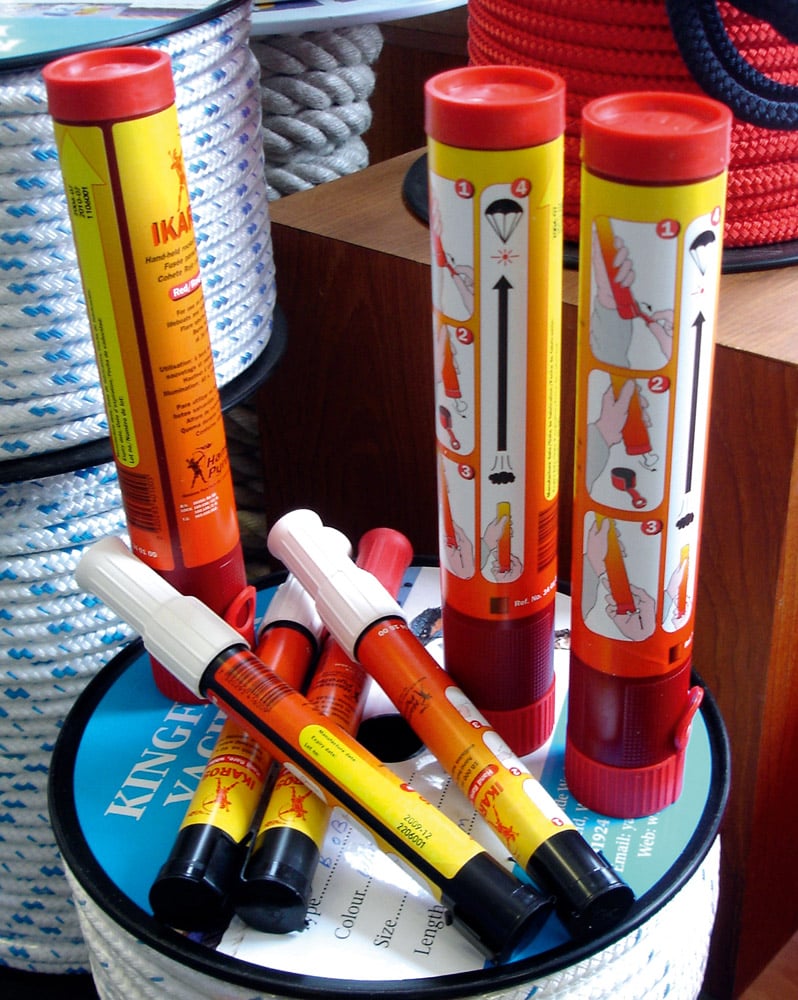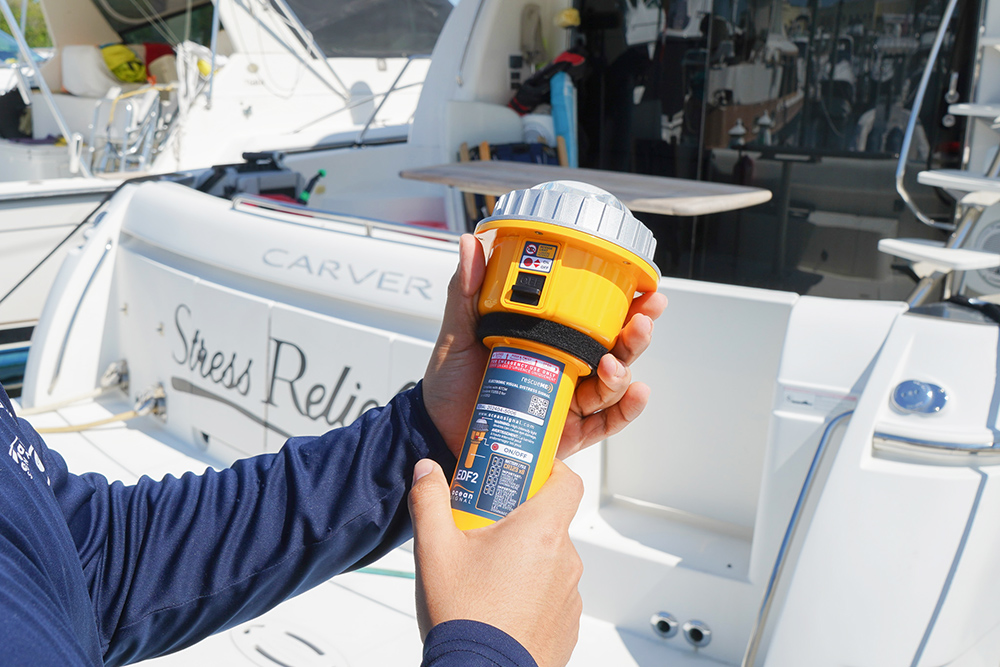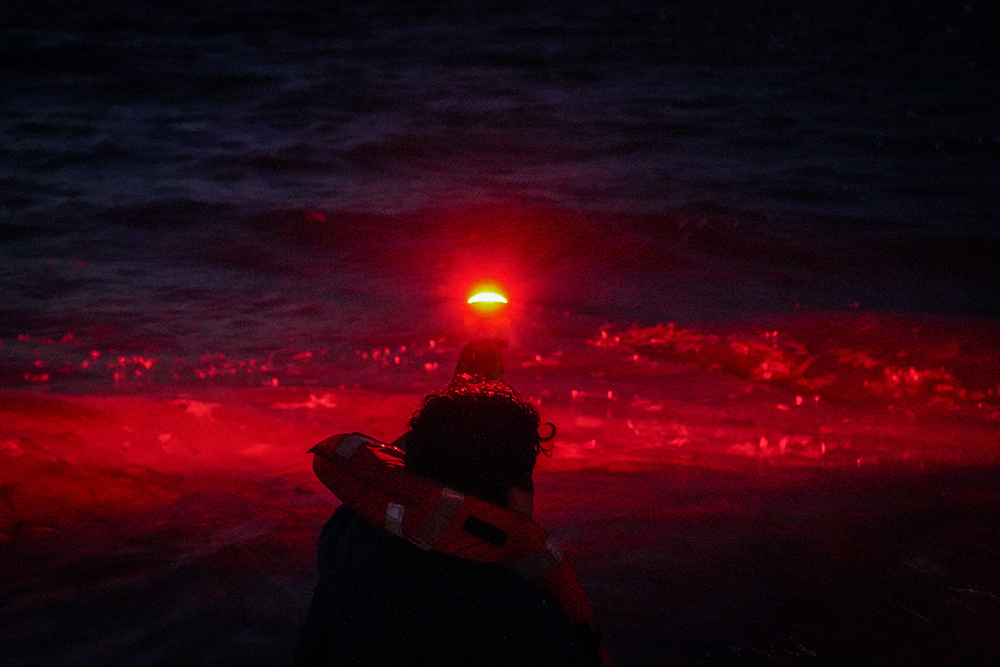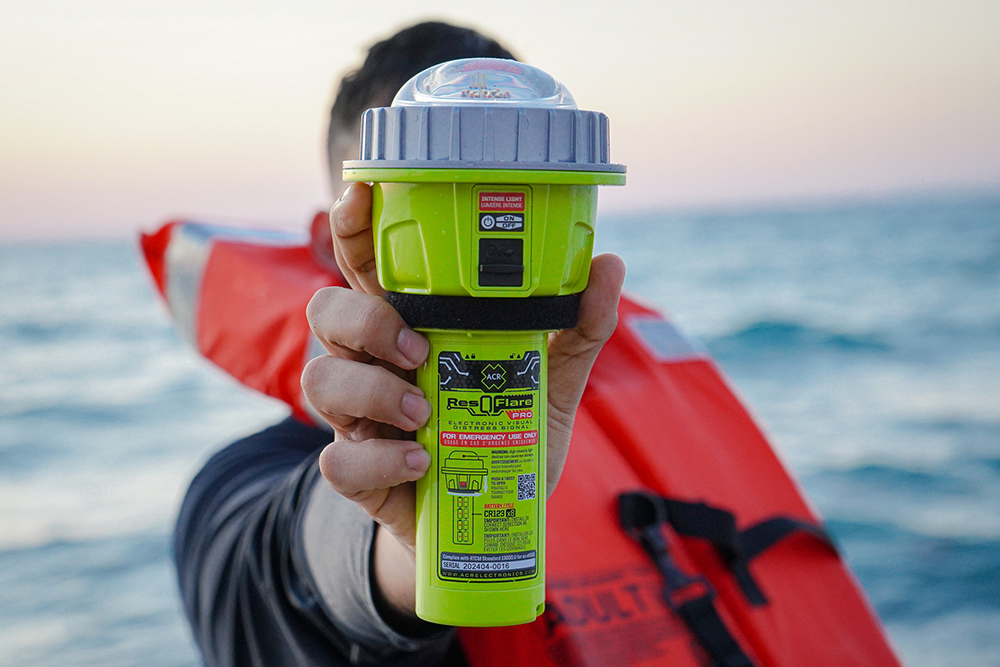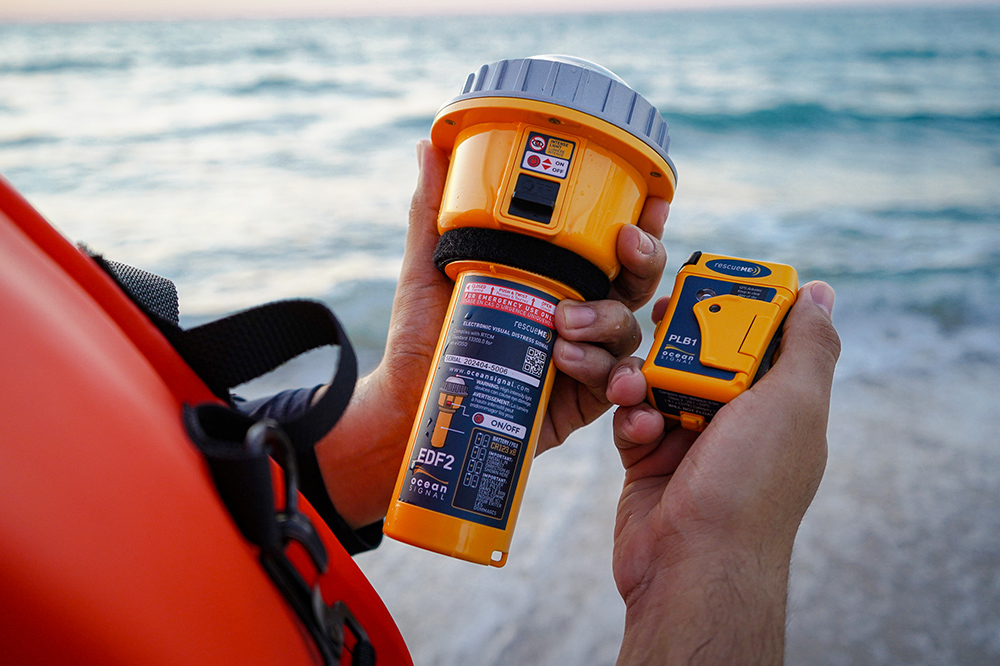

Pyrotechnic boat flares belong to a bygone era, when fire and smoke were the simplest way to attract attention. Nowadays, safety and environmental factors call for a change.
The safety issue
First, the safety issue is critical. The misuse, mishandling or accidental ignition of flares can have serious consequences, resulting in injury or damage to the vessel. On New Year’s Day in 2023, a Dutch sailor tragically died after setting off a flare. Additionally, flares are one-shot devices. With no way of testing, the user just has to hope that when activated, potentially a few years after purchase, they work as expected.
Toxicity concerns
Toxicity must also be considered. Most red handheld and rocket flares rely on strontium nitrate and similar chemicals that are both toxic and environmentally persistent. These chemicals present a health hazard to users and nearby people. The smoke can be full of fine particulate matter that can be inhaled into the lungs, while also irritating eyes, nose and throat.
Disposal of flares
Disposal is a serious problem. Once expired – usually after three years – they cannot be tossed in the bin or recycled. Instead, they become hazardous waste and a risk to the environment. Coastguards and police forces across Europe and the UK have been overwhelmed by the demand for safe flare disposal, with many mariners resorting to hoarding old flares in sheds or, worse, illegally dumping them.
Reliability issues
In terms of reliability, the fact is that pyrotechnic flares can fail. They can get damp, be damaged in storage, or simply not ignite when needed, or, worse still, in rare cases explode when ignited. Even when they function correctly, their window of effectiveness is fleeting, with a red handheld burning for about a minute. A rocket flare launches skyward, blazes for about 40 seconds, and then is gone.
Transportation and storage challenges
Finally, there is transportation and storage. Flares for a boat contain explosives and are therefore classified as Class 1 dangerous goods which means shipping and transportation is difficult and expensive. The same rules and regulations apply to time-expired flares. Flare canisters clutter lockers and demand careful storage away from damp conditions and potential heat sources.