Clipper Marine private yacht showcase at Swanwick Marina
Clipper Marine will host an invitation-led private yacht showcase at Swanwick Marina from 18th to 27th September, giving clients time…
Advertisement
Edited March 25, 2024

Content by Powerboat & RIB
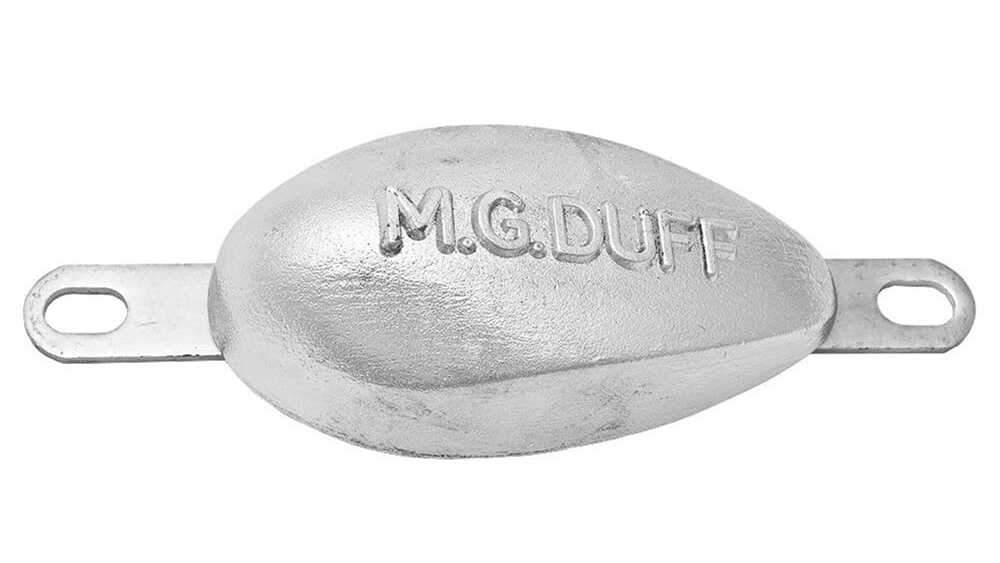
The Clean Harbours Partnership has been looking at the release of metals, particularly Copper and Zinc, by recreational vessels into the marine environment. In 2020, the Institute of Marine Sciences at Portsmouth University calculated that approximately 900 tonnes of Zinc is released into UK coastal and inland waters by recreational vessels in an average year.
“The problem is metals do not degrade. They accumulate in the ocean and in sediment on the sea bed, where organisms at all levels in the food chain ingest them. Zinc anodes also contain Cadmium, which is harmful to marine life, whereas Aluminium does not,” explains James Collings Wells of the Clean Harbours Partnership. “Whilst Aluminium anodes are being used by some of the UK’s major boat manufacturers, evidently they are not being used widely enough. We are urging boat builders and boaters across the UK to switch to using Aluminium anodes.”
As well as being more environmentally friendly, aluminium anodes are lighter and longer lasting too. Clean Harbours Partnership advise that when changing from Zinc to Aluminium alloy, all external anodes should be replaced at the same time. However, this does not apply to zinc anodes in the engine water cooling system, if the two bodies of water are separate.
If an anode is eroding more quickly than expected, it’s worth looking for an electrical problem causing stray current. Addressing this would reduce the amount of metal shed by the anodes into the environment. Prolonged connection to shore power without a galvanic isolator can have the same effect.

This content was created by the Powerboat & RIB editorial team.
Advertisement
Clipper Marine will host an invitation-led private yacht showcase at Swanwick Marina from 18th to 27th September, giving clients time…
Bellini Yacht’s new Astor 38 brings more space, extra comfort and wider engine choice to the expanding Astor range.
Windermere’s third sustainable race day introduced a new national class and underlined growing momentum behind lower-carbon powerboat racing.
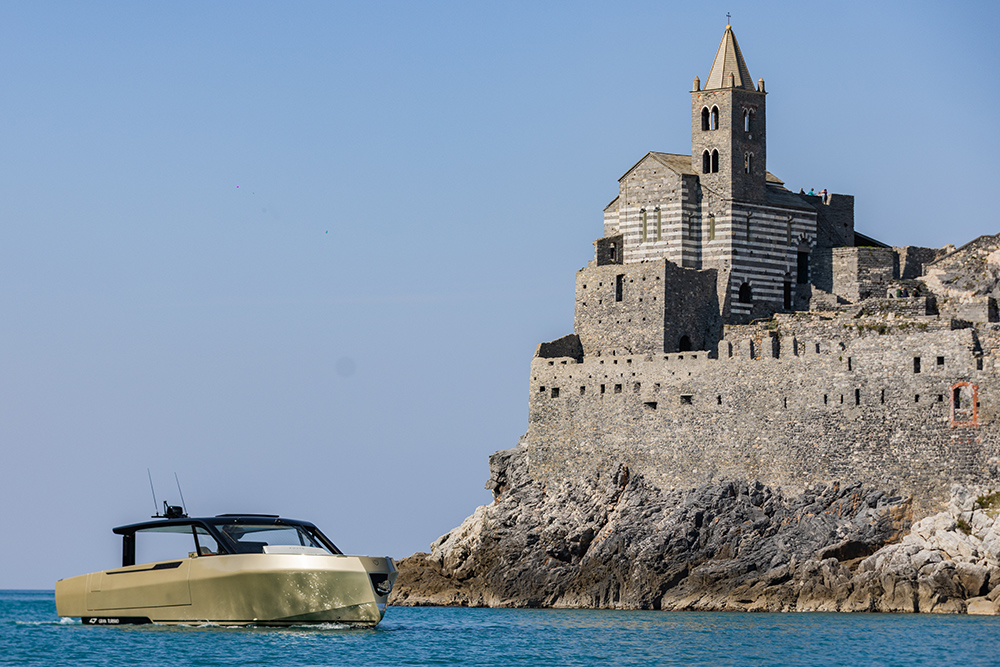
Forte Yachts’ debut 47-footer pairs 47-knot performance with expansive outdoor living and a rare two-cabin, two-bathroom layout.