
Do I need a 4×4 to launch a boat on a slipway?
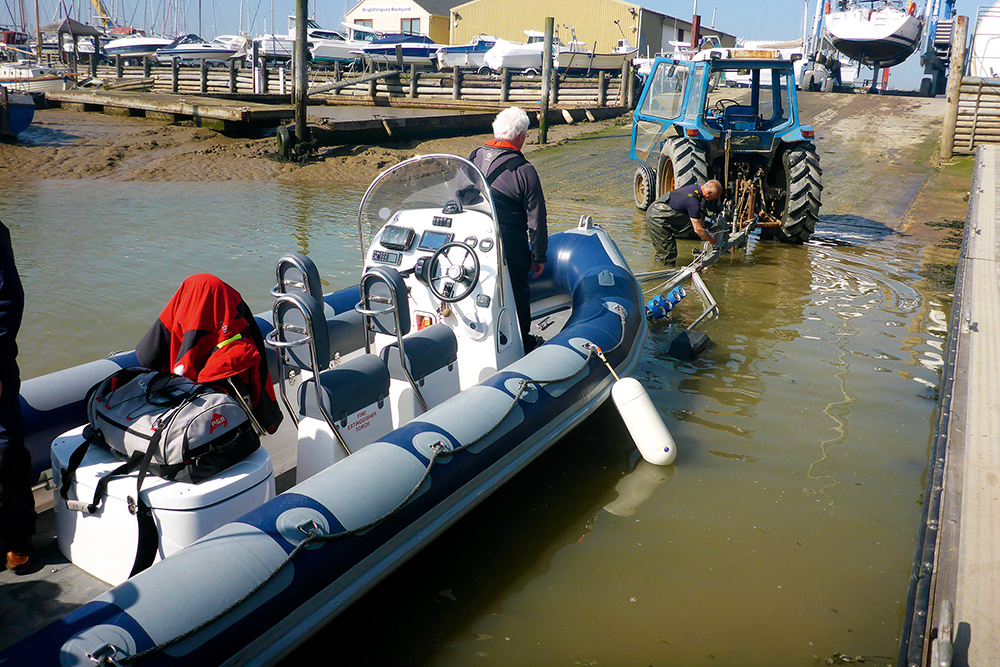
Not always. Many lighter boats and trailers can be launched safely with a front-wheel-drive car on a good slipway with reasonable gradient and grip. However, for heavier boats, steep slipways, weed-covered concrete or soft surfaces, a 4×4 provides extra traction and greater safety margins.
How deep should I reverse the trailer into the water?
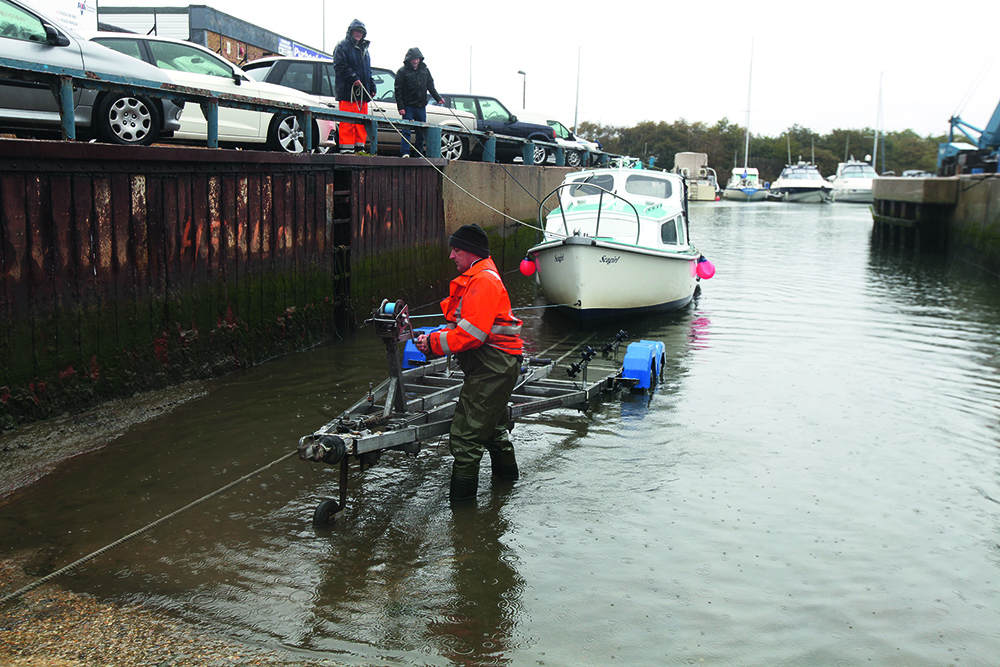
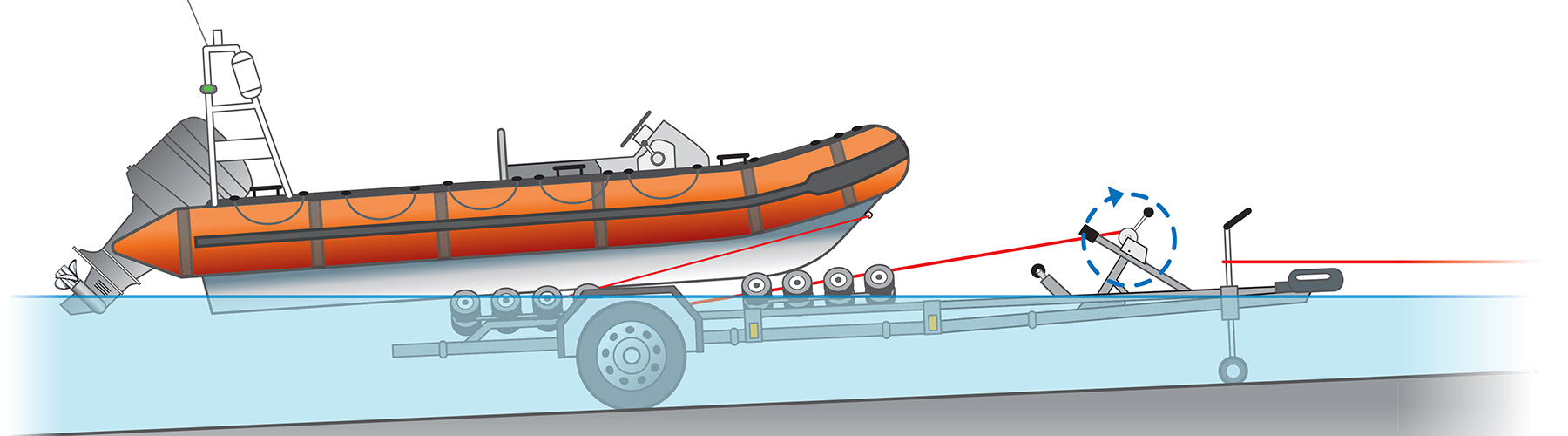
Ideally, just deep enough for the stern to float so the boat can slide or be eased off without forcing it. If the trailer is too shallow, the boat will not release easily; too deep and the vehicle may lose traction or flood exhaust components.
Is it better to drive the boat onto the trailer or winch it on?
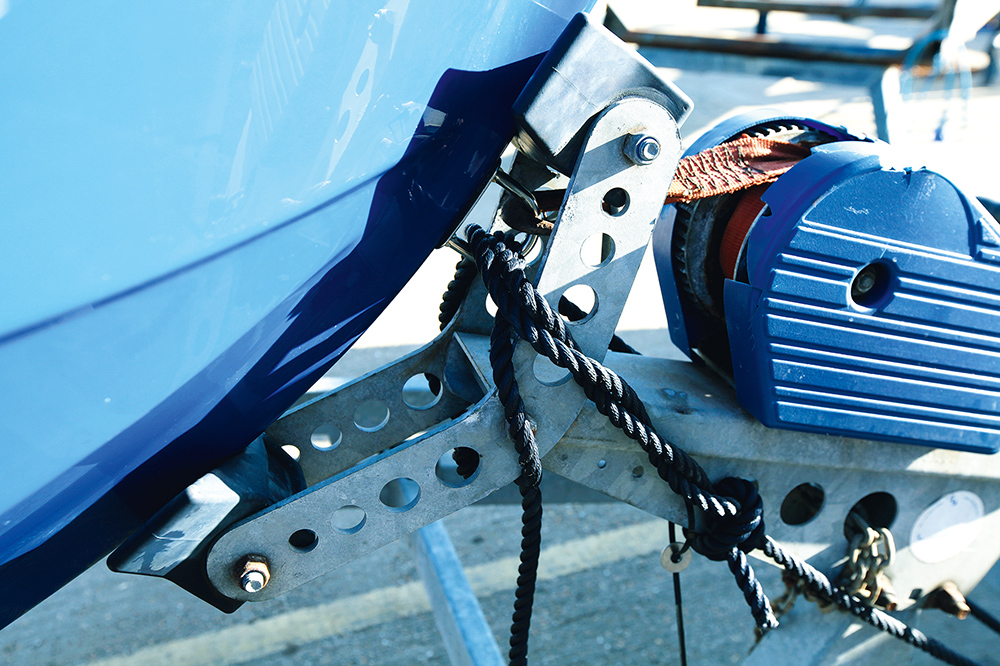
Driving on can be fine in calm conditions on well-set trailers, but gentle throttle only. Avoid powering hard onto the trailer as this can damage rollers, bunks and slipway surfaces. In rougher conditions or on shallow slipways, winching on is often safer and more controlled.
What should I do if the slipway is busy?
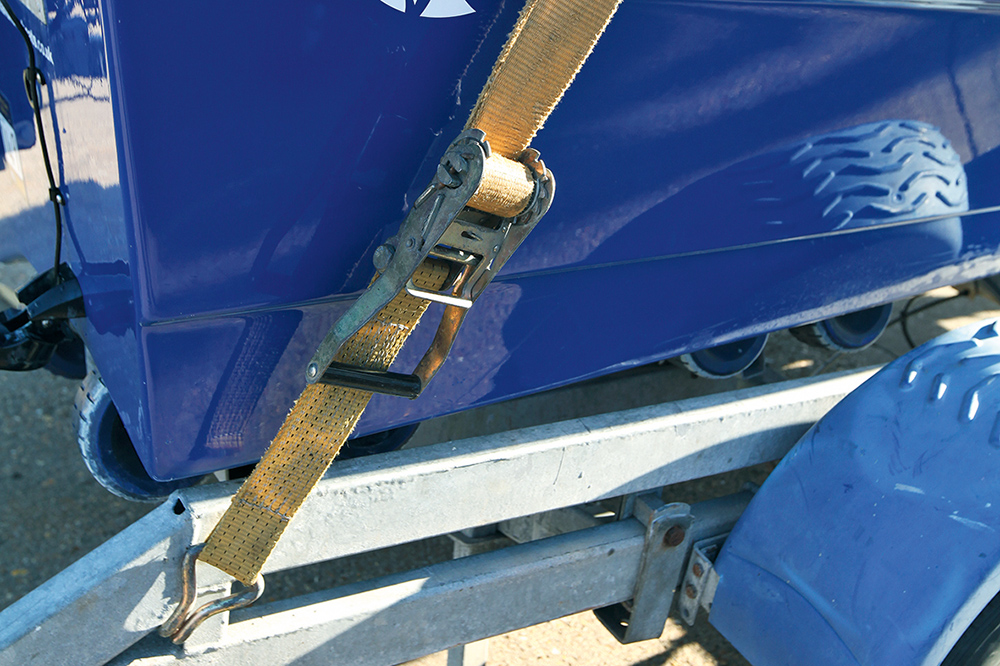
Prepare everything away from the ramp so you can launch and recover efficiently. Have lines ready, bungs in, straps off and crew briefed before reversing down. Courtesy and speed (without rushing) help keep everyone safe and avoid frustration.
How often should trailer bearings be checked or replaced?
Bearings should be inspected regularly and greased frequently, especially if they are submerged in salt water. Many experienced trailer boaters replace bearings annually or carry spare sets, as bearing failure is one of the most common causes of roadside breakdowns.
Can I launch or recover alone?
It is possible with the right setup and experience, but risks are higher. Whenever possible, having another person to handle lines, watch wheel positions and help guide the boat reduces the chance of accidents and makes the process less stressful.
What are the most common mistakes when launching or recovering?
Common issues include forgetting the bung, not removing straps, reversing too far, failing to chock wheels when using a line, and rushing the process. Most incidents happen when people feel pressured or skip checks.