
Holyhead to Dublin by RIB: an Irish Sea crossing to the River Liffey

A small-boat adventure from Holyhead to Dún Laoghaire and Dublin sees two RIB crews tackle open-water planning, VTS navigation, changing conditions and a memorable River Liffey arrival. Jonathon Peers tells the story.
22 May

Edited May 22, 2026

Powerboat and RIB

Content by Jonathan Peers

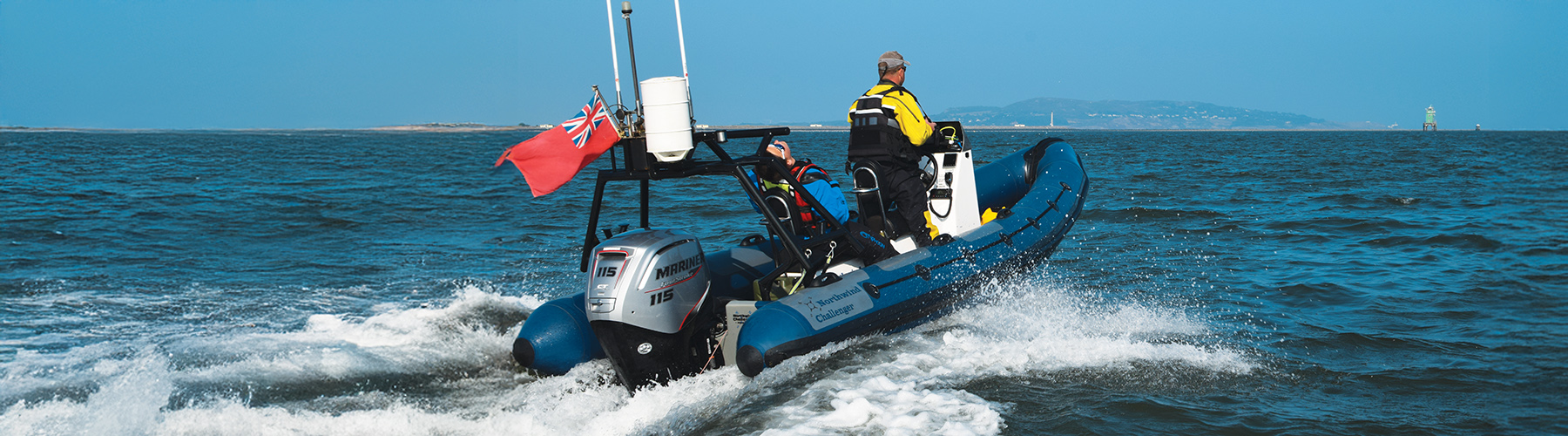
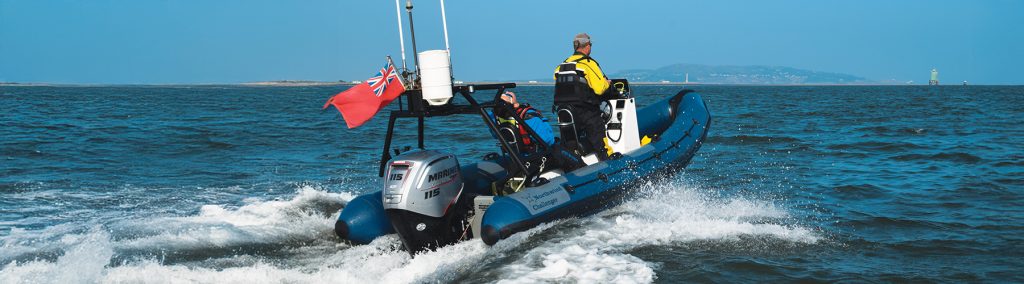
RIB crossing the Irish Sea from Holyhead to Dublin, with Kish Bank Lighthouse visible on the horizon

Share this Article

Holyhead to Dublin by RIB: setting the ambition

Last year, after twenty-five years of boating I finally achieved my goal of making the crossing from Holyhead, Anglesey to the Isle of Man. This I thought would be enough to scratch the exploration itch and leave me content to stay in local waters. My good friend and cruising buddy Anthony soon convinced me otherwise and our sights were quickly set on Ireland.

Having taken advantage of a Stena Line offer a few years previous, we had been day trippers to Dublin together – walking along the banks of the River Liffey thinking to ourselves how fun it would be to see the city from the water – a notion that would resurface countless times in conversation as time went on. So, there it was, our destination chosen based on an idea we had during a walk to a pub!
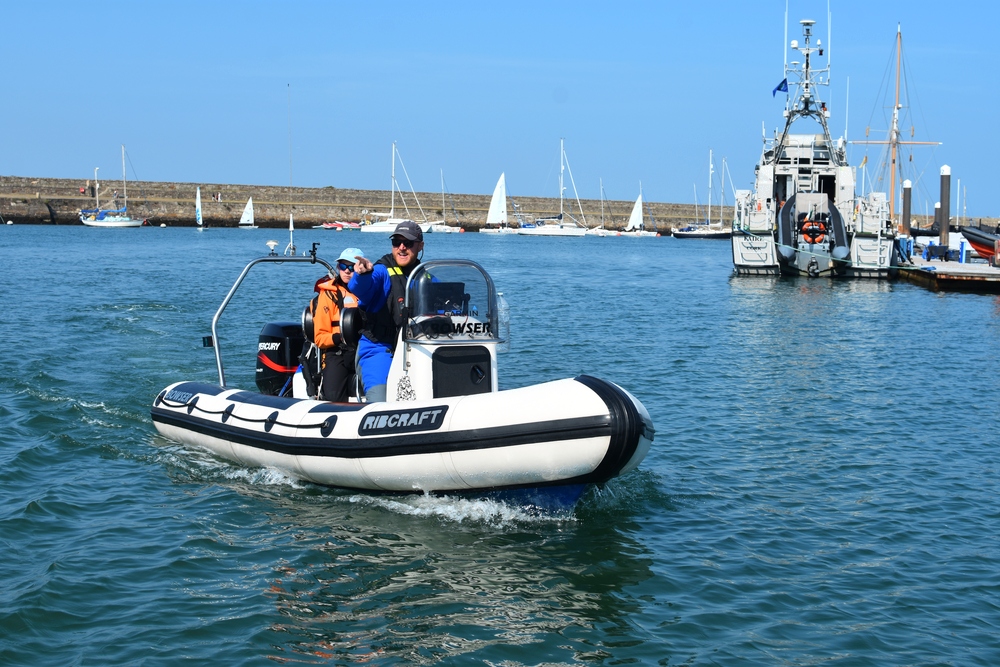
Ribcraft RIB entering Dún Laoghaire Harbour after the Holyhead to Dublin Irish Sea crossing
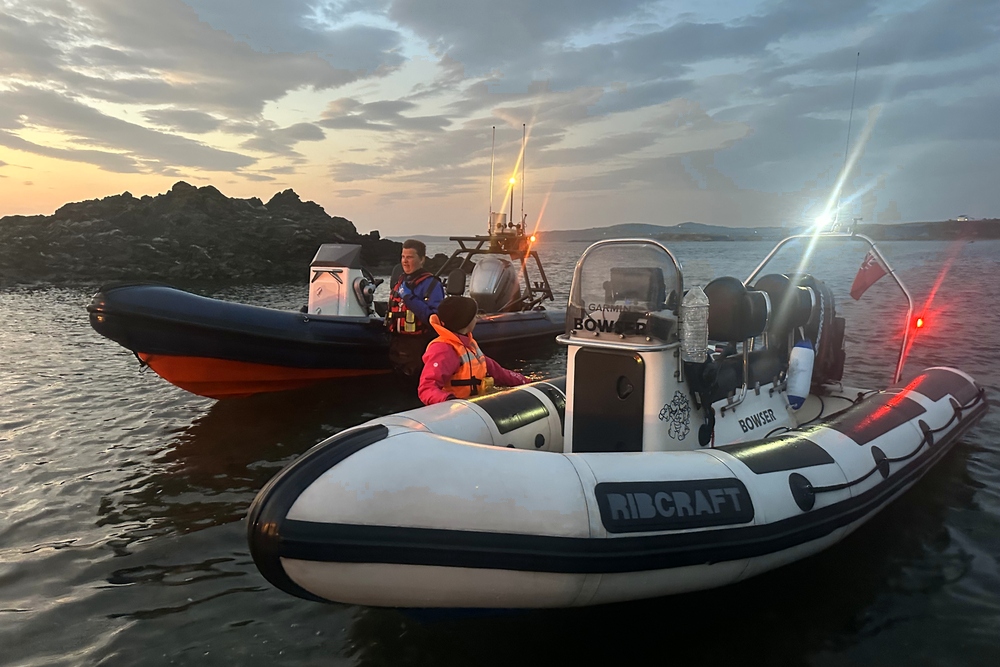
The adventurers with their trusty RIBs.
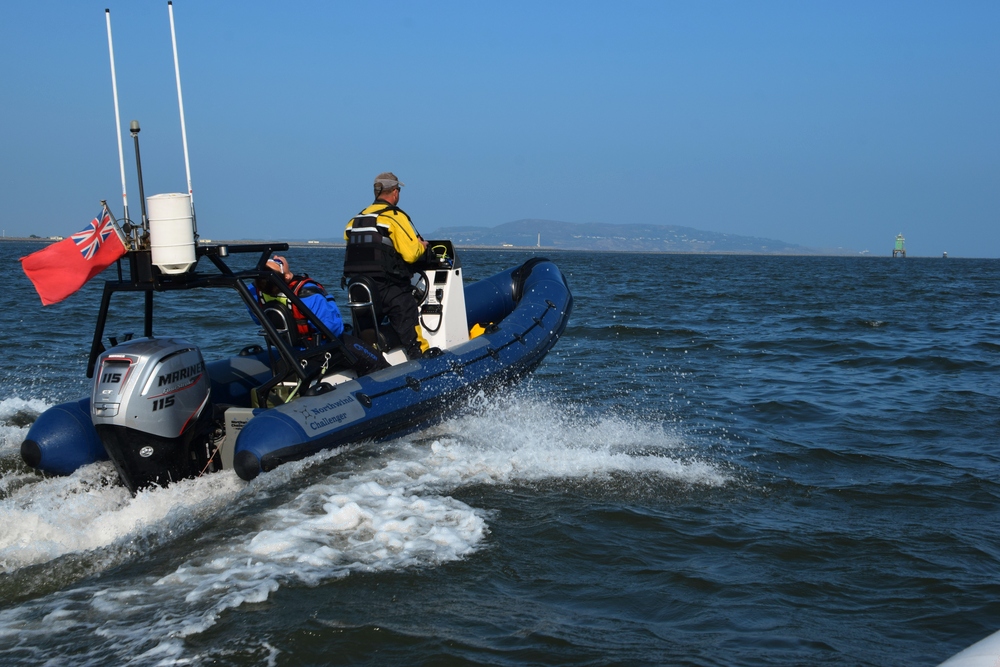
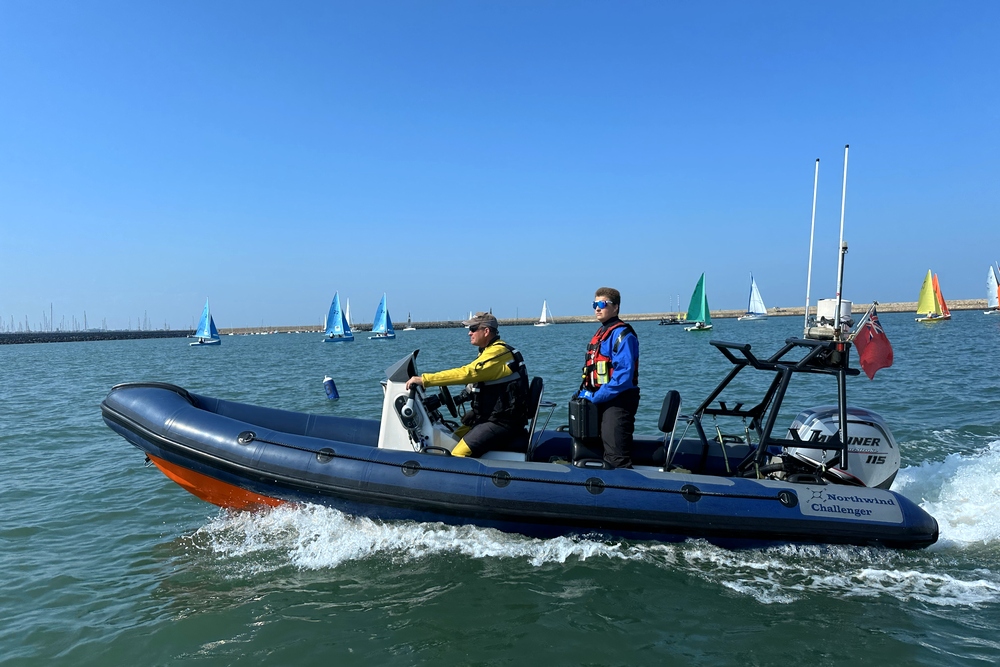
Northwind Challenger RIB entering Dún Laoghaire Harbour during the Holyhead to Dublin passage

So, there it was, our destination chosen based on an idea we had during a walk to a pub!
Planning an open-water crossing from Holyhead to Dublin

As with any passage, especially an open-water crossing, planning would be key. We would be a long way from home, and literally hours away from any kind of help should we need it.

Plans were made that in the event of mechanical breakdown we would attempt a self-rescue by towing the casualty vessel to the nearest location, be it Ireland or Wales. We would also have to be prepared to leave our boats in Ireland and make our way home by ferry should the need arise. In any case, we would make our situation known to the coastguard in the first instance.

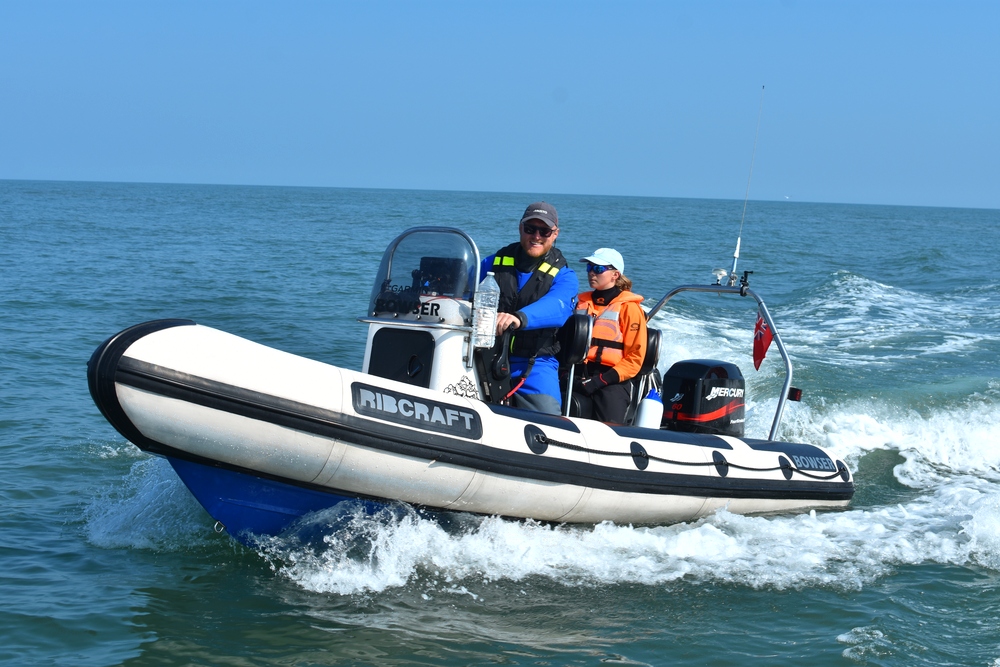
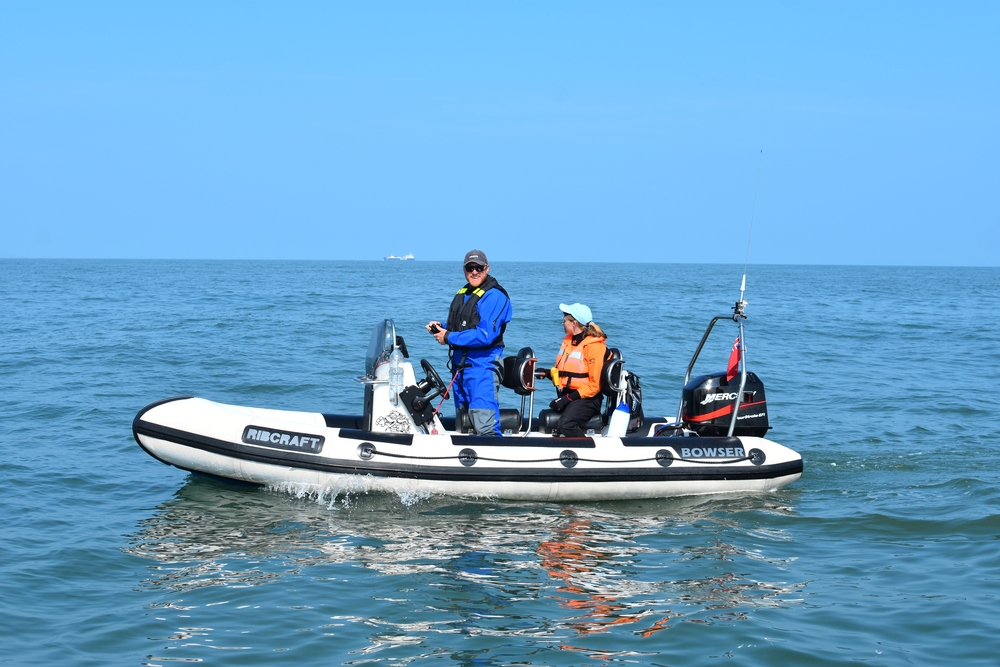
Ribcraft RIB Bowser underway in calm Irish Sea conditions during the Holyhead to Dublin crossing
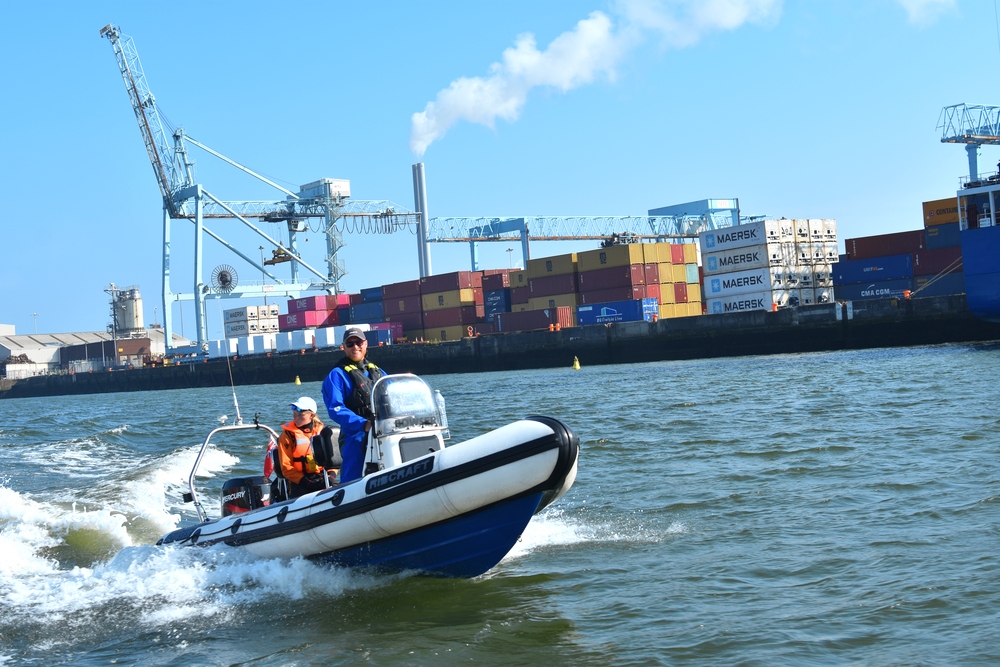
My friend and cruising buddy, Anthony with his Ribcraft RIB.

Advertisement

Fuel planning and passage information

Fuel, and its availability is invariably high on the list of considerations with options being limited. Petrol of course is harder still to source on the pontoon, but we look for it anyway. Having an up-to-date copy of Reeds Nautical Almanac and studying the relevant sections should be considered essential. For those who may be unaware, this invaluable publication is where you will find local navigation waypoints and hazards as well as local services and amenities. Phone numbers and VHF channel numbers for marinas, harbour masters, VTS control centres and even local GP surgeries are also listed. It must be noted that the almanac is intended to be used alongside regular navigation charts.

As I scour the pages of the almanac, and pore over the chart, I realise that there is a lot to consider, and that this would not be a simple case of putting the chartplotter’s cursor over Dublin and setting off. First off, Dublin is very much a commercial port with only a small provision for leisure boaters. In addition, there is a huge no-go area outside the mouth of the Liffey which is reserved for the huge ships waiting to dock in the city’s port. We would therefore need an alternative location to make landfall.

Fuel, and its availability is invariably high on the list of considerations with options being limited.

Choosing Dún Laoghaire as the landfall

Scanning Google Earth, as I often do, gave me a better overview of our intended destination, and with it the location of nearby harbours and marinas. As luck would have it, 2.5 nm to the south of the entrance to the Liffey is Dún Laoghaire Harbour and its marina within. Almost unbelievably, petrol is available on the pontoon, making our adventure that bit easier. Personally, I always like to have a plan B, so I also found another location where we could potentially land the boats and walk to a petrol station nearby should we encounter a problem in the marina.

Finding the right weather window for the Irish Sea passage

Keeping an eye on the weather apps as we do, we spied a sustained period of calm weather approaching. Messages between myself and Anthony were furiously exchanged and I set about meticulously, though hurriedly finalising plans.

Of course, in situations like this it is essential that you study not only the local weather forecast, but also that of your destination. The reality of getting lucky and having the forecasts match up is the reason why these trips are so infrequent for us in small boats.

In the days prior to our trip I rang Dún Laoghaire marina to enquire about the availability of petrol and of course the procedure to follow in order to obtain it. Pages of the almanac were photographed (I would also take the book with us) whilst key bits of information such as compass bearings, VHF channels and the marina’s phone number were written on a plastic diver’s slate stored behind the plotter.

The Holyhead departure and 48 nm passage to Kish Bank

Saturday morning arrived and with it the blue skies and calm seas we had been promised. The boats, Northwind Challenger, a 5.8 Tornado with myself and son Tom on board along with Bowser, a 4.8 Ribcraft with Anthony and daughter Paige, were fuelled and provisioned and we were off.

Advertisement

Advertisement for Navan boats, saying Engineered to perform
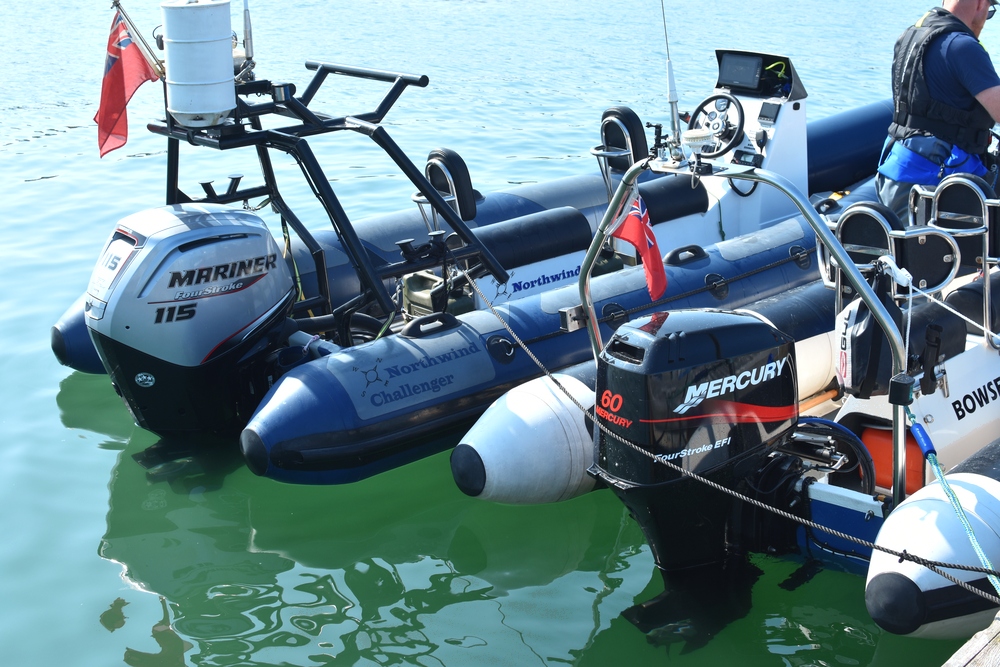
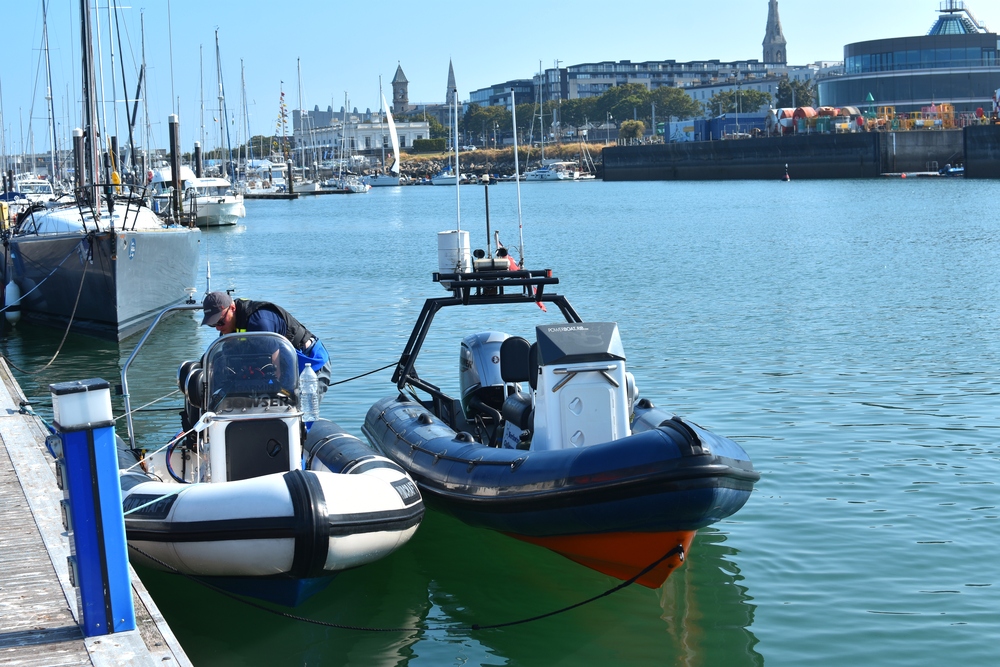
Northwind Challenger and Bowser RIBs moored together in Dún Laoghaire Marina after the Irish Sea crossing
The two RIBs - a 5.8 Tornado with a 115hp Mariner and a 4.8m Ribcraft with a 60hp Mercury

The majority of our passage would be a 48 nm straight line to our first waypoint which I set as Kish Bank Lighthouse around 6 nm outside of Dublin. Predictably, once out of sight of land this would prove to be a monotonous round of watching the miles count down on the plotter. As with our previous trip, we spent much of our time surrounded by a low-lying sea mist denying us an early glimpse of our destination.

Dolphins and Kish Bank Lighthouse

Around 15 nm outside of Dublin we were greeted by a large pod of dolphins. As always, we stopped in order to enjoy this sight without disturbing them. They however made it quite clear that they were here to be sociable. As we set off again they surrounded our boats, breaching in our wakes, crisscrossing under our hulls and keeping pace alongside. It’s hard to say how long this went on for but needless to say we were in no rush for this magical encounter to end.

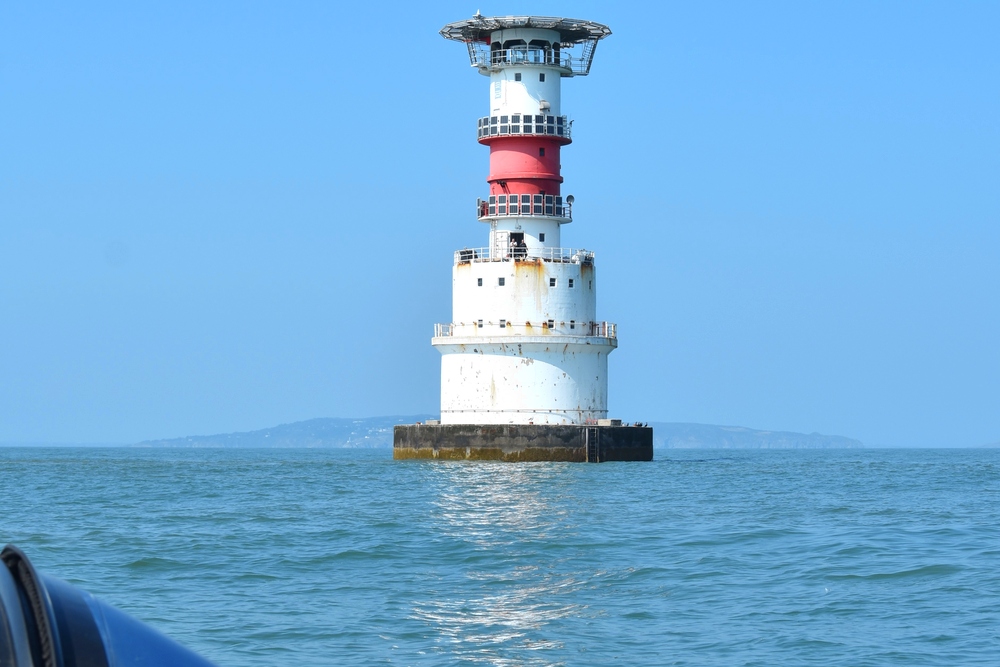
Pressing on, the 31 m reinforced concrete structure that is Kish Bank Lighthouse soon came into view.

Kish Bank Lighthouse off Dublin during a calm Irish Sea RIB crossing from Holyhead
Kish Bank Lighthouse

Despite their autonomous operation, lighthouses still require human attention to carry out routine maintenance and as we approached an engineer appeared on one of the external walkways that encircle the tower. Clearly surprised to see us, he asked if we were visiting one of the local wrecks. Once we shouted back that we had come from Holyhead there followed a few expletives and a suggestion that we had lost our minds. We of course agreed, laughed and parted ways with a friendly wave.

Directly between us and Dublin itself is the large holding area for ships waiting their turn to enter the River Liffey. Our route therefore would take us south, around the outskirts of this area before heading directly for the imposing entrance to Dún Laoghaire Harbour.

Advertisement

  • Nordkapp Enduro 605 MPU advertisement
  • Nordkapp Enduro 830 advertisement banner

Making landfall at Dún Laoghaire Harbour

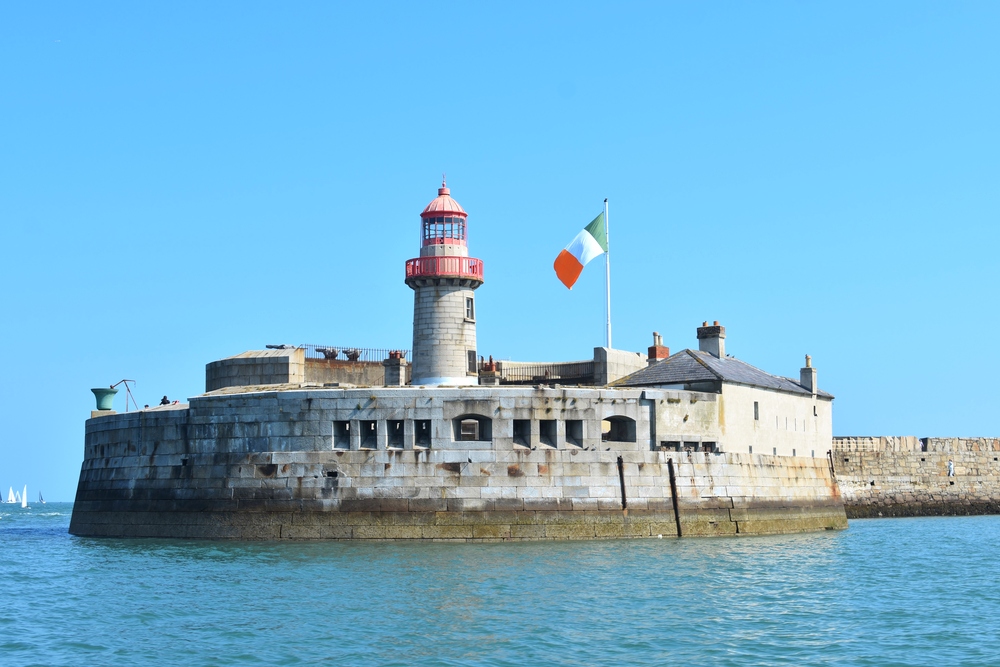
The harbour at Dún Laoghaire spans an area of 250 acres and is cocooned by two formidable-looking breakwaters constructed of granite blocks, the longer of which is around 1.5 km in length and set out in a horseshoe arrangement. Simply named as East and West Piers, it is the eastern structure that looks the most forbidding. Surrounding its circular granite lighthouse is a fort-like structure with gun emplacements. Originally built to defend the port, it quickly became a ceremonial gun saluting station used to mark prestigious events.

Dún Laoghaire Harbour entrance and lighthouse seen during the Holyhead to Dublin RIB passage
The fort like harbour entrance to Dun Laoghaire.

Refuelling at Dún Laoghaire

We took our time exploring the harbour before seeking out the marina to the west. As it was around noon we decided to eat before refuelling.

Northwind Challenger and Bowser RIBs moored at Dún Laoghaire Marina while waiting to refuel
Time to eat whilst waiting to get fuel
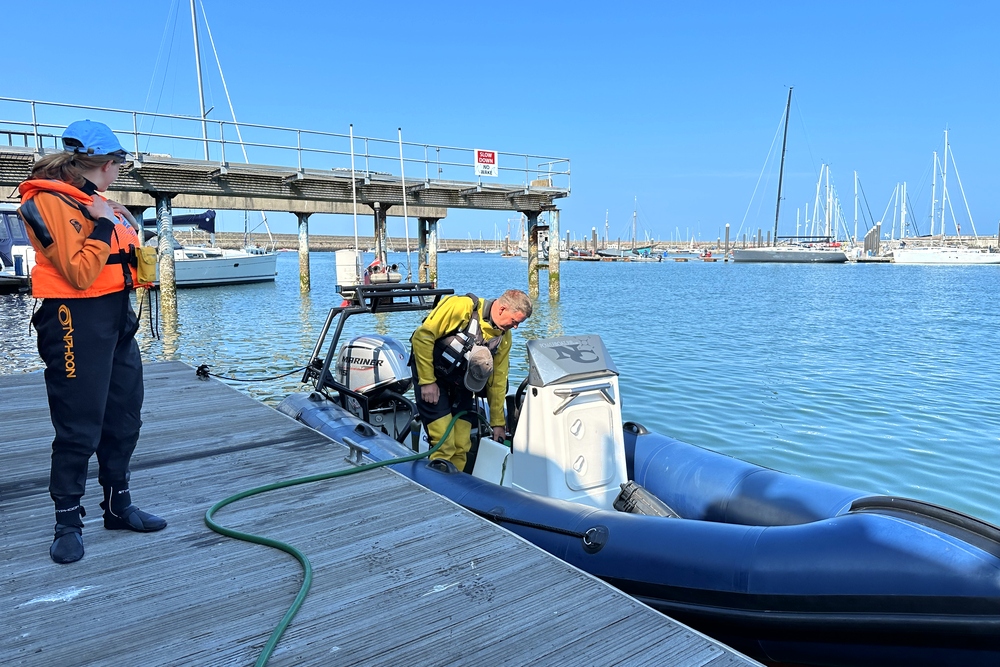
Northwind Challenger refuelling at Dún Laoghaire Marina after crossing the Irish Sea to Dublin
Probably the least enjoyable part of boating
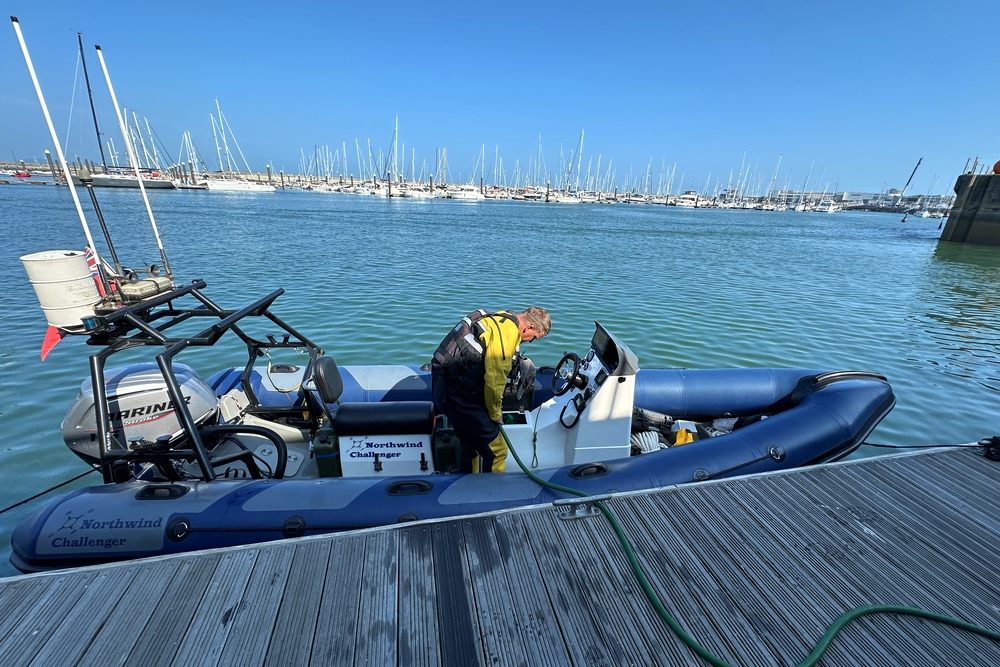
Northwind Challenger refuelling at Dún Laoghaire Marina after the Holyhead to Dublin RIB crossing

Advertisement

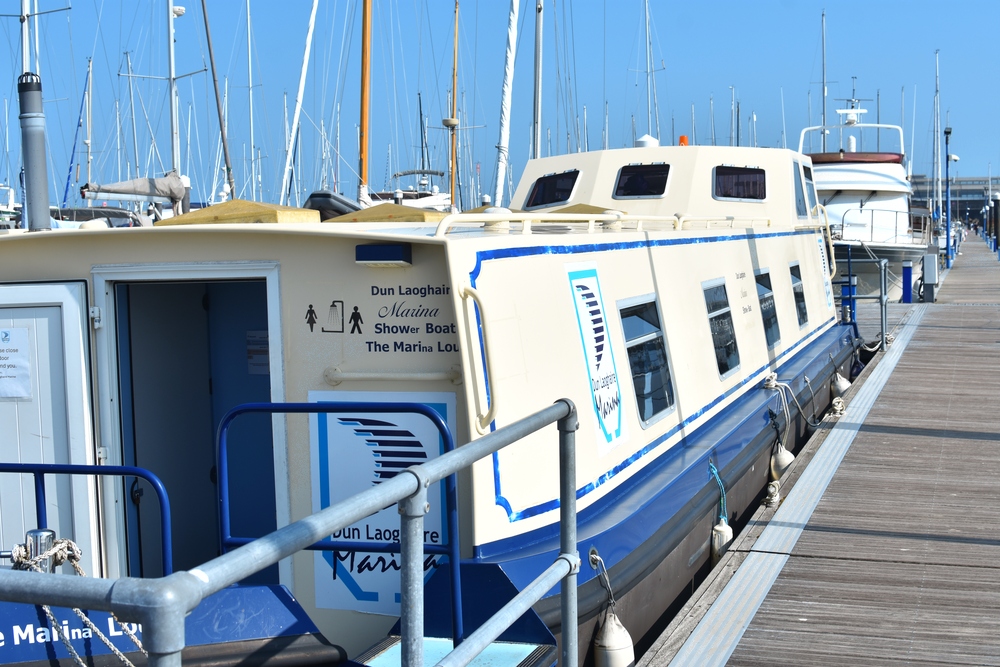
Tying up on a pontoon opposite the fuel berth we were approached by a friendly sailing club official on a RIB who asked if we were there to see the regatta. Learning of where we had travelled from, he gave us much the same response as the gentleman at Kish Bank Lighthouse! Before leaving he pointed us in the direction of the toilets, which interestingly were located on a barge in the centre of the marina. This large broad-beam barge was immaculate and comprised a good number of toilet and shower cubicles.

Floating toilet and shower barge at Dún Laoghaire Marina during the Holyhead to Dublin RIB trip
The imaculate floating toilet and shower facilities in Dun Laoghaire marina

Obtaining fuel was a breeze. A phone call (or VHF call) to the office saw a member of staff appear on the quayside who dutifully lowered down to us the petrol hose. To save time we fuelled both boats at the same time and split the bill later.

Upon climbing the tall ladder from the fuel berth to the attendant to pay, I was once again asked where we were from, and you guessed it, received the same surprised, well-intended foul-mouthed response. This seemed to be following a theme! I explained that we were heading for the River Liffey, so asked his advice. He explained that to do so we must contact Dublin VTS on VHF Ch 12 before we even get close to the entrance of the river. This call would be to describe our vessels and set out our intentions. Armed with this insight, we headed north to Dublin.

Entering Dublin Port and the River Liffey by RIB

Holding short of the southern breakwater I called Dublin VTS. Explaining that we were two RIBs hoping to head upriver sightseeing, we were given the all-clear, though instructed to stay outside of the navigable channel on the southern side of the river. We were to remain listening to Ch 12 all the while we were there too.

Entering the Liffey was an eerie experience. The sea mist was still very much upon us as we made our way past huge commercial buildings and docks.

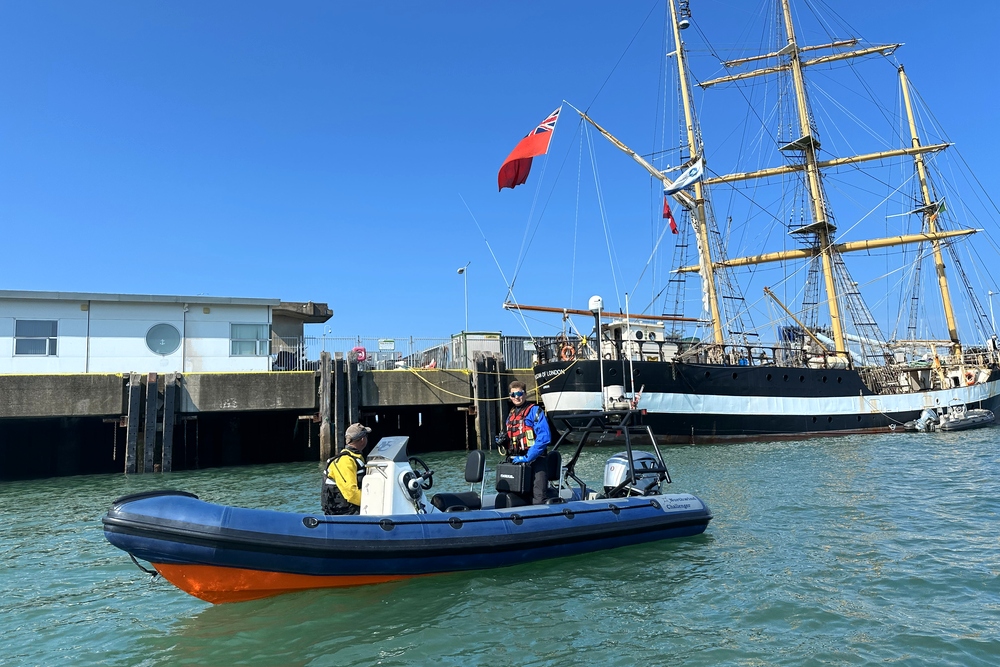
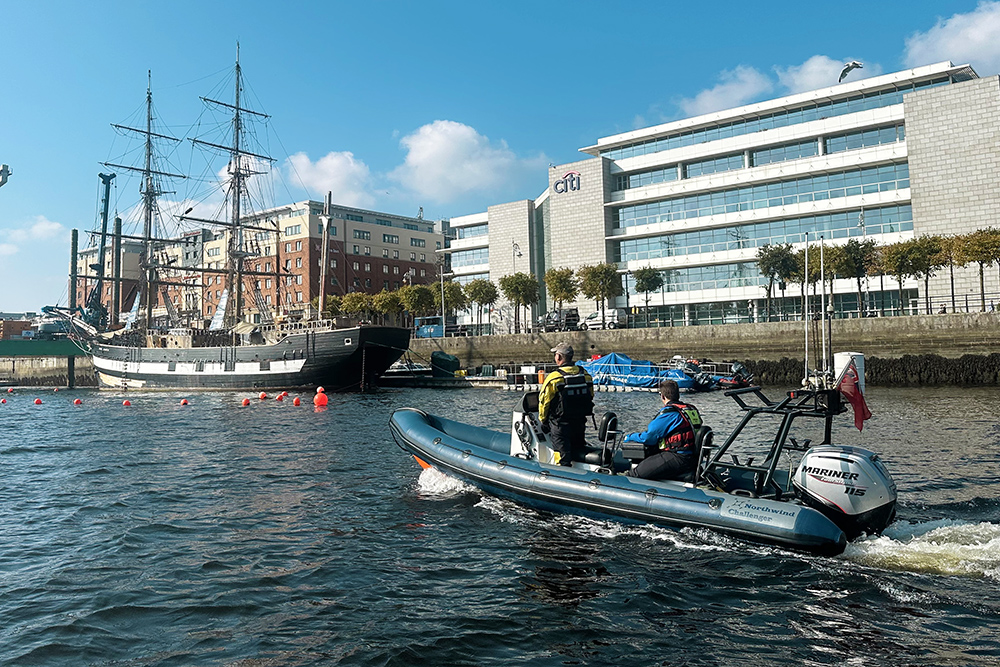
Northwind Challenger RIB passing a tall ship in Dublin during the River Liffey sightseeing passage
Passing the tall ship most famously moored as a museum on the River Liffey (at Custom House Quay) is the Jeanie Johnston, a replica of the 19th-century vessel that carried emigrants to North America during the Great Famine.

Advertisement

Advertisement for Navan boats, saying Engineered to perform
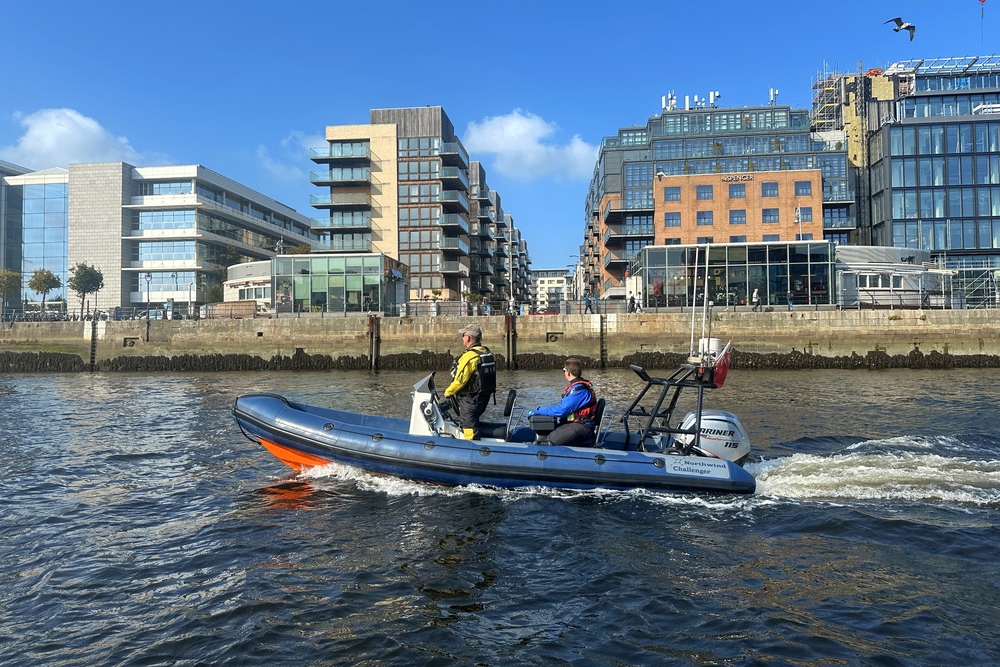
Northwind Challenger RIB cruising along Dublin’s River Liffey after the Holyhead crossing
Northwind Challenger RIB passing tall ships on Dublin’s River Liffey during a Holyhead crossing trip

Entering the Liffey was an eerie experience.

Looming out from the mist, backlit by the low-lying sun came a huge bulk carrier with deck-mounted cranes. To us that ghostly image before us seemed like the Titanic, with the cranes taking on the role of funnels. Funny how the mind works!

Ribcraft RIB passing container docks on Dublin’s River Liffey during the Holyhead crossing trip
The industrialised nature of the River Liffey was a stark contrast to our usual cruising grounds

We passed the ferry terminal where we had previously arrived as foot passengers, as well as a line of neatly lined up tugs, positioned as if ready to spring into action at a moment’s notice. Passing close alongside a cargo ship being loaded with scrap metal whilst being sure to stay out of the way of transiting ships, it becomes clear why contacting VTS is so important.

Advertisement

  • Nordkapp Enduro 605 MPU advertisement
  • Nordkapp Enduro 830 advertisement banner

Seeing Dublin from the River Liffey

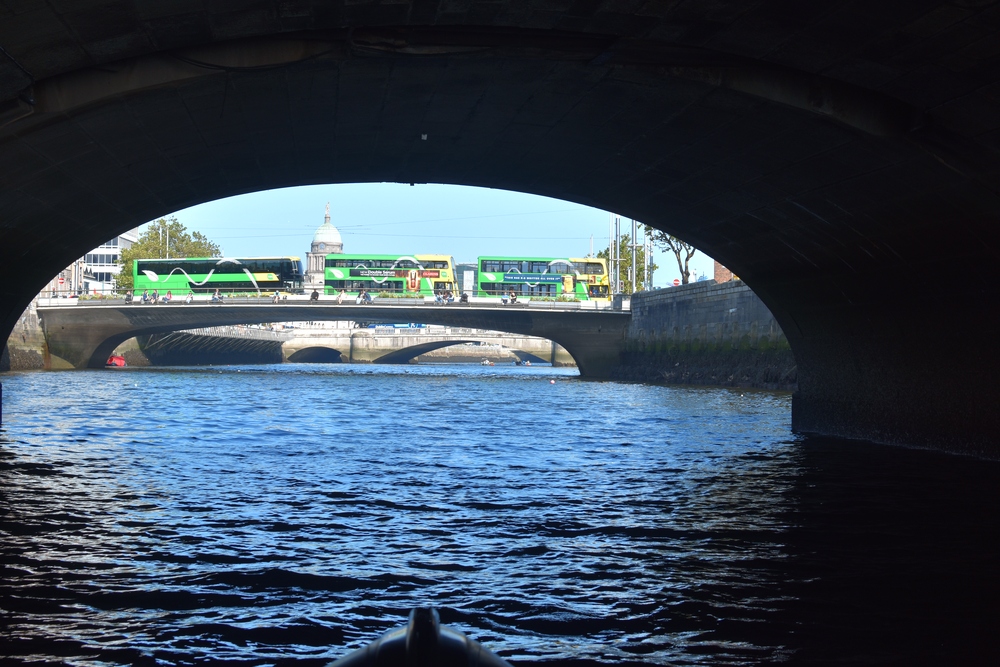
Passing beneath the first of many bridges over the river we left the industrial setting behind and became enveloped by a vibrant city scene steeped in history, successfully blending modern businesses with old buildings.

River Liffey view from a RIB beneath Dublin’s bridges during the Holyhead to Dublin passage
We passed beneath many bridges over the river

The roads either side of the river were busy, filled with people taking in the delights of Dublin. Families would stop and wave at us with their children whilst drinkers at the waterside bars would shout and raise a glass to us in a jovial manner.

For us, the fascination came from seeing various landmarks from the water which we had previously walked past, or seen from afar. This fascination was quelled somewhat by the frankly disgusting amount of pollution in the river. Having to steer around all manner of floating refuse and even seeing a pop-up festival tent pinned against the bank was not what I had expected of our little jaunt. The sad fact is that this is the case for so many rivers passing through densely populated areas, which is such a shame.

We soon reached a point upstream where we lost depth and this of course would be where we turned back. Despite this being a purely sightseeing trip without going ashore, our time on the river saw the mist lift and with it an unexpected increase in wind speed.

Returning across the Irish Sea to Holyhead

Contacting Dublin VTS once again, we sought clearance to pass through the port and exit the river. This time we crossed the channel and stayed to the north of the no-go area before plotting a course to the east and home.

Choppy conditions on the return leg

The wind had now picked up considerably, creating a steep, short chop on the port bow.

Advertisement

Northwind Challenger RIB leaving Dublin and heading back across the Irish Sea towards Anglesey
Leaving Dublin - Anglesey bound
Ribcraft RIB Bowser running across the Irish Sea during the Holyhead to Dublin passage

Twenty minutes into our return leg, struggling to achieve a decent speed with any kind of comfort, we began to think that we had really screwed up! Questions such as “can we really manage several hours of this punishment? “and “can the boats survive without something breaking?” to even considering whether or not we should enact plan B and return to Dún Laoghaire and stay the night?

The thought process was in overdrive before settling on the decision to press on. We were of the belief that the wind would decrease as we got closer to Wales and that the sea conditions would be more manageable as we got into much deeper water. We were right on both counts. Deeper water gave us large rolling waves which were far easier to match our speed to without any of the uncomfortable hull slamming we endured in the choppy waters of Dublin Bay. By halfway the winds had died down enough that we could up our speed and make some real progress – a boon considering the now rapidly fading daylight.

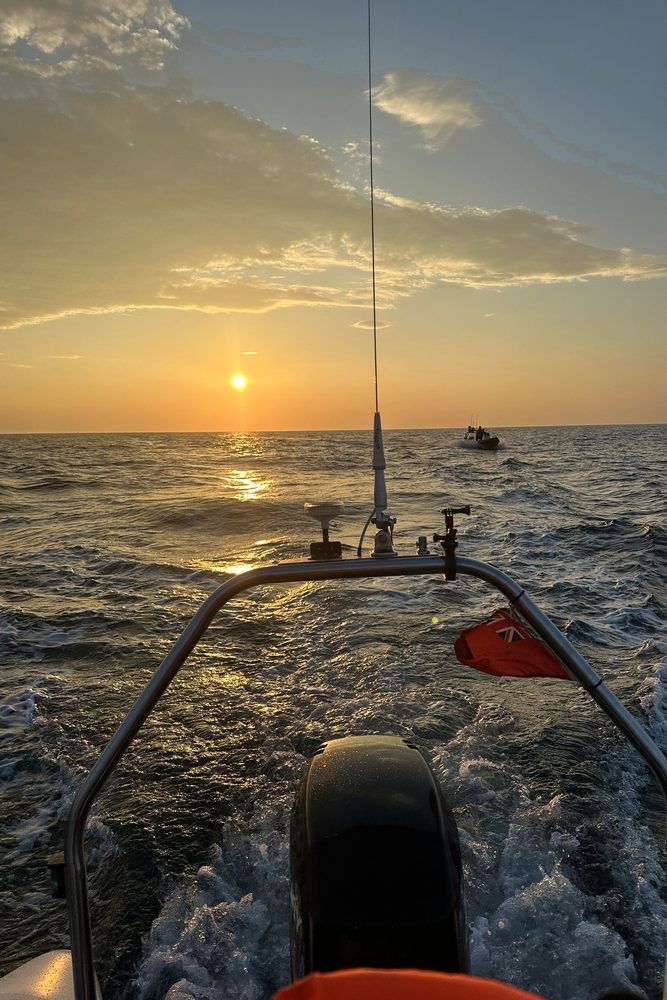
RIB returning from Dublin towards Anglesey at sunset after an Irish Sea crossing
With only a distant view of Anglesey ahead - the sun was setting fast behind us

Dolphins once again joined us, I like to think that it was the same pod as earlier, checking on our well-being. This time however we had to press on, unable to fully enjoy their presence.

Nightfall, lighthouses and the final arrival home

Our final push home would be in the dark, the familiar flash sequences of the lighthouses at The Skerries and South Stack were a welcome sight. Rounding the end of the one-and-a-half-mile-long harbour breakwater, marked by its own green flashing lighthouse, we caught sight of home.

Advertisement

Advertisement for Navan boats, saying Engineered to perform
Two RIBs returning to Holyhead at dusk after an Irish Sea crossing from Dublin
Feeling pretty exhausted and out of daylight but we were home!

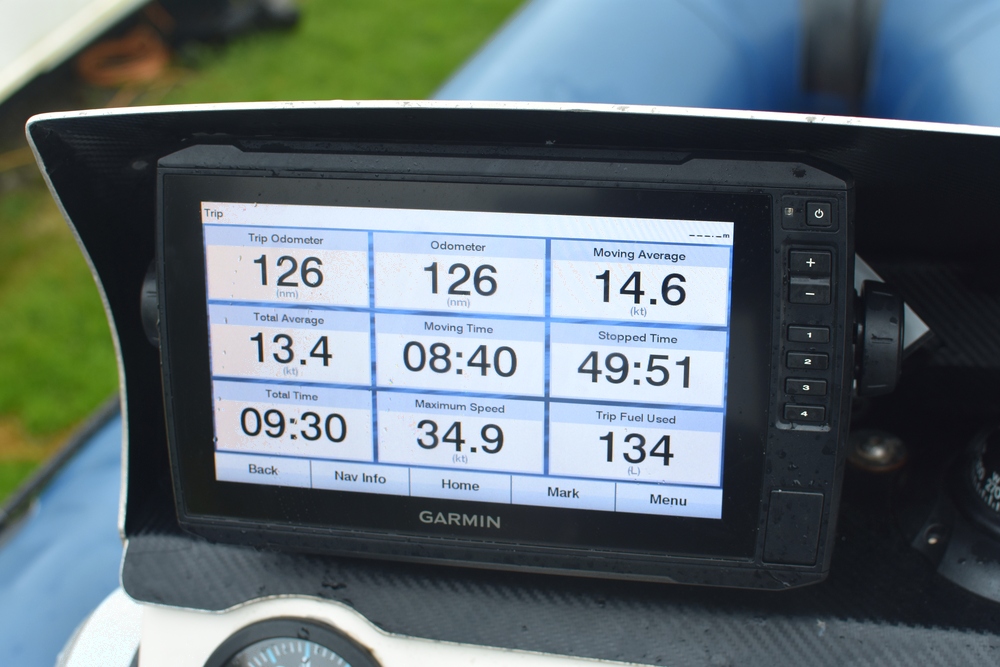
Standing waist deep holding the boats on the slipway, myself and Anthony discussed the same observation. At around the halfway mark a curious thing happened. The time displayed on our plotters jumped by an hour. Neither of us had noticed this on our outbound journey, but came to the conclusion that our plotters, rather oddly, must have reverted to GMT from BST whilst in Ireland, although both regions are in the same time zone.

Garmin plotter showing trip data after the Holyhead to Dublin RIB crossing

We laughed as we had wrongly been taking our time exploring the river in the belief that we had made good time and so no need to rush!

This anomaly with the time could have caused us to miss being able to recover our boats on the slipway and having to recover on the shallow beach in the dark, though lucky for us we had plenty of water this time. Couple this with the unexpected change in conditions and we are reminded that things don’t always go smoothly, even with meticulous planning.

Tom did a fantastic job on the helm in challenging conditions for the entire return trip, and both boats and crews returned in one piece. The only real question left to ask ourselves is, where do we go next?!

The only real question left to ask ourselves is, where do we go next?!

Advertisement

  • Nordkapp Enduro 605 MPU advertisement
  • Nordkapp Enduro 830 advertisement banner

Photographs by Jonathan Peers and Anthony Galley

Powerboat and RIB

Jonathan Peers

RIB Feature Writer | Powerboat & RIB

Advertisement

Advertisement for Navan boats, saying Engineered to perform
Trailer Boating from MDL advertisement

You might also like