Axopar launches 38 Sun Top with twin Verado power
Axopar’s new 38 Sun Top brings open-air flexibility, social seating and twin-engine performance to the growing 38 range.
Advertisement

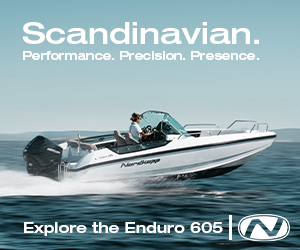
The company have taken a major step forward in their commitment to carbon neutrality by becoming a member of the Fuel Cell & Hydrogen Energy Association (FCHEA). This positions Yamaha alongside other key stakeholders in the engineering world who are desirous of investing in the achievement of carbon neutrality. The FCHEA’s primary goal is to lead national advocacy efforts urging all levels of government to support the research, development and deployment of hydrogen and fuel cell technology.
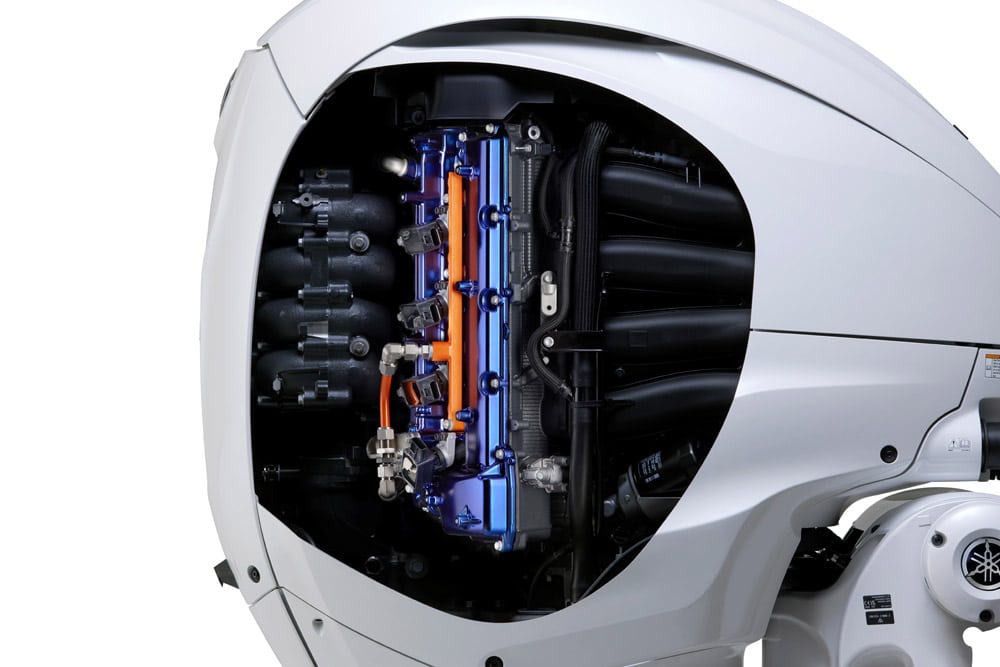
This is in addition, of course, to Yamaha acquiring the electric outboard brand Torqeedo. With Yamaha’s sustainable aims increasingly becoming focused on decreasing marine emissions, besides electric power, their fuel cell development and efficiency programme will likely inspire others within the marine industry to work along similar lines. Indeed, as Yamaha position themselves in the hydrogen arena, their collaboration with the FCHEA and the company’s advancements in hydrogen and electric outboard technologies indicate noteworthy progress with regard to the pursuit of cleaner powering solutions within marine leisure trade.

This content was created by the Powerboat & RIB editorial team.
Advertisement
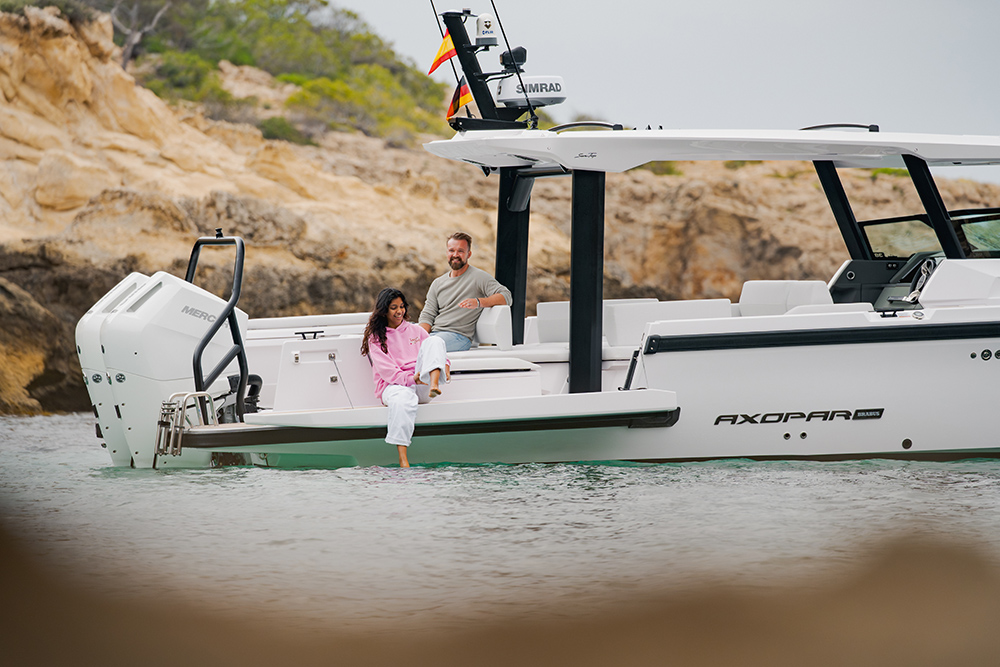
Axopar’s new 38 Sun Top brings open-air flexibility, social seating and twin-engine performance to the growing 38 range.
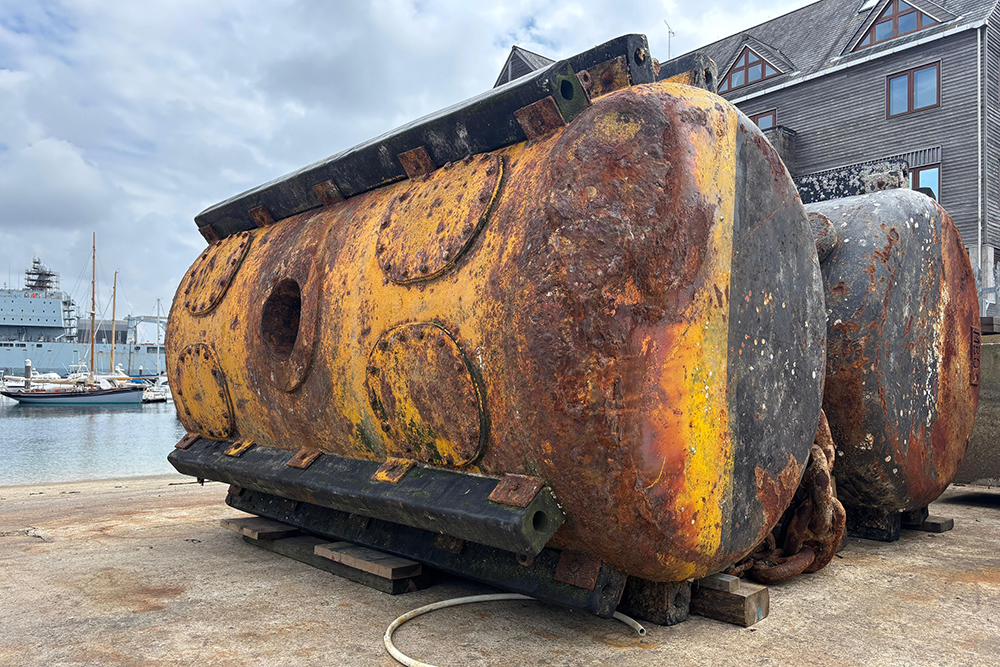
Falmouth Harbour has upgraded its large vessel moorings with new high-capacity buoys designed for superyachts and commercial operators.
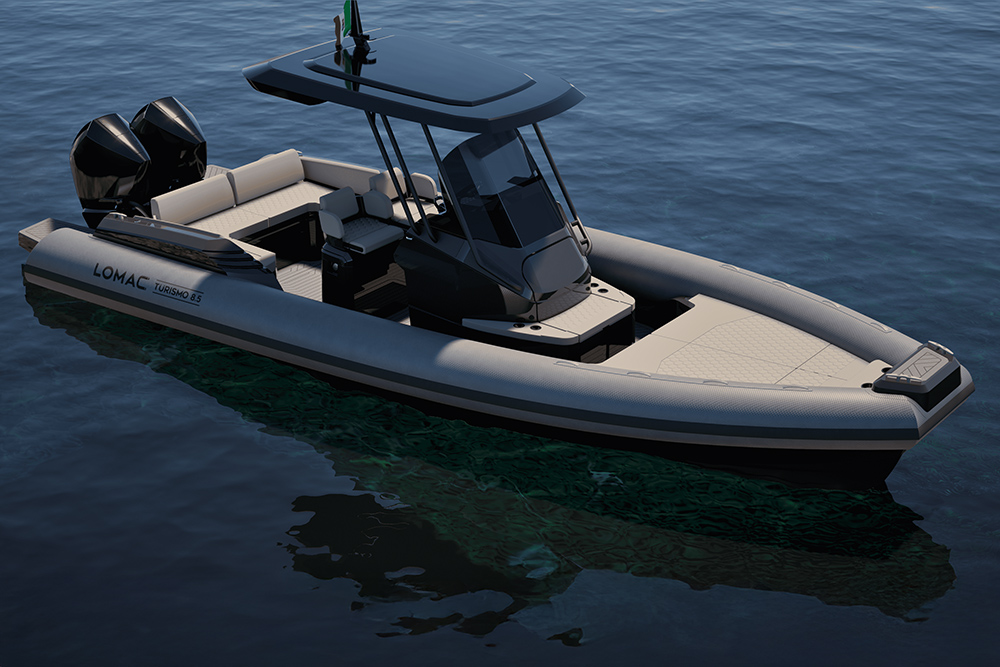
Lomac’s new Turismo 8.5 brings the range’s design language, flexible deck layout and 50-knot performance potential to a strategic 8.5-metre…
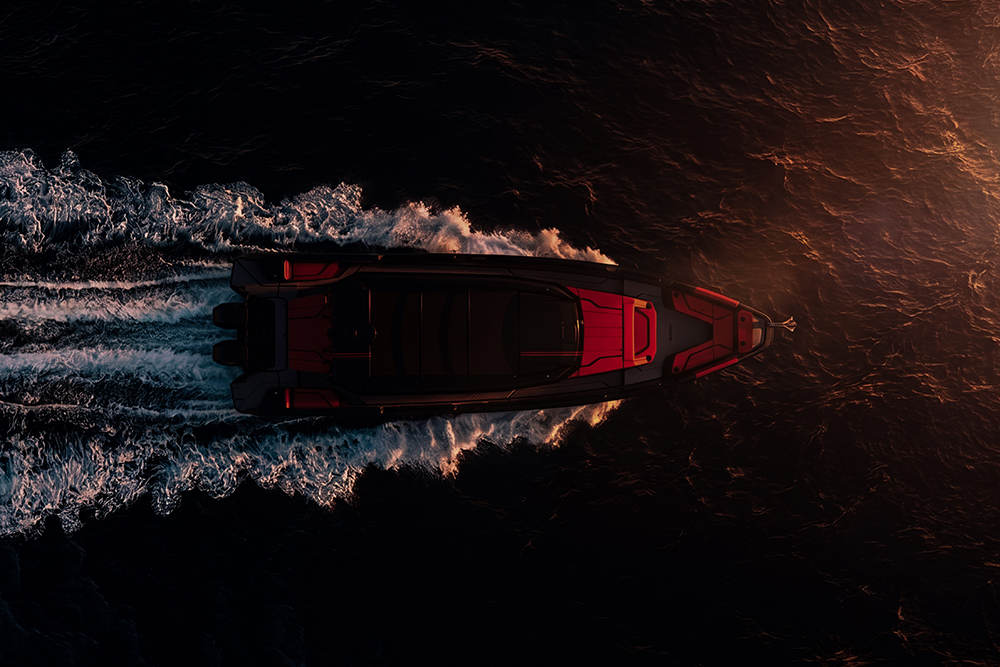
BRABUS Marine has revealed its new Shadow 38 range, bringing two high-performance Cross Cabin models to its luxury day boat…