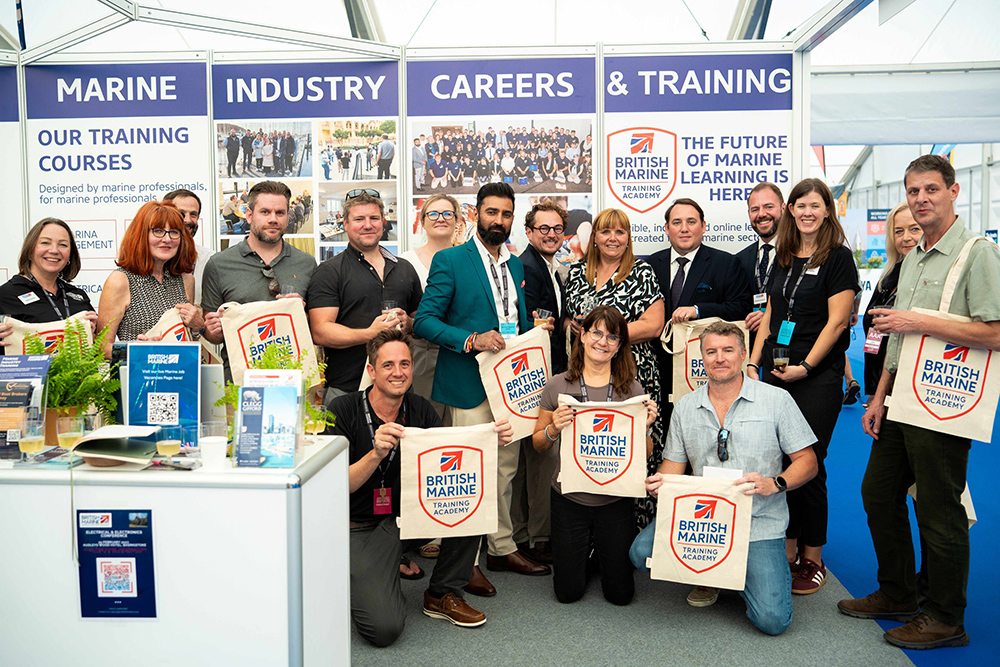
British Marine Training Academy launches with first online course
British Marine has launched its Training Academy, an online learning platform for the leisure marine sector, with a two-hour introductory…
Advertisement
Edited February 6, 2024

Content by Powerboat & RIB
According to a GWI 2023 Report on Gen Z, 20 per cent of the generation say social media causes them anxiety, 25 per cent more likely than other generations to say this. Globally, they’re more likely than other generations to report having a mental health condition and almost 33 per cent say they’re prone to anxiety, a higher proportion than any other age group with the rates of anxiety and stress also rising.
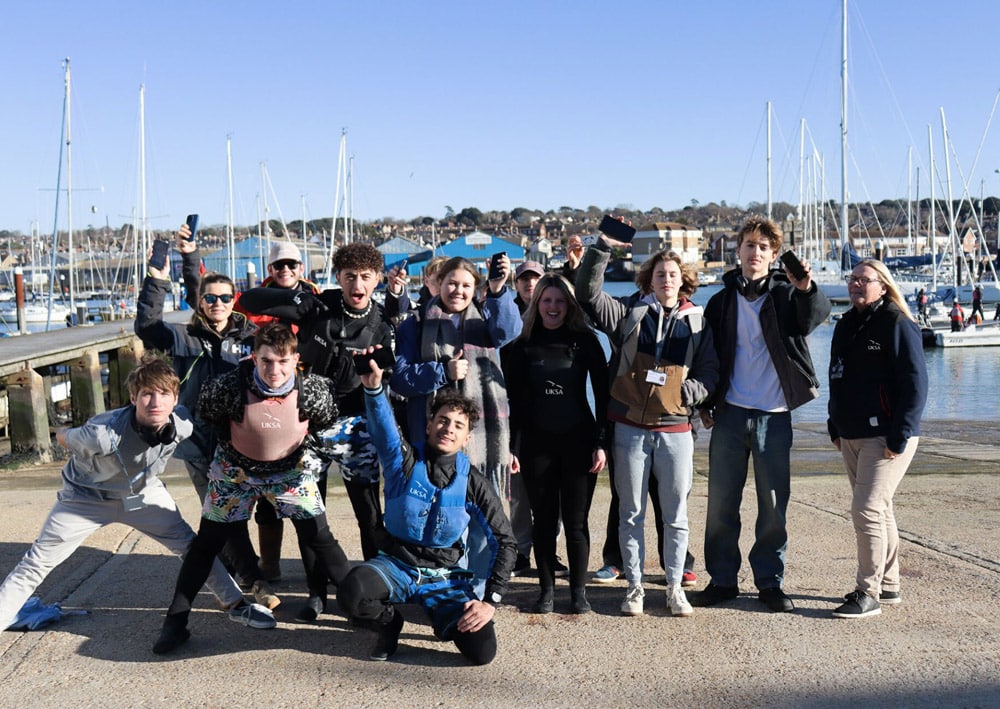
The world’s largest RYA centre and UK maritime charity, based in Cowes on the Isle of Wight is aiming for a 20 per cent reduction in screen time in a trial with 13 of its Further Education students and 3 of its staff. The trial over a 4-week period aims to encourage non-screen-based activities, boost socialising in person and reduce social media induced anxiety.
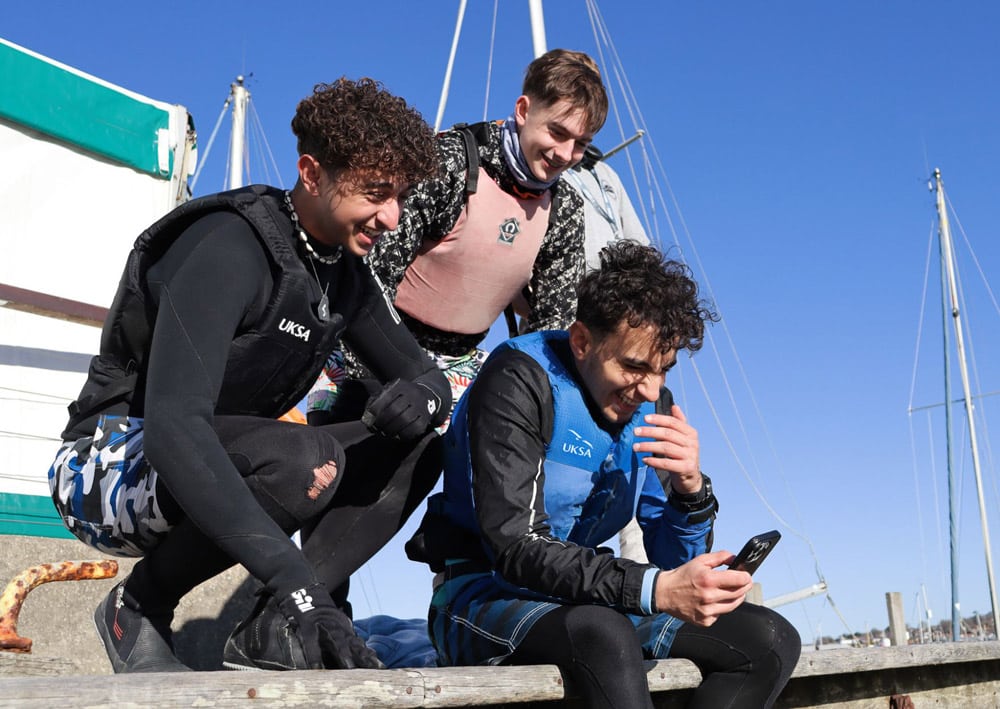
UKSA will work with the students to establish the times they typically spend more time on screens and offer alternative activities during these times with students sharing their screen data on a weekly basis with the UKSA team.
Kim Fry, Safeguarding and Welfare Manager at UKSA said: “Whilst we appreciate that our young people need technology to study and connect, we value the idea that screen-free time is important for making personal connections and experiencing the world in real and actual terms.”
“Despite struggling the most, this report demonstrates that Gen Z is also the least comfortable opening up about how they feel compared to older generations. This trial will give us the opportunity to talk to the students about their screen habits, discuss how the changes are making them feel during the trial and then the results afterwards with an aim to encourage the students to continue with their new habits.”
The GWI report explains a combination of heavy representation of unrealistic body images, as well as more online abuse has led to female Gen Z feeling anxiety caused by social media more acutely than male Gen Z with females 16 per cent more likely than their male counterparts to say social media causes them anxiety. This is likely why they’ve been calling for more authenticity online, and why platforms like BeReal and TikTok have been so popular with them.
UKSA will work with the students to establish the times they typically spend more time on screens and offer alternative activities during these times with students sharing their screen data on a weekly basis with the UKSA team.
“We want to work with the students to help them individually identify the causes of the screen time, what alternatives might be available. Are they scrolling out of boredom rather than need? And how can we address that to create new, more healthy habits,” said Kim.
To find out more about UKSA, please visit www.uksa.org

This content was created by the Powerboat & RIB editorial team.
British Marine has launched its Training Academy, an online learning platform for the leisure marine sector, with a two-hour introductory…
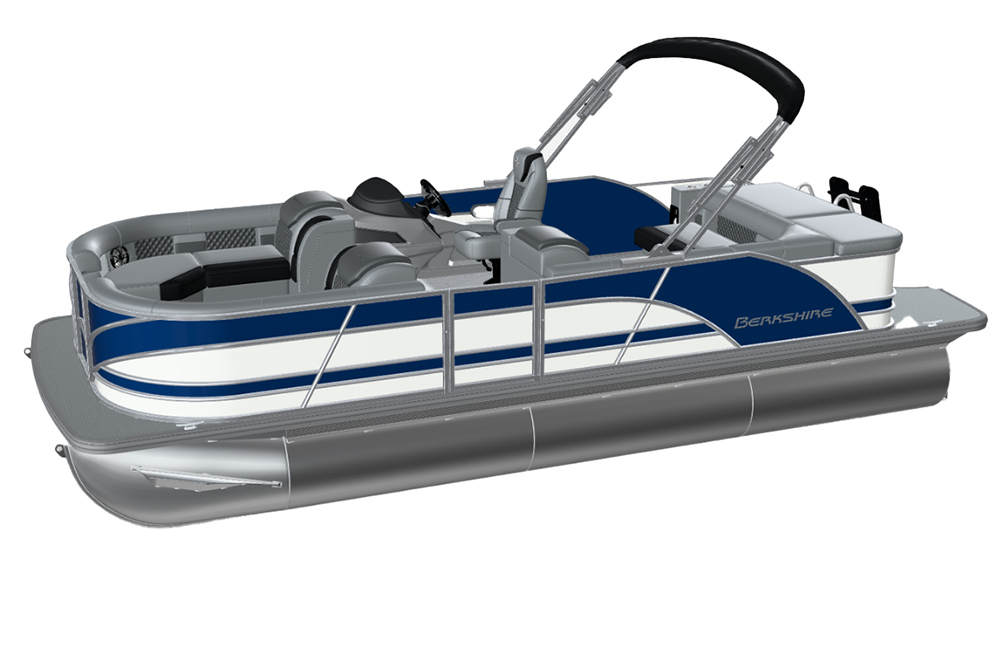
Forest River Marine has launched an interactive 3D Boat Builder, letting customers design a pontoon online and use augmented reality…
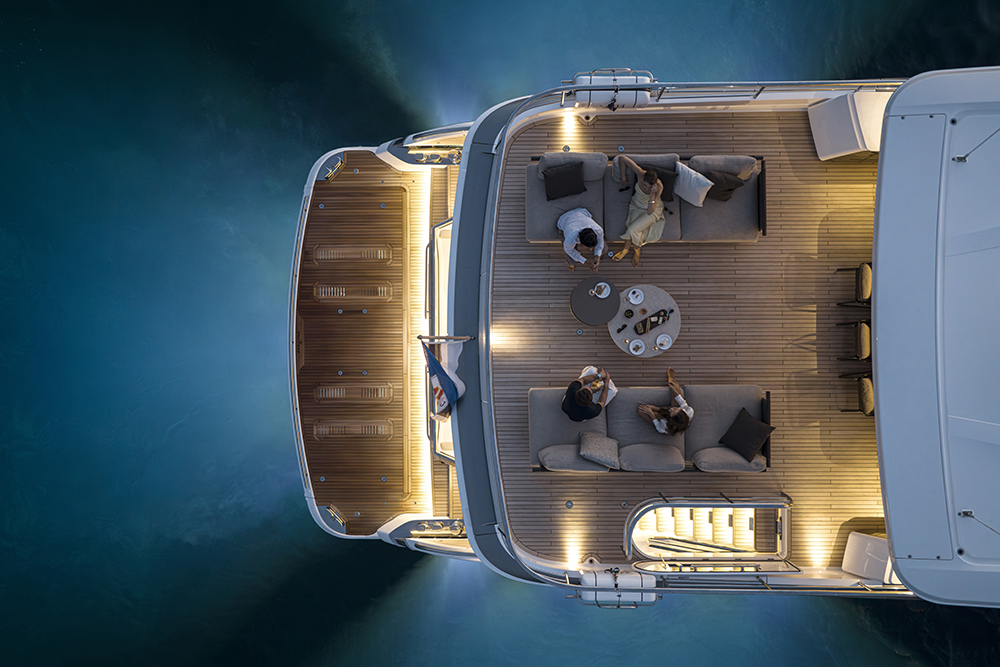
Princess Yachts posted a £17.6 million operating profit and £35.9 million Adjusted EBITDA for 2025, and says profitability has continued…
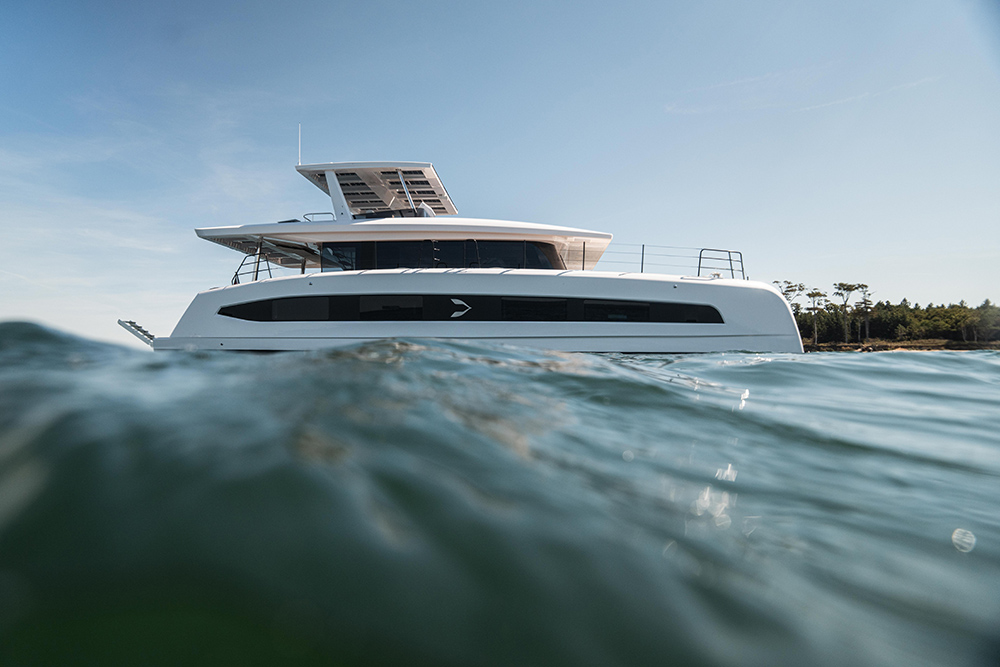
Pioneer Yachts unveiled Pioneer One, the first 60-foot PY60 solar-electric catamaran, at the Cannes Yachting Festival 2026, with 246 kWh…