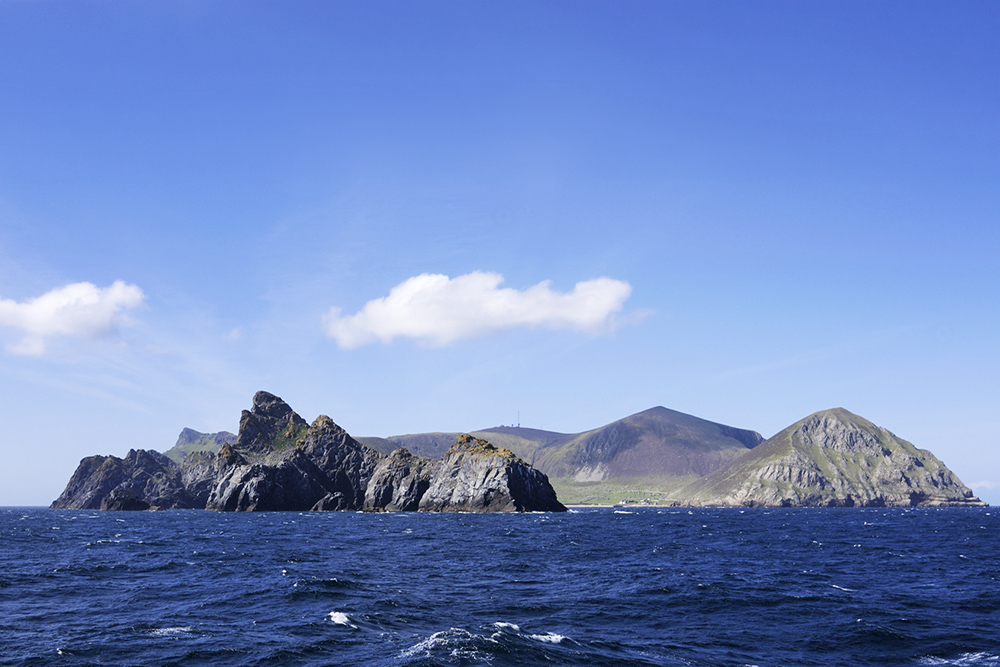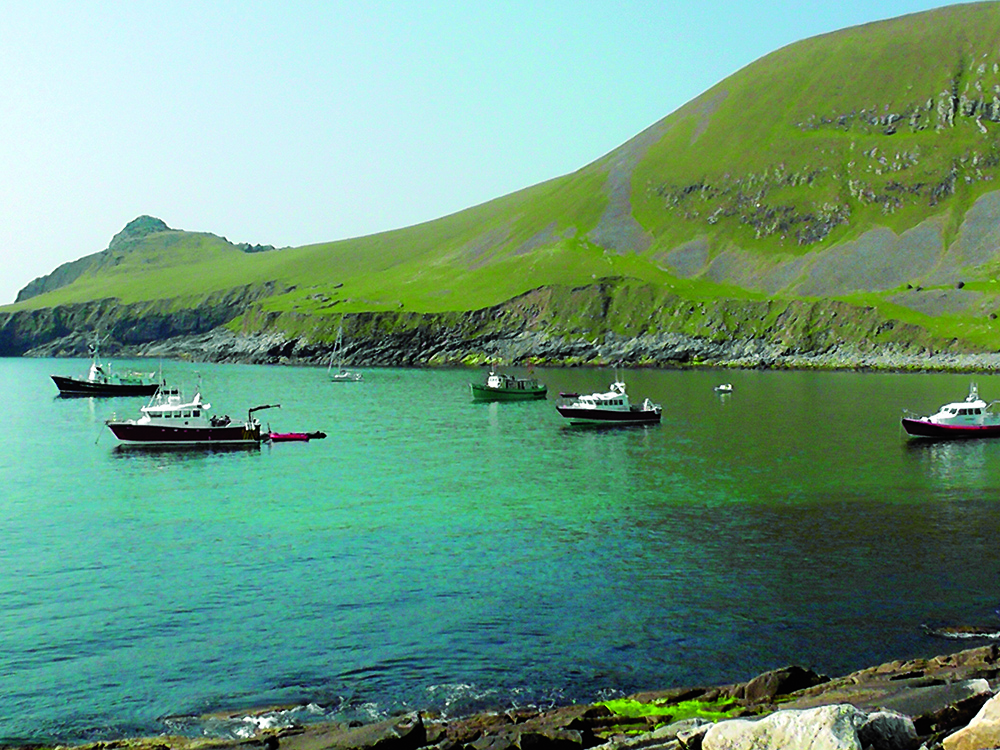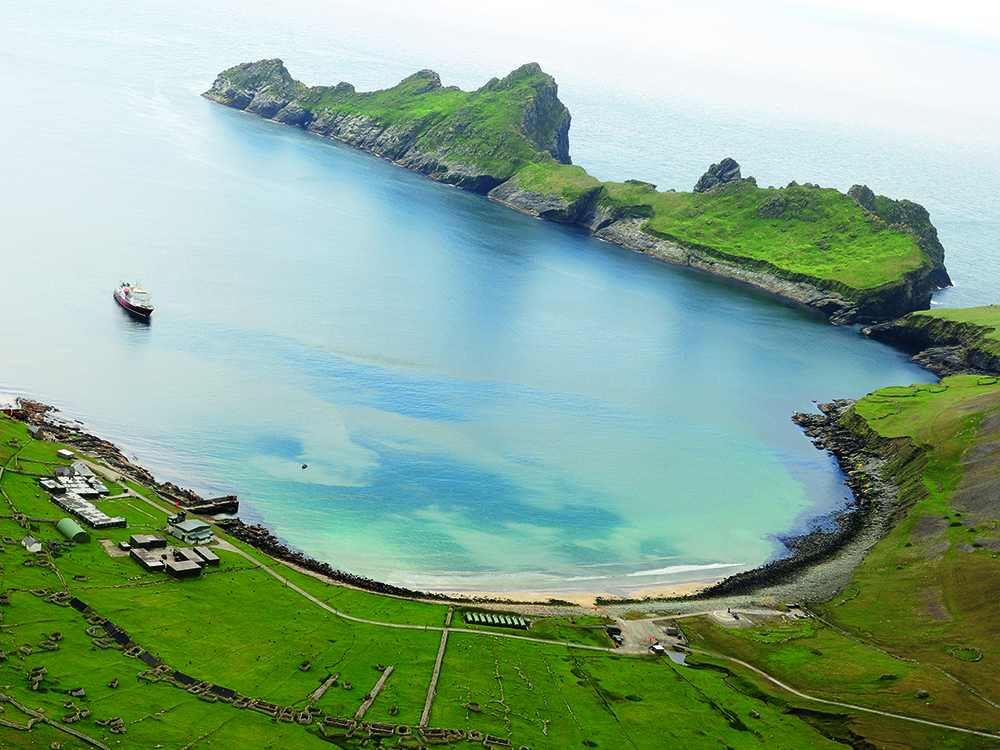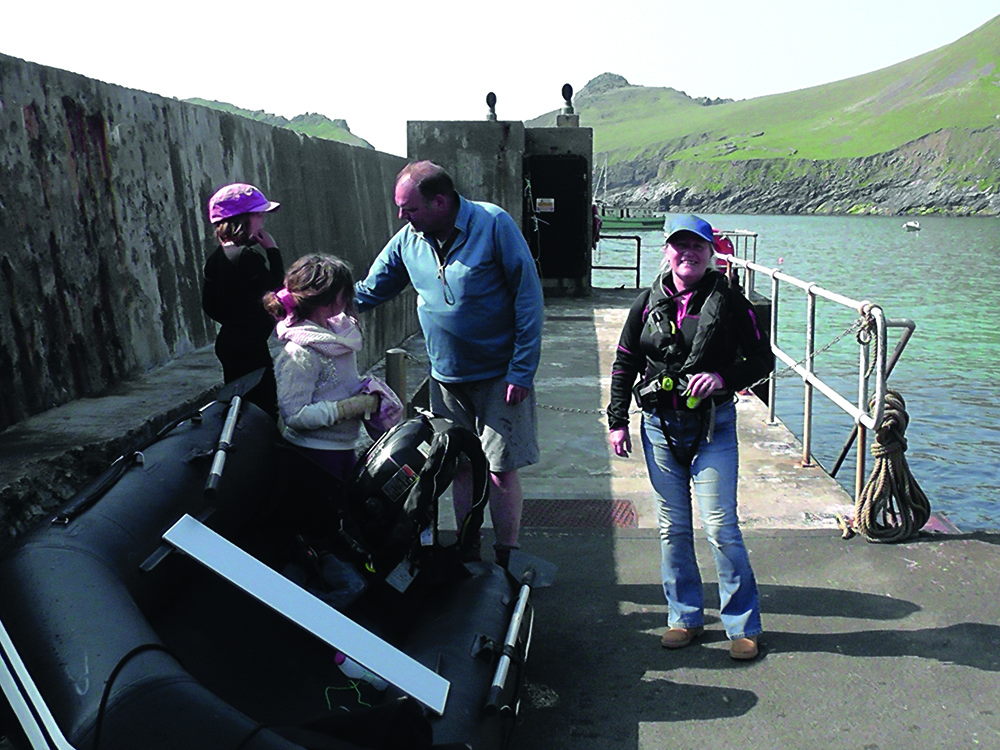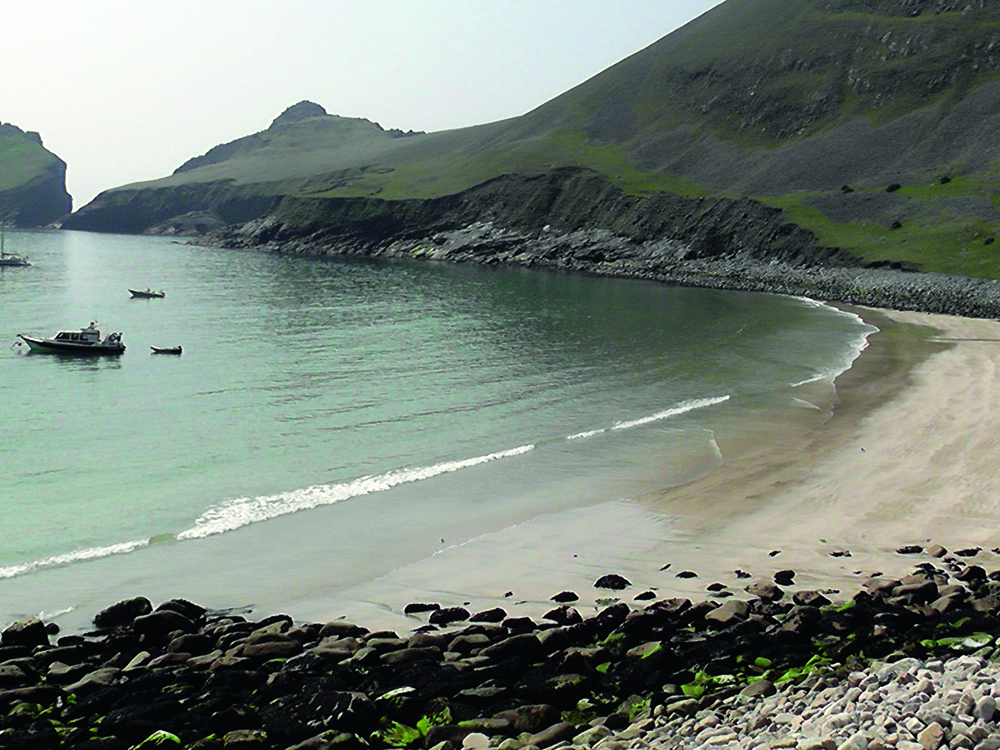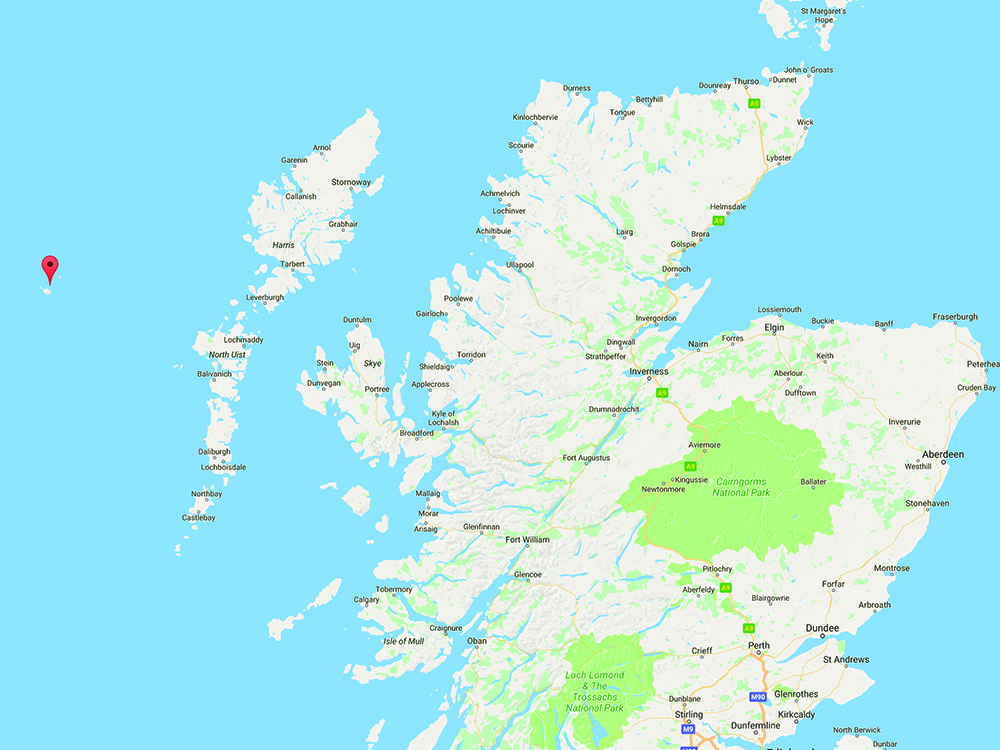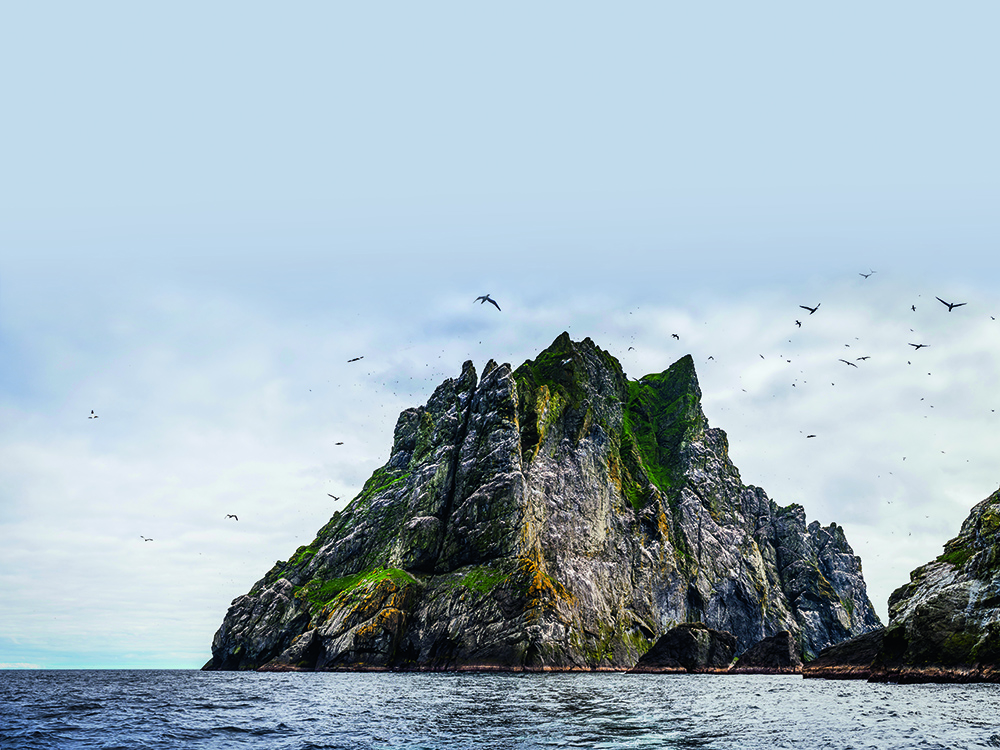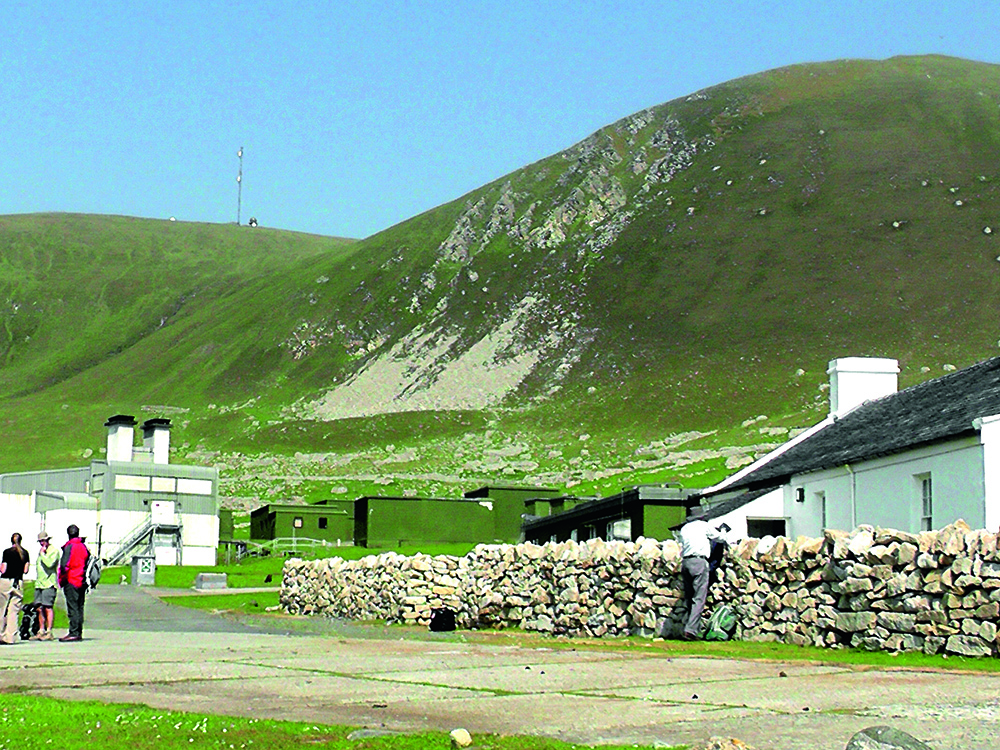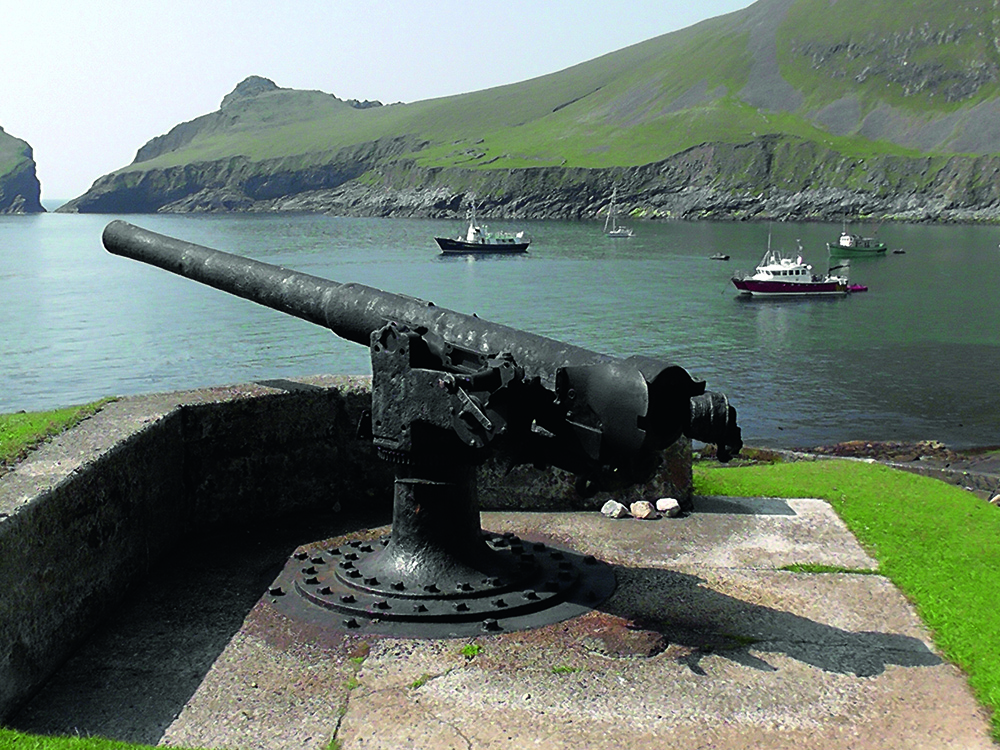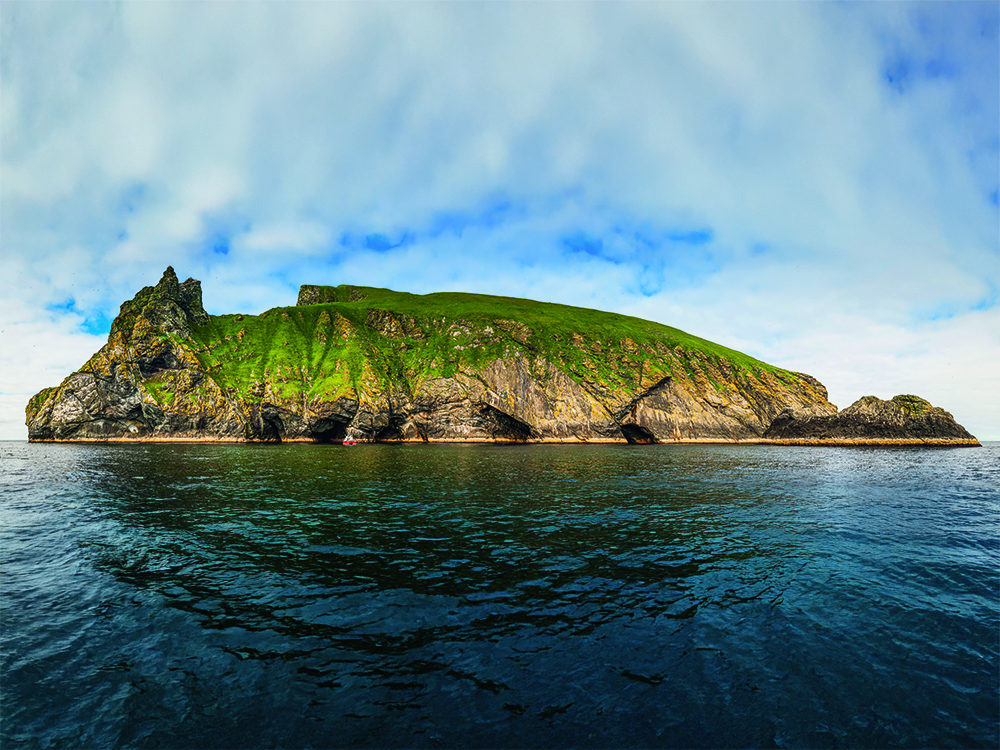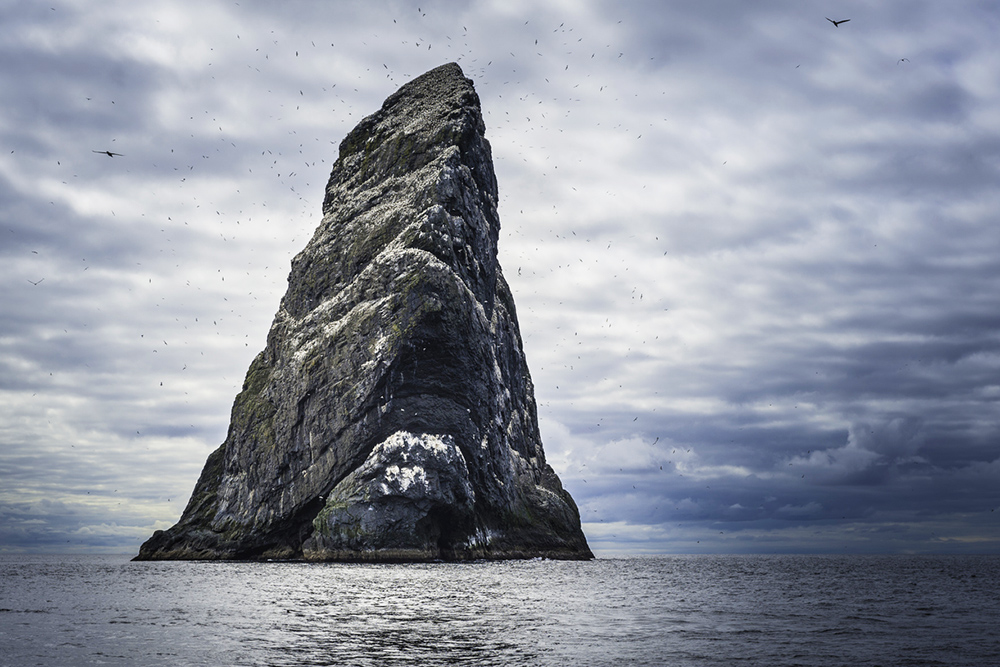

The island has a mythical status because many people who plan to go there on a sailing holiday or day trip don’t actually get there, as the weather is so unpredictable. The high wave energy levels exceed any other site in the British Isles. Once a craft gets into the Atlantic and away from the shelter of the Isle of Lewis, any sort of bad weather in the Atlantic makes reaching St Kilda difficult. The islands, often named ‘The Islands at the End of the World’, have their own weather system. Gale force winds are experienced for a fifth of the year. Low temperatures and cloud with heavy rain can prevail for days or weeks, even in the summer months. Significant wave heights exceed 5 metres for 10% of the year and 1 metre for 75%. The highest winds recorded on St Kilda were in January 2015 with gusts of 188mph at the military base. Historical records indicate that the wind on St Kilda was sometimes so strong that the islanders’ sheep and cattle were blown over the cliffs. One visitor from the mainland reported that the sea beat so hard on the shore in a storm, it left the villagers deaf for a week. Trees refused to grow there and the few crops would sometimes become polluted with salt water. Fishing was considered too dangerous. Many St Kildians were drowned just a few hundred yards from their home in Village Bay.
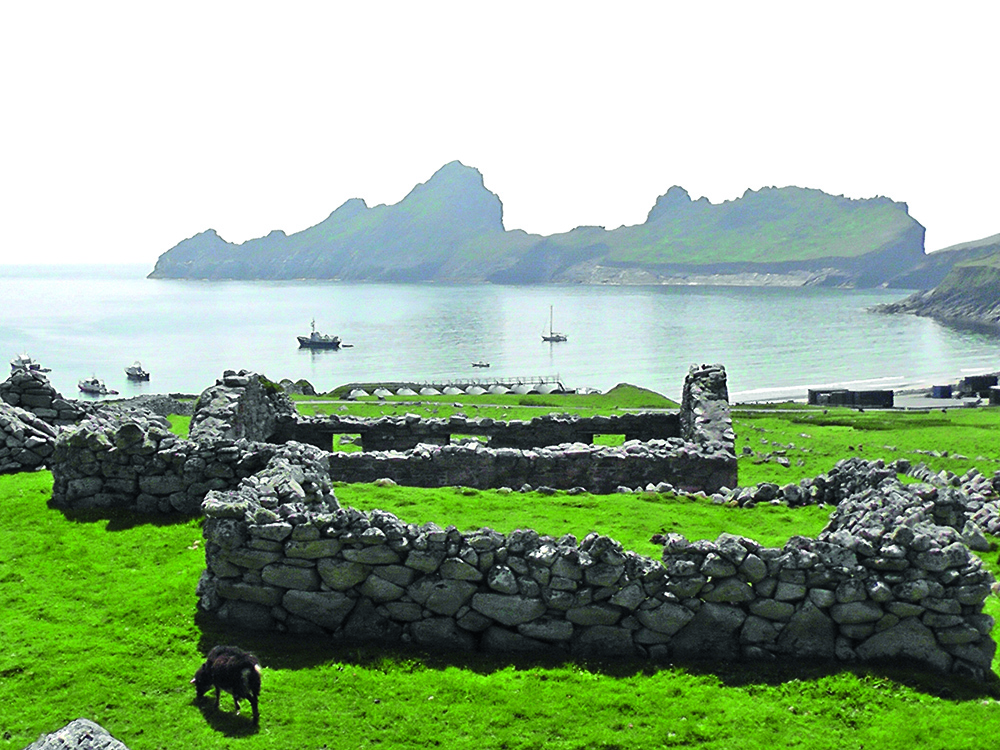
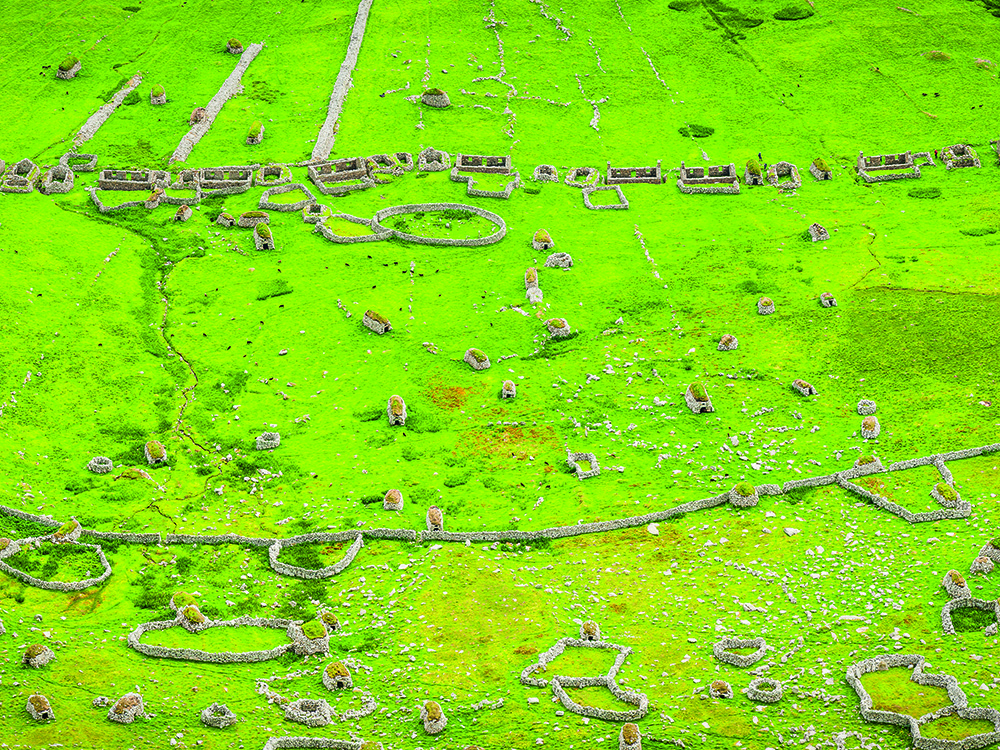
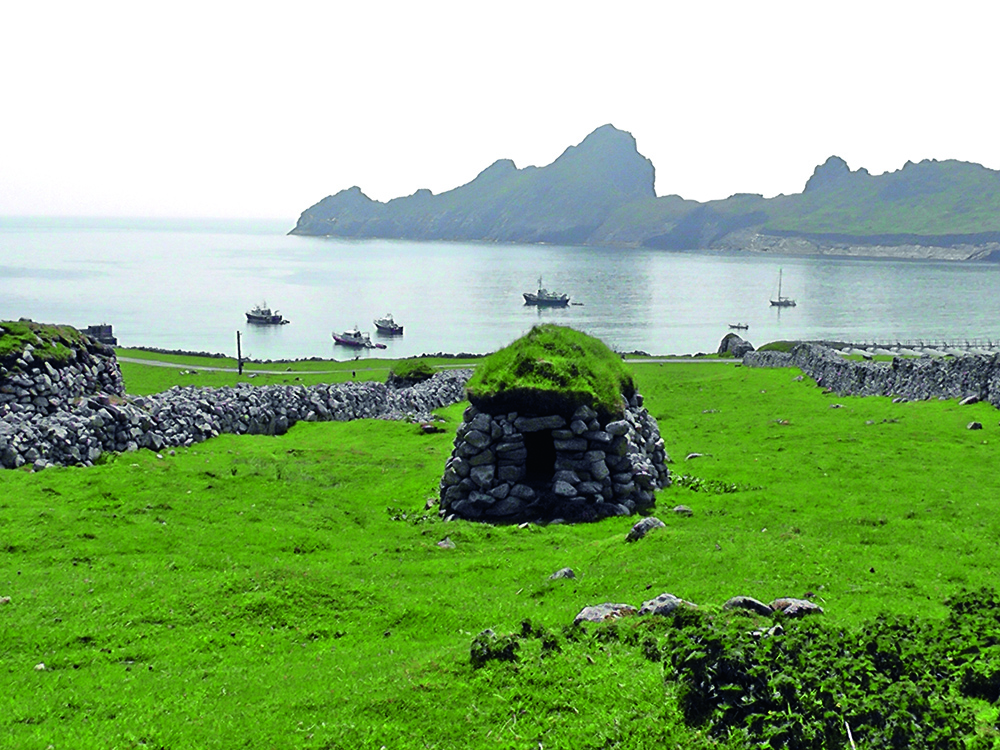
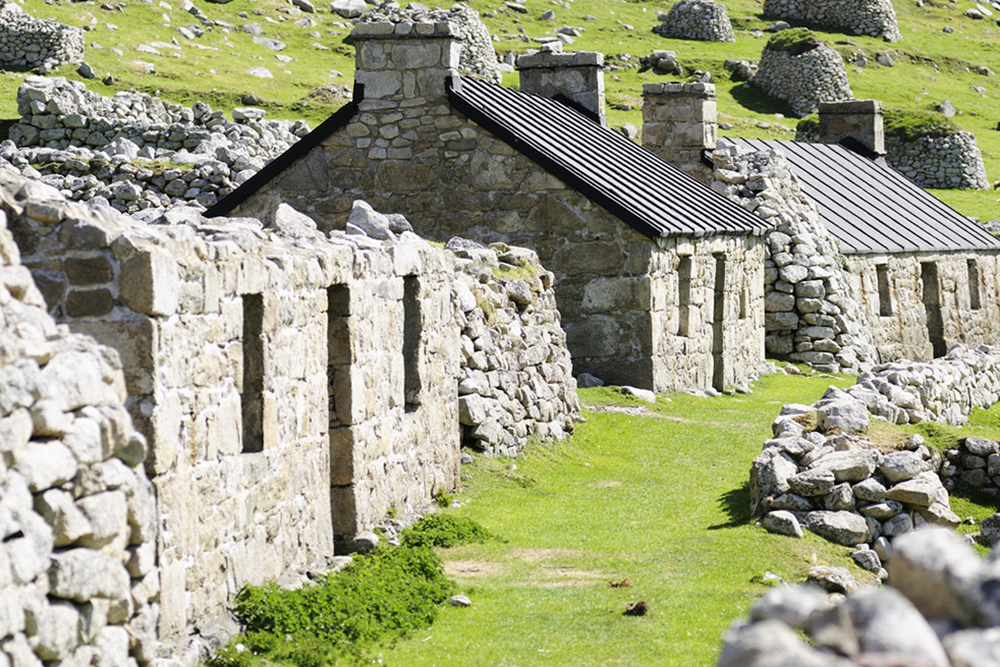
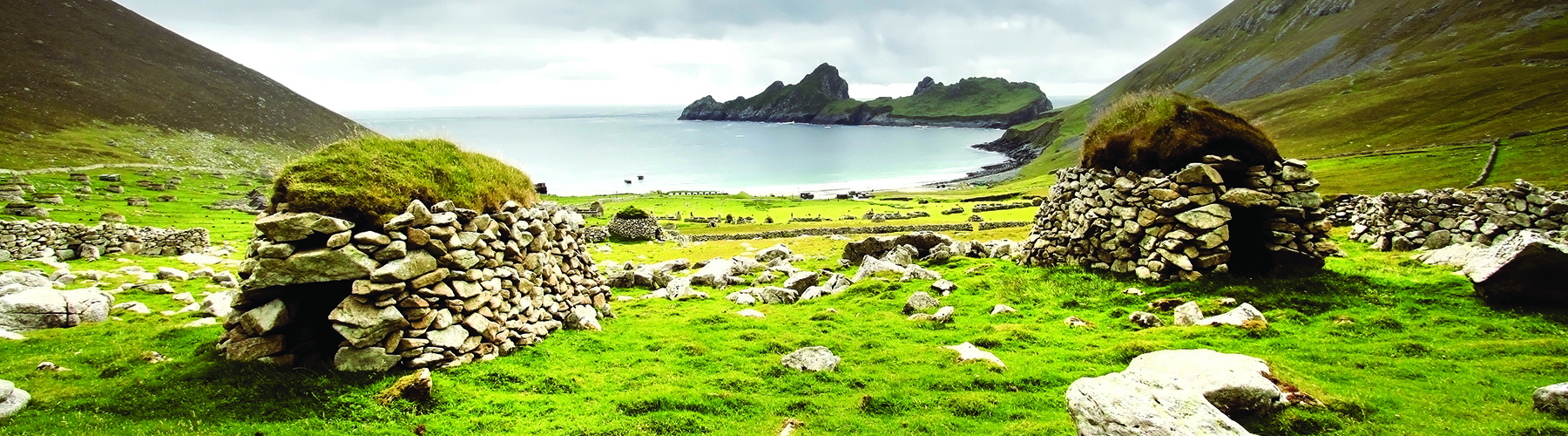
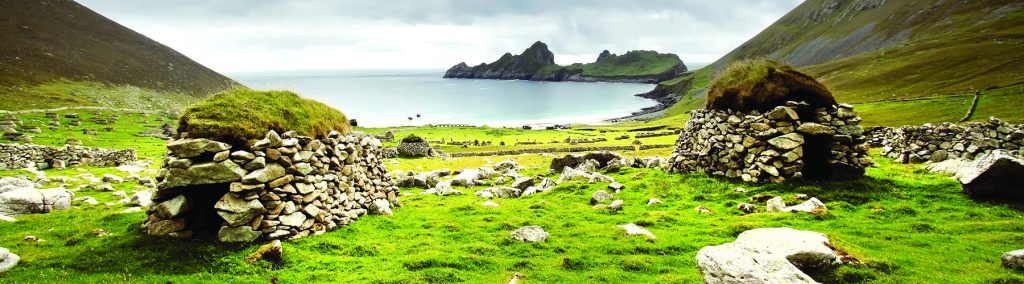
The St Kildians lived mainly on the native birds and their eggs, which they gathered and stored in specifically built stone structures named ‘cleits’. These stone structures are dotted all over the island and number around 1,400. A test of manhood for the young men was to scale the 1,300-foot cliffs searching for birds and bird eggs.
Life for the islanders was perhaps not as harsh as we would imagine. Fulmars and puffins were plentiful and formed the basis of their diet along with other seabirds and their eggs. The birds were stored as dried rolled meat in the stone cleits, and eaten as one would now eat a Cornish pasty. The islanders had few possessions and those they had, such as ropes, tables and chairs, were shared.
The island was evacuated by the population in 1930 and is now owned by the National Trust for Scotland. Prior to the evacuation, the island had been inhabited for at least 2,000 years, some suggest up to 4000 years. The weather and distance from the mainland meant that the inhabitants had remained largely undisturbed and isolated from the rest of the world. In the late 17th century, St Kilda supported 180 inhabitants. During the 18th and 19th centuries the population fluctuated but decreased overall, mainly as a result of disease and migration. In 1758 there were 88 islanders, while in 1841 a private census taken by a visitor counted 105 people. In the 1920s, deaths and migrations saw a dramatic drop to only 43 islanders in 1927.
In the late 1920s, the loss of able-bodied men made it hard for the community to carry on. When the number of able-bodied men fell to five, it was not enough for the community to survive and the population of 36 people were forced to evacuate, leaving the islands in 1930.