Biocide-free silicone antifouling paint tops European study

Chalmers-led research found biocide-free silicone antifouling paint performed best against hull fouling in Swedish, Danish and French coastal waters.
01 Jul

Edited July 1, 2026

Powerboat and RIB

Content by Powerboat & RIB

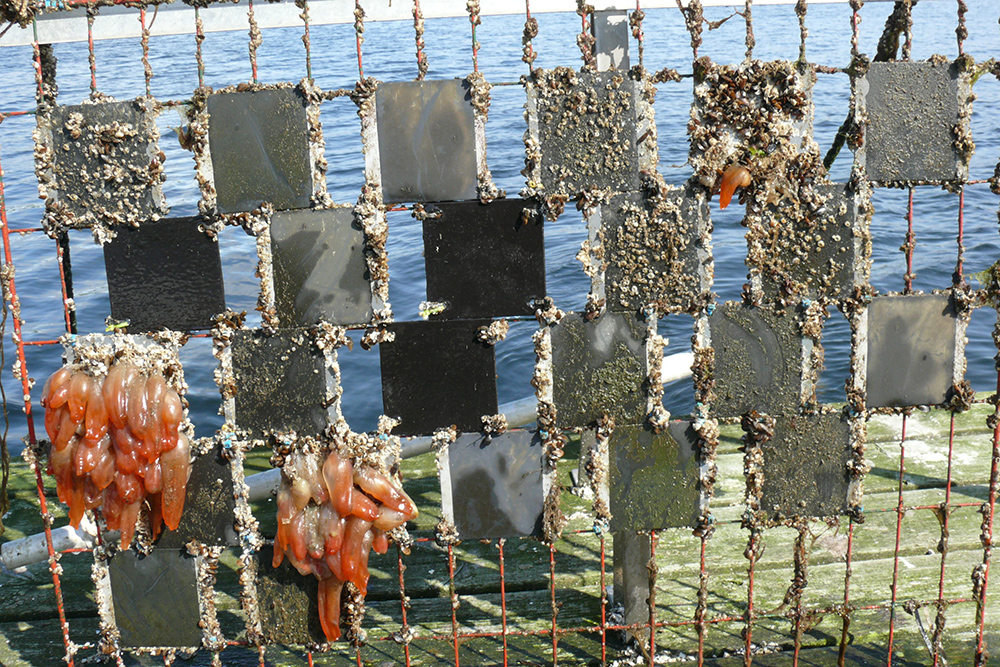
Antifouling paint test panels with marine growth on a harbour rig during coastal fouling research

Share this Article

Antifouling paint study compares copper and silicone coatings

A Chalmers University of Technology-led study has found that a biocide-free silicone antifouling paint performed best against hull fouling when compared with six other coatings in Swedish, Danish and French coastal waters.

The research tested seven antifouling paints on panels submerged for up to six months at Tjärnö in Sweden, Hundested in Denmark and Arcachon Bay in France. The locations were chosen to reflect different marine conditions, with fouling levels and dominant organisms varying between sea areas.


The goal of our study was to see how the environmental impact of antifouling paints can be reduced, while boat owners get the effect they want.

Maria Lagerström, researcher at the Division of Maritime Environmental Science at Chalmers and lead author of the new study

Silicone coating performs best against fouling

The paints tested included five cuprous oxide coatings with copper content ranging from 6 to 32 weight percent, one biocide-free silicone coating and one copper-free coating containing tralopyril and zinc pyrithione.

According to the study, the silicone-based biocide-free paint was the most effective overall, followed closely by the coating containing tralopyril. Among the copper-based paints, copper content was not found to be the deciding factor, with lower-copper coatings performing at broadly similar levels to those with higher copper content.

Toxicity findings raise concern

The researchers also assessed environmental impact. The silicone coating was not included in the biocide risk assessment because it does not contain biocides. Of the biocidal paints assessed, none met today’s environmental risk criteria, although lower-copper coatings fell below limit values in French waters.

The study found the tralopyril-based paint, which is marketed as environmentally friendly in some EU countries, had the highest environmental risk.

I’ve done this kind of environmental risk model before, but I’ve never seen such high values! The amount of biocide released was several thousand times higher than the acceptable levels, so I’m surprised that this paint is promoted as environmentally safe.

Maria Lagerström

Advertisement

MDL Marinas advertising MPU saying 'Out of Office' Switch off, Cast off, Save this summer

Lagerström said the results showed copper-free alternatives could be effective, but with very different environmental profiles. She described the silicone paint as the study’s strongest performer for fouling control and low toxicity.

For more information on the sustainability ranking of antifouling coatings for leisure boats – balancing efficacy and environmental impact, visit:

Main image copyright: Ann Larsson / University of Gothenburg

Join 8,000+ boaters who get our weekly Reader’s Bulletin

Get the latest from Powerboat & RIB Digital Boating Platform delivered to your inbox

• Reviews and features
• Breaking marine news
• Latest videos
• Events & show coverage
• Exclusive offers

Free. No spam. Unsubscribe anytime.

Powerboat and RIB

Powerboat & RIB

This content was created by the Powerboat & RIB editorial team.

Advertisement

MDL Marinas advertising MPU saying 'Out of Office' Switch off, Cast off, Save this summer
  • Nordkapp Noblesse 720 ad banner - Explore the Noblesse 720
  • Navan Boats website banner saying Boundless Versatility on the Water
  • Website banner advertisement for MarineTrac with Protect, Track and Recovery
  • Sterk Boats advertising banner for Strerk 31 T-Top powerboat
  • Nordkapp Enduro 830 advertisement banner

You might also like