
Crossing the Barents Sea in 5m Nordkapp boats: the 1970 Svalbard to Tromsø voyage

In 1970, two friends set out to cross 569 nautical miles of open Arctic water in 5m Nordkapp boats. 38 hours, two damaged propellers and a wrong heading from a suspicious Russian trawler crew but they made it - and the story still says everything about why Nordkapp boats are built the way they are.
06 Aug

Edited August 6, 2026

Powerboat and RIB

Content by PBR Partner

Advertorial

This article has been created in partnership with Frydenbo Marine

Frydenbo logo
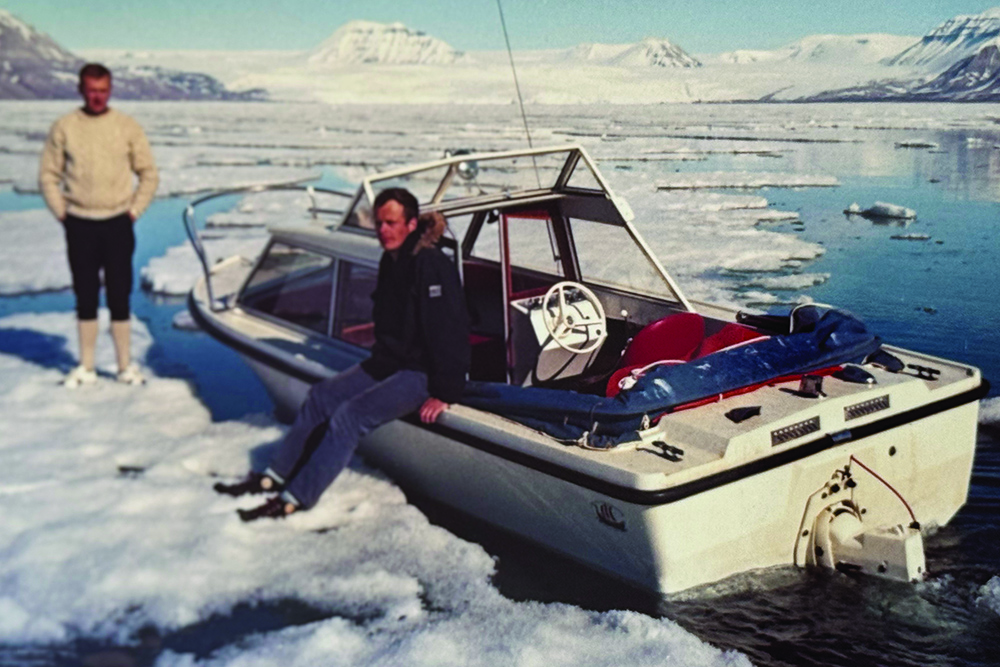
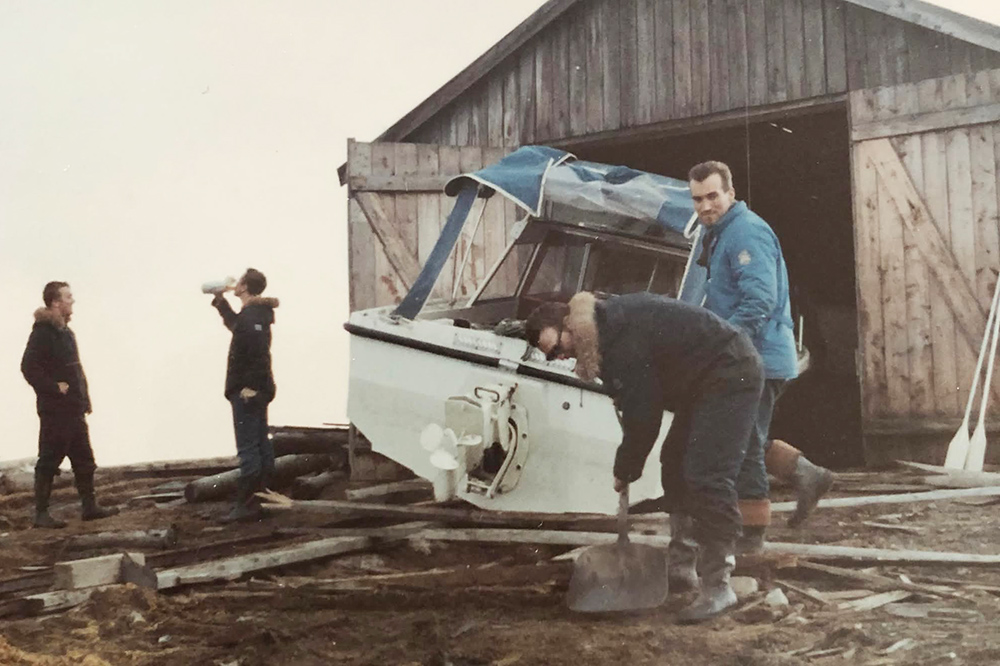
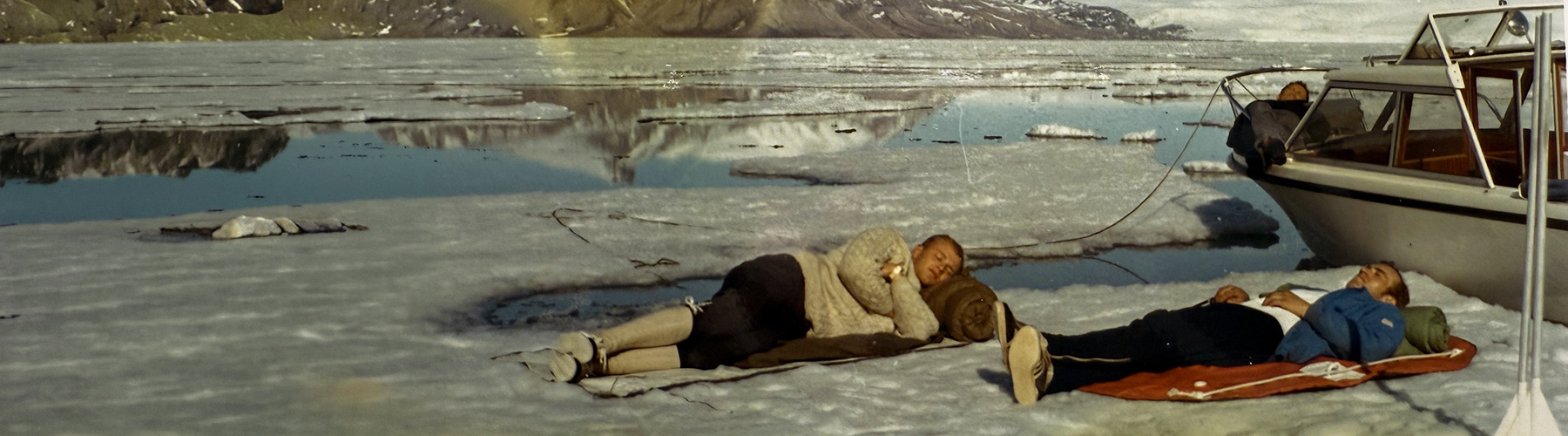
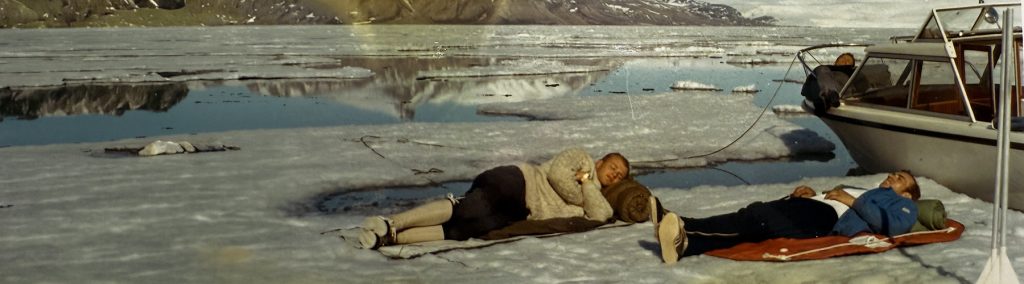
Archive photo of 3 men lying on ice sheets next to vintage Nordkapp in 1970

Share this Article

Powerboat and RIB
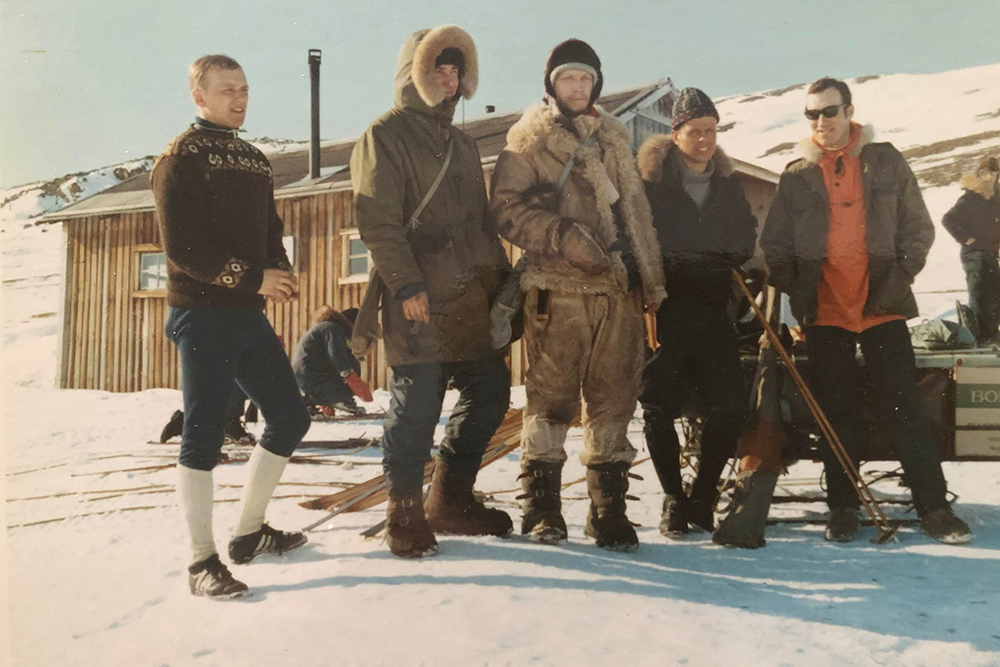
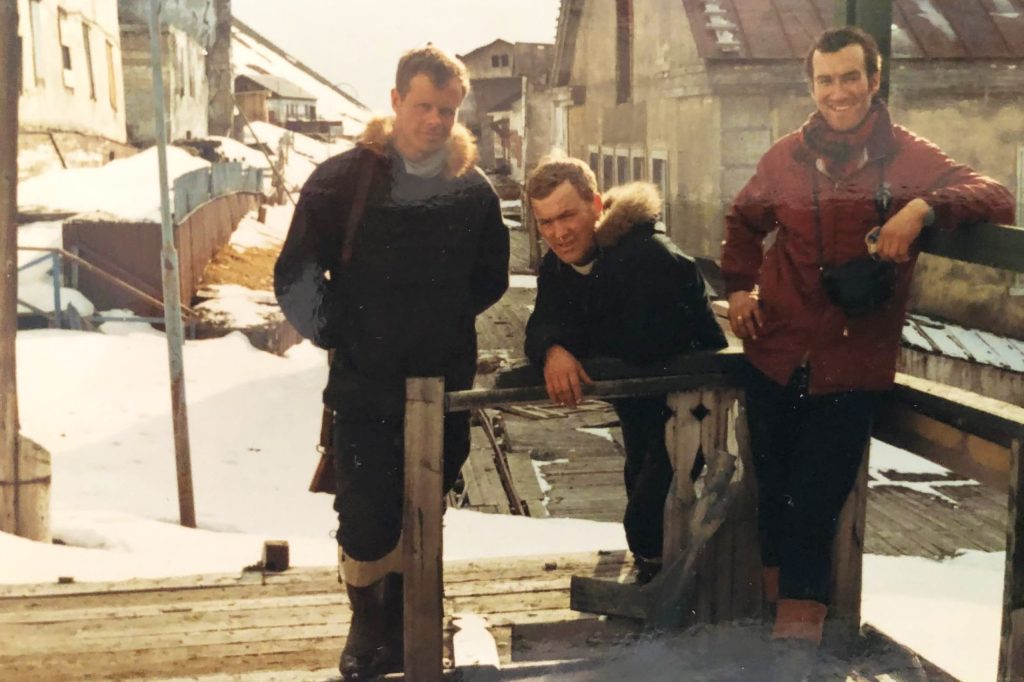
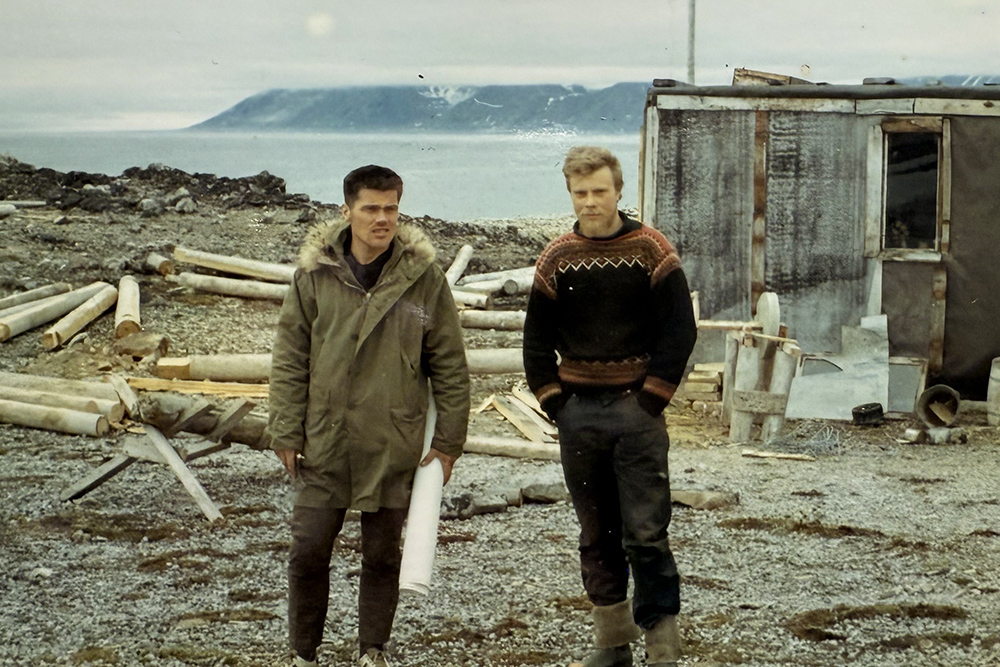
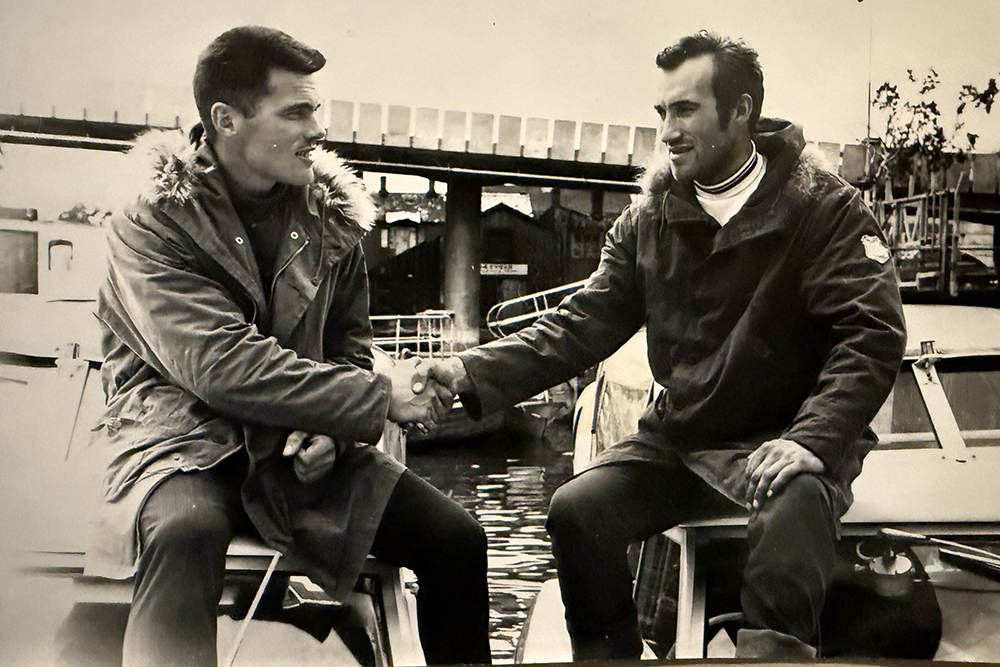
Harry Pedersen (left) and Bernt Salamonsen (right).
Powerboat and RIB
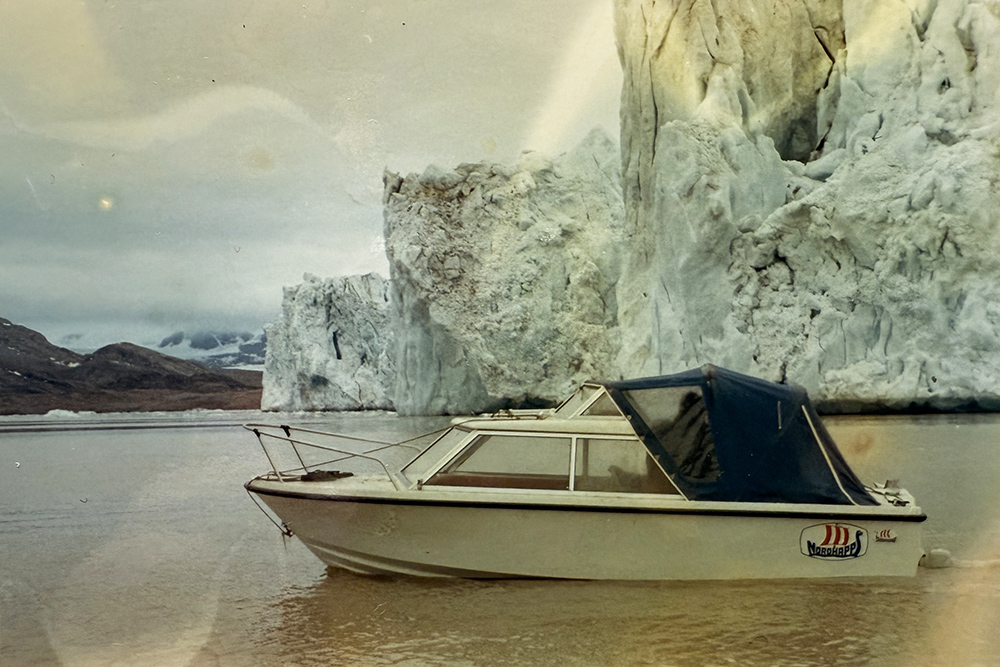
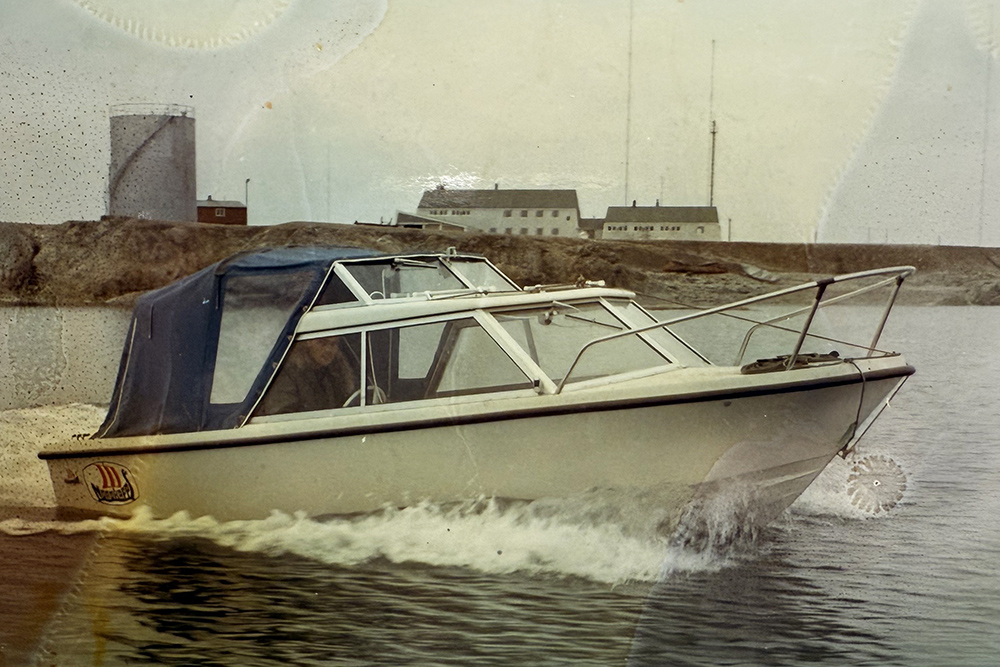
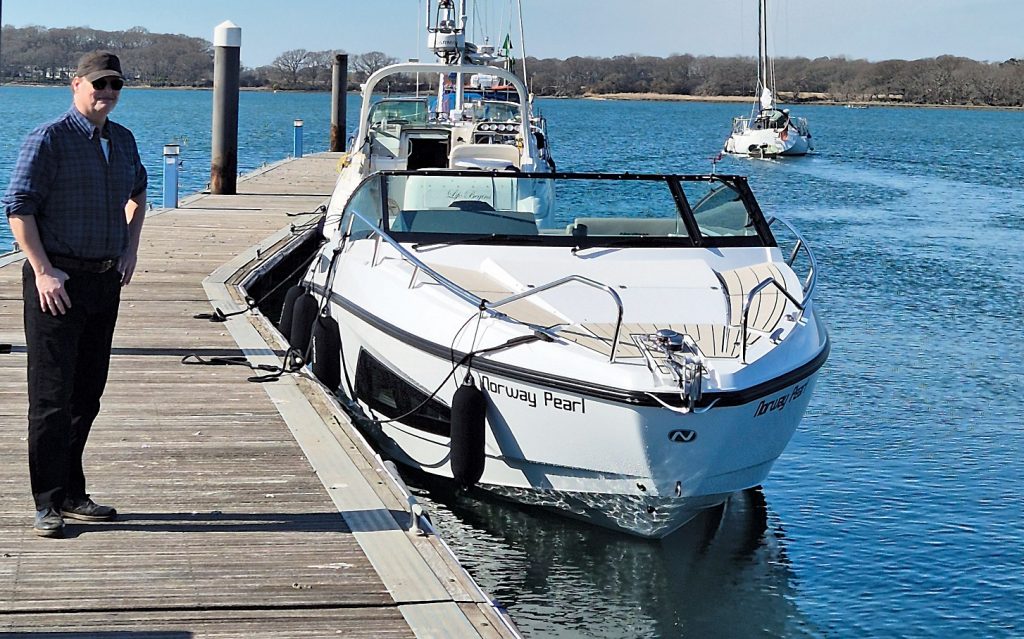
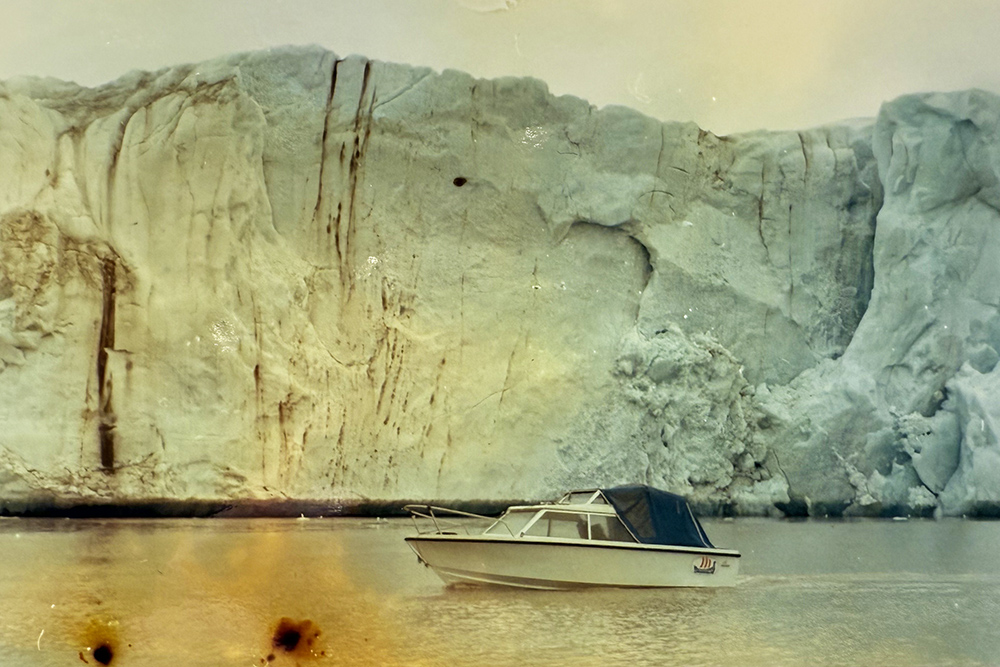
One of the two Nordkapp 5m 17HT Prince boats.

A 500 nautical mile crossing

The air carried the dry cold that belongs only to Svalbard, even in summer. Two young men stood beside their Nordkapp 17 HT Prince boats, each vessel only five metres long, looking small against the Arctic backdrop. Fog was slipping in from the sea.

But Bernt Salamonsen and Harry Pedersen were ready.

In the summer of 1970, they aimed to run more than 500 nautical miles from Svalbard to Tromsø. It was a journey that demanded nerve, judgement, and an unshakable belief in their boats.

For sixty years, Nordkapp owners have relied on that same confidence.
Powerboat and RIB
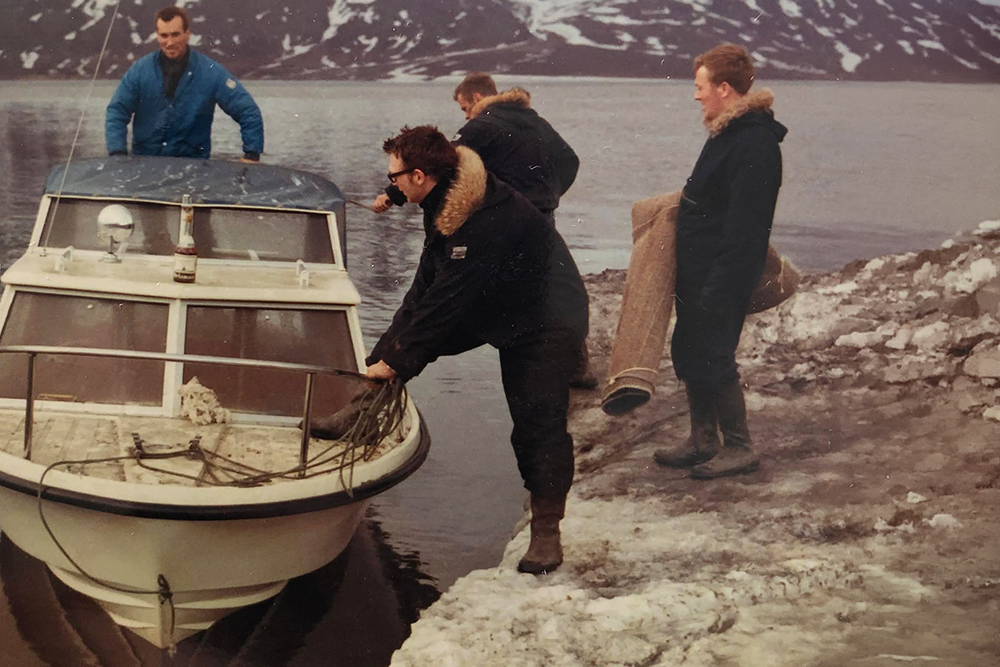
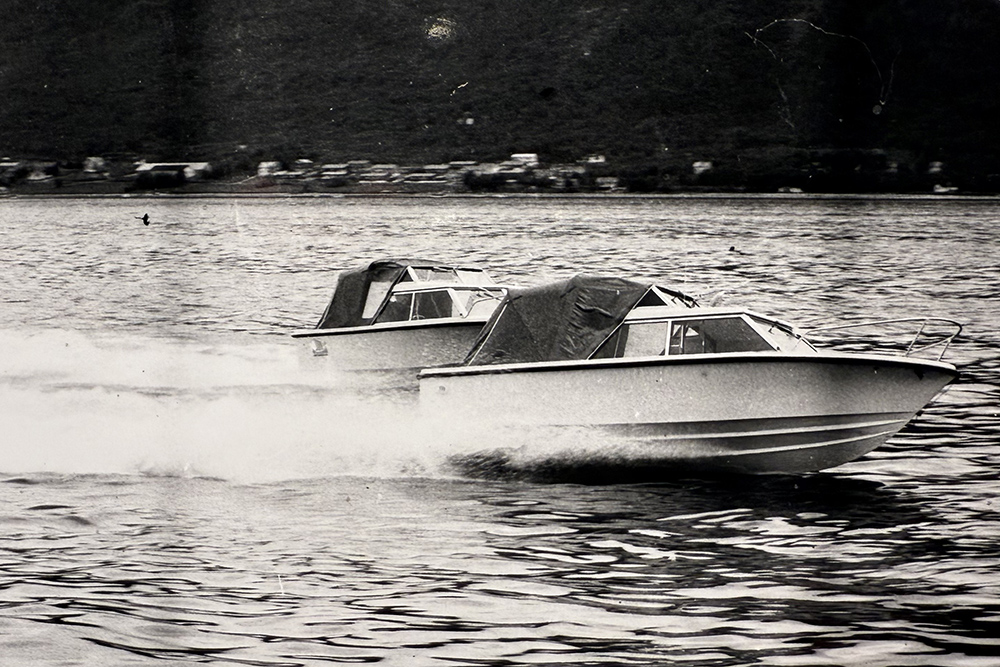
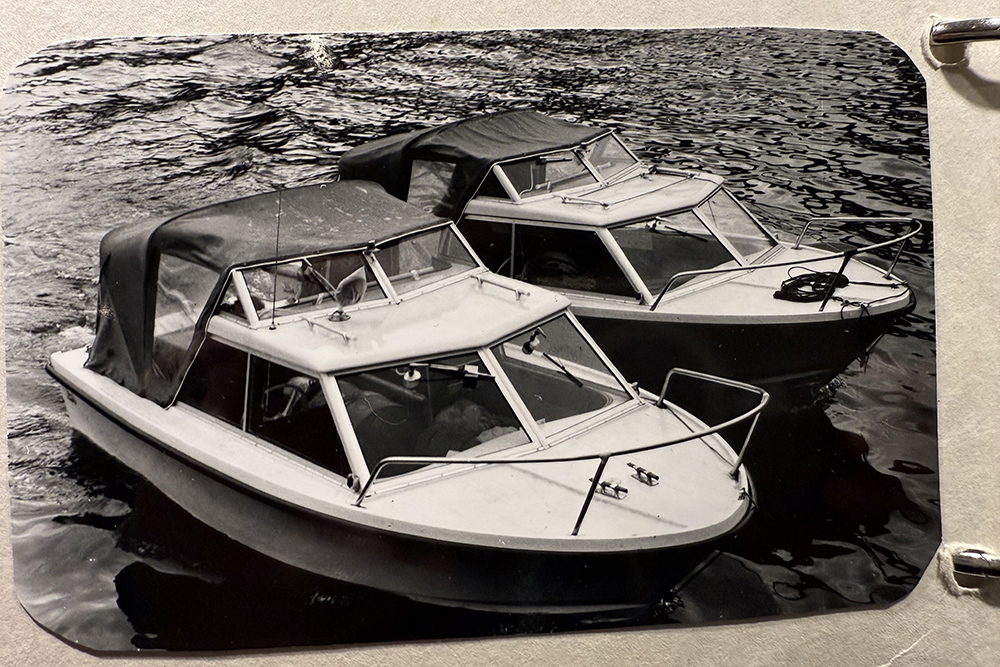
Both boats side by side, waiting for the off.

60 years of boats built for this

The same seaworthiness that got two men across the Barents Sea.

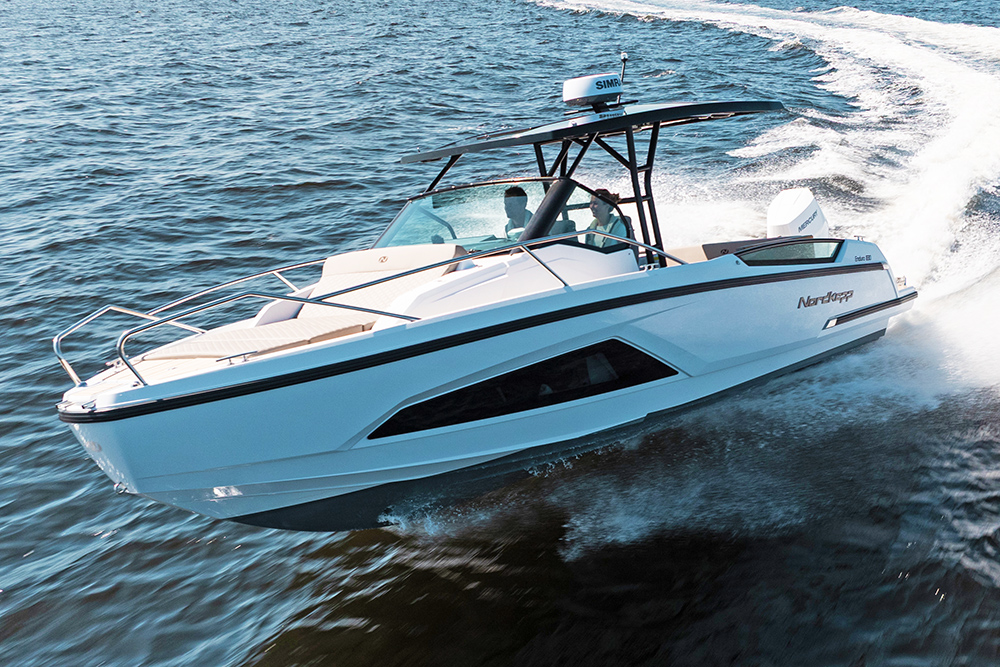
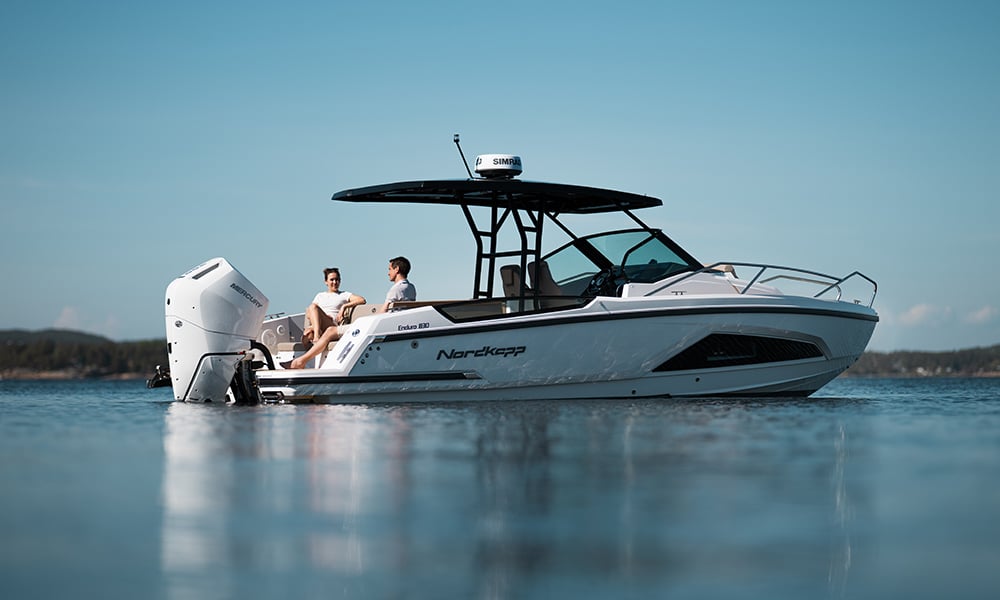
Drone view of Nordkapp Enduro 830 underway banking to starboard

How Salamonsen and Pedersen prepared for the crossing

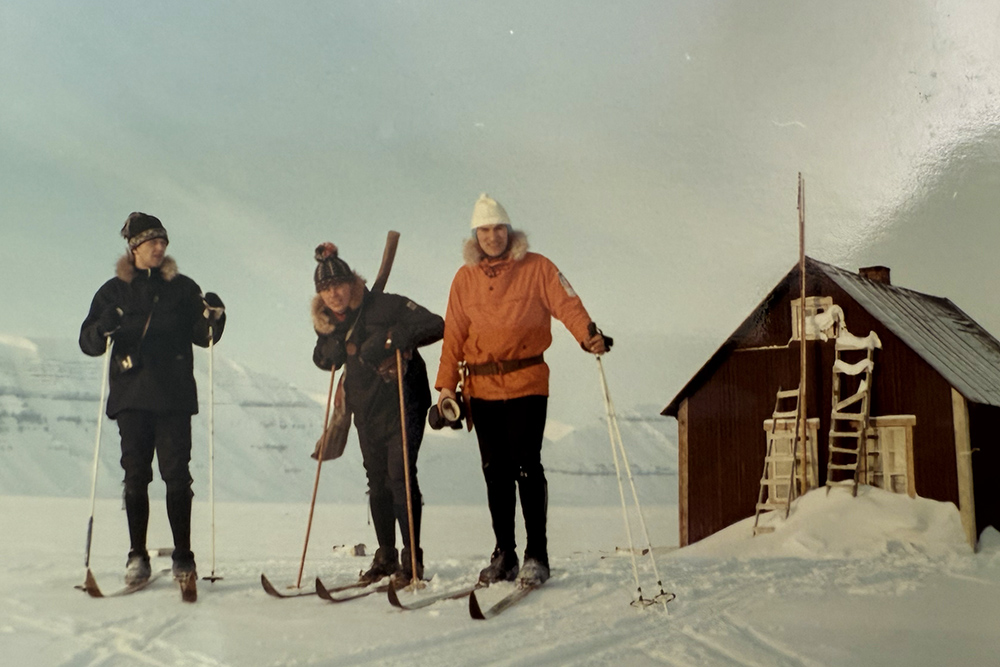
The two friends were no strangers to the sea. They worked in the mines on Svalbard and spent their free time fishing and hunting around the island. When their Nordkapps arrived the previous autumn, they lost no time preparing for the crossing, taking the boats out on long trips, testing them in rough conditions and pushing them until they understood exactly how each hull would behave.

They wanted the crossing to feel natural, not reckless.

Powerboat and RIB
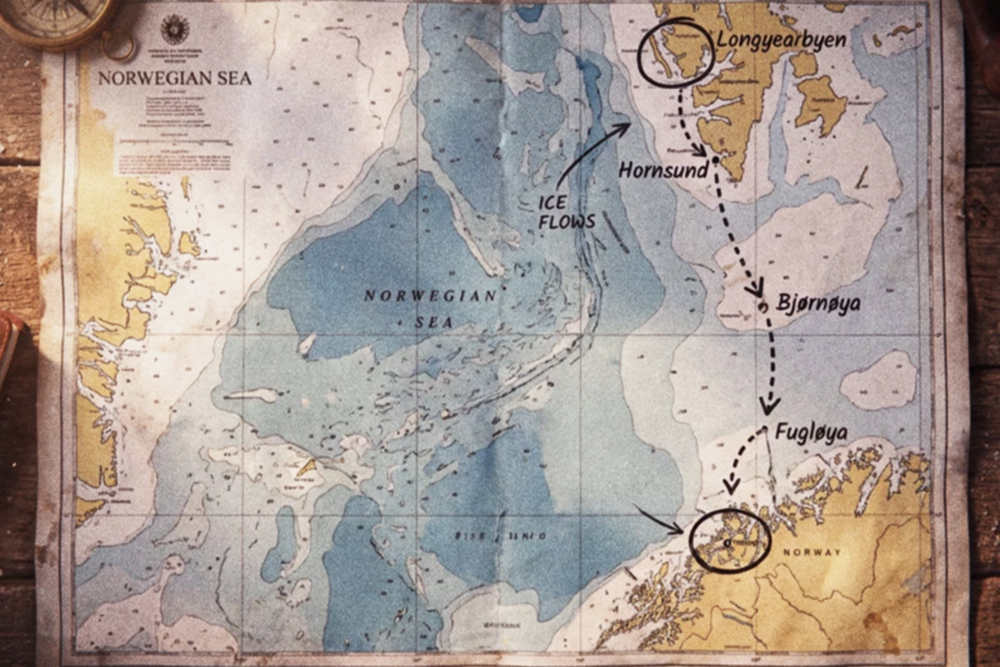
The route from Svalbard to Tromsø across the Barents Sea.

What route, fuel and equipment did the 1970 crossing require?

On paper, the plan was simple: run south to Bjørnøya, refuel, then continue to Tromsø.

In reality, little felt straightforward. Forecasts were unreliable, the open sea between Svalbard and the mainland offered no shelter, and the equipment available in 1970 was limited.

The coastal steamer Harald Jarl brought nine barrels of fuel north. Four were unloaded on Bjørnøya, an island roughly midway along the route, and the rest were delivered to Svalbard.

One boat had a 115hp engine and the other a 130hp engine, and both carried magnetic compasses, charts and electric wipers, though only one had a radio receiver.

Including an extra barrel lashed to the deck, each boat carried 270 litres of fuel, just enough, and after a 220-nautical-mile test run, the two men felt as ready as anyone could be.

Powerboat and RIB
Powerboat and RIB
Powerboat and RIB

Fog, ice and a damaged propeller in open water

They set off on the Thursday evening, stopping first at Svalbard’s final outpost to deliver mail to a local trapper.

Not long after departure, ice drifted across their path and they worked through it slowly, before fog rolled in and erased all sense of distance and direction. They waited it out at a radio station, but the next morning brought no change, so they pushed on regardless. Reaching the final outpost, Salamonsen clipped the bottom and damaged a propeller, forcing a repair on the water.

With the mail delivered, they left the relative shelter of Svalbard’s fjords for their first long stretch of open sea, with no shelter to be found before Bjørnøya.

Visibility improved as they continued south, but an hour later the fog returned, thicker than before. The wind picked up, churning the sea, and running the engines at 2,800rpm gave them no more than eight to ten knots.

Two hours into the open sea, Pedersen struck a log, bending two propeller blades, so they pulled it off, straightened it as best they could and carried on.

Ten hours later, with the wind still rising and the sea worsening, the two men, wrapped in grey with only the compass to guide them, spotted a trawler ahead. Its Russian crew, suspecting the pair were smugglers, brought them aboard. All Salamonsen and Pedersen wanted was to check their course, which was essential to the mission’s success, and after a lengthy exchange in four languages, the Russians gave them a heading, though it turned out to be wrong.

Back in their boats, the fog suddenly lifted a few hours later, revealing a problem: Bjørnøya lay beside them rather than ahead. Salamonsen later said they would have missed it entirely had the weather not cleared when it did.

“Ten hours later, with the wind still rising and the sea worsening, the two men, wrapped in grey with only the compass to guide them, spotted a trawler ahead. Its Russian crew, suspecting the pair were smugglers, brought them aboard.”

Powerboat and RIB

Built for seaworthiness for 60 years

Fancy your own Nordkapp?

Drone view of Nordkapp Enduro 830 underway banking to starboard

“Imagine being a mere dot in the open sea, eight hours from the mainland, watching your only lifeline fade across the horizon while you fight an endless wall of waves.”

Powerboat and RIB
Powerboat and RIB

Refuelling at Bjørnøya and racing to keep pace with Harald Jarl

They reached Bjørnøya on Saturday morning, after a slow grind shaped by weather, repairs and long hours without a clear horizon, and it was an essential stop to refuel both men and boats.

The rest did not last long: heavy swells rolled in and one boat tore free, washing ashore, before the other Nordkapp pulled it back into the water. The damaged propeller was replaced and the hull checked as best as possible.

When the weather report looked acceptable, they set off again, but the sea had other ideas. Wind pushed in from the open Arctic, the waves steepened, and the two men were forced to turn back.

The next morning, the coastal steamer Harald Jarl arrived at Bjørnøya to collect a passenger, and Salamonsen and Pedersen jumped from their bunks into their boats and set off in its wake.

For sixteen hours they tried to keep pace with the ship, at times losing sight of it entirely as the waves grew. Imagine being a mere dot in the open sea, eight hours from the mainland, watching your only lifeline fade across the horizon while you fight an endless wall of waves.

Fortunately, the ship’s captain was determined to keep them close: when contact was lost, he waited, and when the men needed to refuel in open water, he brought the ship to a complete stop.

For the passengers aboard, it became an unexpected spectacle, and they found themselves part of a grand adventure. The hours passed, and slowly the mainland took shape. When the sea finally settled, the two men eased out of the ship’s wake, raised a hand in thanks to the crew, and continued towards Tromsø.

Powerboat and RIB
Powerboat and RIB

Reaching Tromsø after 38 hours and 569 nautical miles

After thirty-eight hours at sea and 569 nautical miles, the two Nordkapps reached Tromsø on Monday morning, having burned more than a thousand litres of fuel between them.

They stepped onto the pier in quiet relief, and when asked later about the danger, they gave a simple answer:

“These boats are so seaworthy that there is no danger, as long as the engine keeps running.”

Powerboat and RIB
Powerboat and RIB
Powerboat and RIB

What happened to Salamonsen and Pedersen after the crossing?

While little is known about what became of Harry Pedersen, Bernt Salamonsen spent the rest of his days on the water. He made his living transporting people and goods by sea, became a recognised figure in Norwegian kayaking circles, and passed his love of the water on to his children.

He even named one of his sons after the man who had sold him the Nordkapp used for the crossing.

Today, his son Thomas keeps the tradition alive at the helm of a vintage Nordkapp Sport 16.

The 1970 crossing stands as testament to the seaworthiness of Nordkapp boats, refined continuously over six decades, and a reminder of how far skill and quiet resolve can carry two men and their boats.

A warm thank you to the Salamonsen family (Johanne Salamonsen, Bernt Øystein Salamonsen and Thomas Salamonsen) for sharing their memories and helping preserve this chapter of Nordkapp history.

Explorers of the sea for 60 years

Would you like to find out more?

Drone view of Nordkapp Enduro 830 underway banking to starboard

You might also like