RNLI launches Float to Live campaign as Gen Z underestimate coastal risk

RNLI research suggests Gen Z are taking coastal risks, prompting fresh Float to Live safety advice ahead of a busy summer by the water.
22 May

Edited May 22, 2026

Powerboat and RIB

Content by Powerboat & RIB

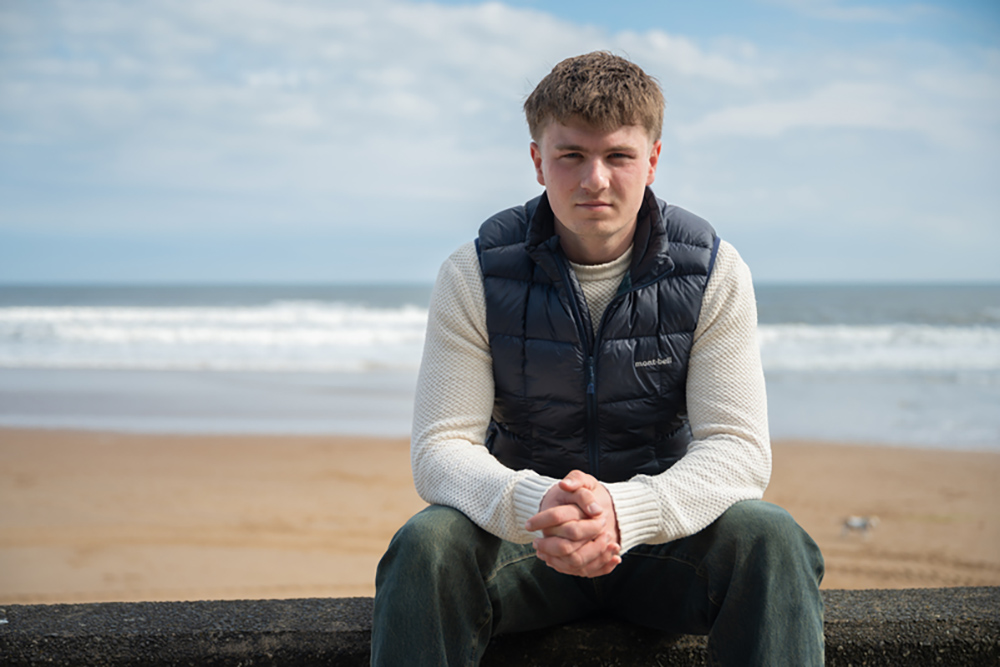
Young man sitting on a beach wall with surf behind.

Share this Article

Gen Z coastal risk highlighted by new RNLI data

The RNLI has launched its latest Float to Live campaign after new research suggested that Gen Z significantly underestimate the risks of open water and the coast. 

In 2024, there were 193 accidental drowning fatalities in the UK, with males accounting for 84% of deaths. Males aged 20 to 29 were the highest group for accidental drowning fatalities, with more 20-29-year-olds drowning in 2024 than any other age group. 

RNLI survey results showed that 44% of Gen Z believe they are not as likely as their friends to get into trouble in the water. Some 37% said they would stand close to the edge of open water for a good photo, compared with 27% of all other respondents. 

A further 26% said following safety rules would spoil their enjoyment of open water, while 28% said they would not want to seem overly cautious in front of friends. However, 96% of Gen Z said being safe around water was important to them. 
Float to Live advice for summer

The campaign was launched at The Wave in Bristol, an inland surf location that simulates real waves. The RNLI estimates that 48.97 million people will visit the coast at least once this summer.

These figures clearly tell us that whilst young people are open to taking risks at open water and the coast, they wouldn’t know what to do if they get into trouble in the water. 

We know that there will be a huge amount of people visiting open water and the coast over the coming months and we want everyone to remember our Float to Live advice. Instinctively, most people who find themselves struggling in the water will begin to panic, swim, or thrash about. 

We’re urging people to ignore this instinct and remember to float: Tilt your head back, with your ears submerged. Relax and try to breathe normally. Move your hands and legs to help you stay afloat if you need to. It’s fine if your legs sink – we all float differently. By doing this, you give yourself the chance to rest and recover your breathing. Once you’ve regained control of your breathing, you can call for help or swim to safety.

Emmie Seward Adams, Water Safety Delivery Support, RNLI
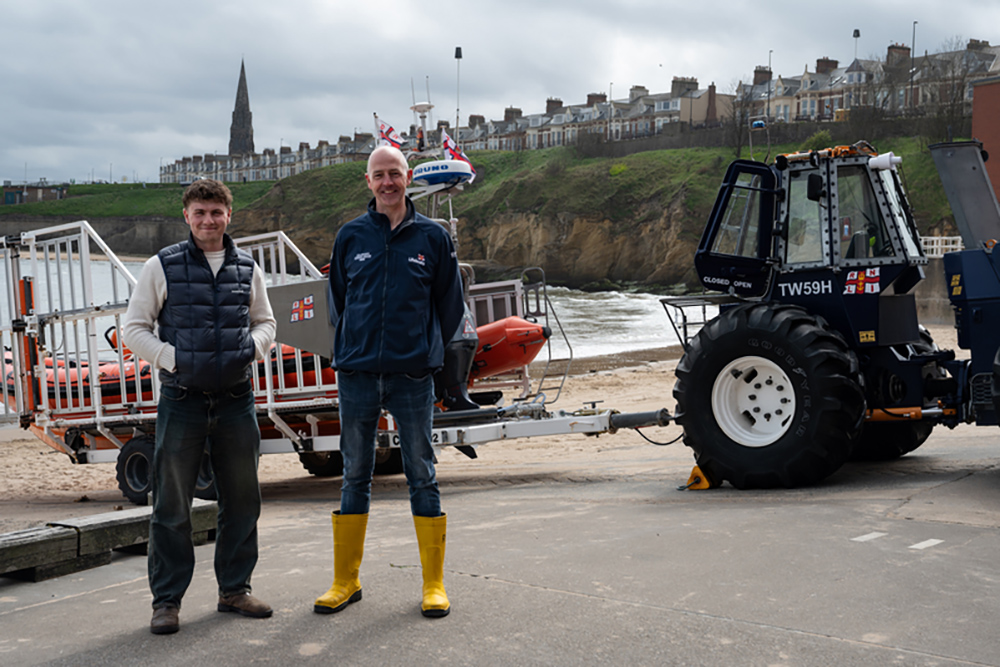
Two men beside an RNLI lifeboat and launch tractor at the coast.

Advertisement

Trailer Boating from MDL advertisement

The advice helped save Euan, 22, and his brother Andrew, 20, after they were caught in a rip current at Longsands beach last summer. 

For more information on how to float to live, visit:

Join 8,000+ boaters who get our weekly Reader’s Bulletin

Get the latest from Powerboat & RIB Digital Boating Platform delivered to your inbox

• Reviews and features
• Breaking marine news
• Latest videos
• Events & show coverage
• Exclusive offers

Free. No spam. Unsubscribe anytime.

Powerboat and RIB

Powerboat & RIB

This content was created by the Powerboat & RIB editorial team.

Advertisement

Trailer Boating from MDL advertisement
  • Nordkapp Enduro 605 MPU advertisement
  • Nordkapp Enduro 830 advertisement banner
Advertisement for Navan boats, saying Engineered to perform

You might also like