
Should you keep your boat in the water over winter? Pros, cons and tips

Lift out for winter storage and use the downtime for maintenance and upgrades, or stay in the water and keep boating? We weigh up both options.
22 Oct

Edited October 22, 2026

Powerboat and RIB

Content by Hugo Montgomery-Swan

Sponsored

This article is editorially produced by Powerboat & RIB in partnership with Visicover

Powerboat and RIB
Powerboat and RIB

Share this Article

Ashore or afloat: which winter option suits you?

When the season winds down, every owner faces the same choice: take the boat out of the water for winter storage, or keep it afloat for winter trips. The late Alex Whittaker, a Powerboat & RIB contributor, tried both, laying his cuddy boats up at home before keeping his Bayliner 245 afloat all year at Deganwy Marina in North Wales. The right answer depends on your boat, your berth, your budget and how often you really expect to use it. Whichever you choose, don’t forget to also talk to your insurer before the season ends.

Powerboat and RIB
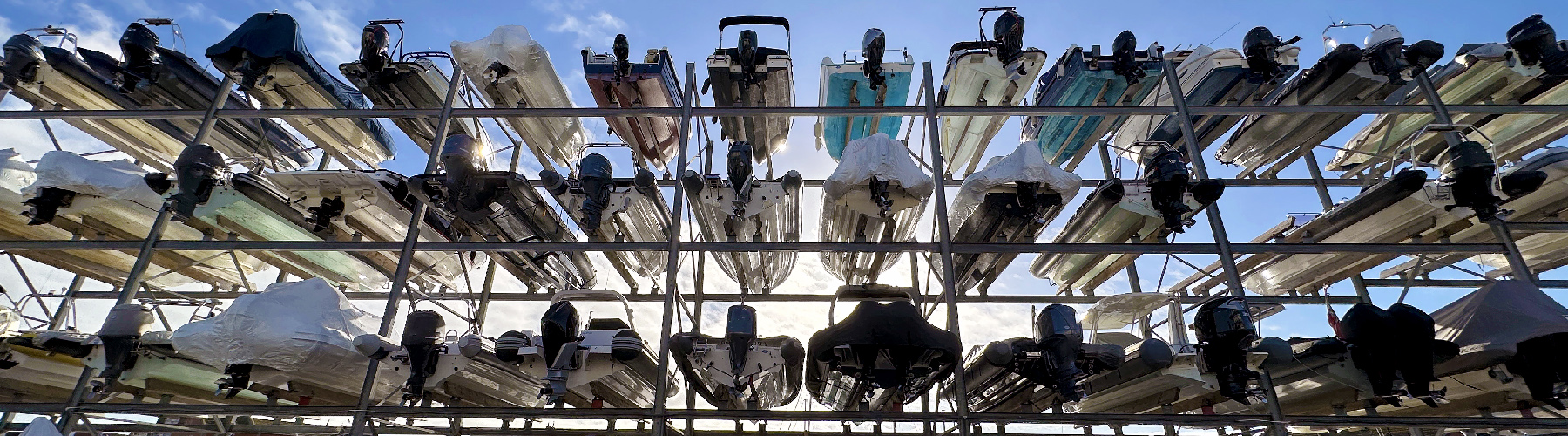
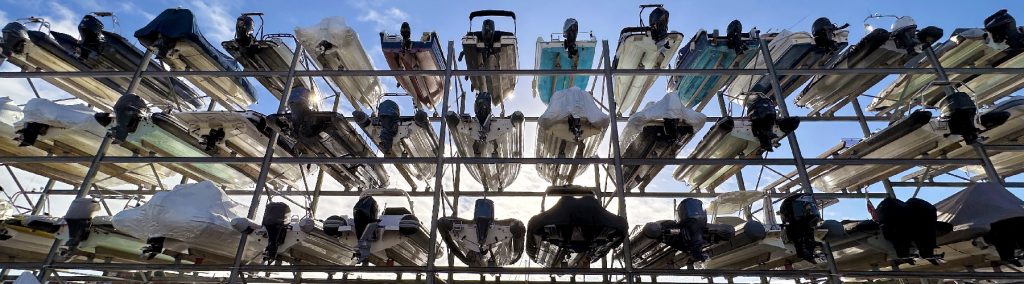
Dry stack storage is a great way to keep your boat safe over winter.

Option 1: Taking your boat out of the water for winter storage

Laying up on hardstanding, in a dry stack, in indoor storage or on a trailer at home keeps the boat out of harm’s way when the weather is at its worst, with no risk of chafed lines, pontoon damage or sinking at its berth. It also gives you months of easy access to every part of the boat.

Is your boat insurance flexible?

With marine insurer Visicover, you can manage your cover online in real time. That makes it easy to update your policy as your plans change, whether you are laying up, adding new equipment or moving to a winter storage site, and again when your boat goes back in the water.

Powerboat and RIB
Powerboat and RIB
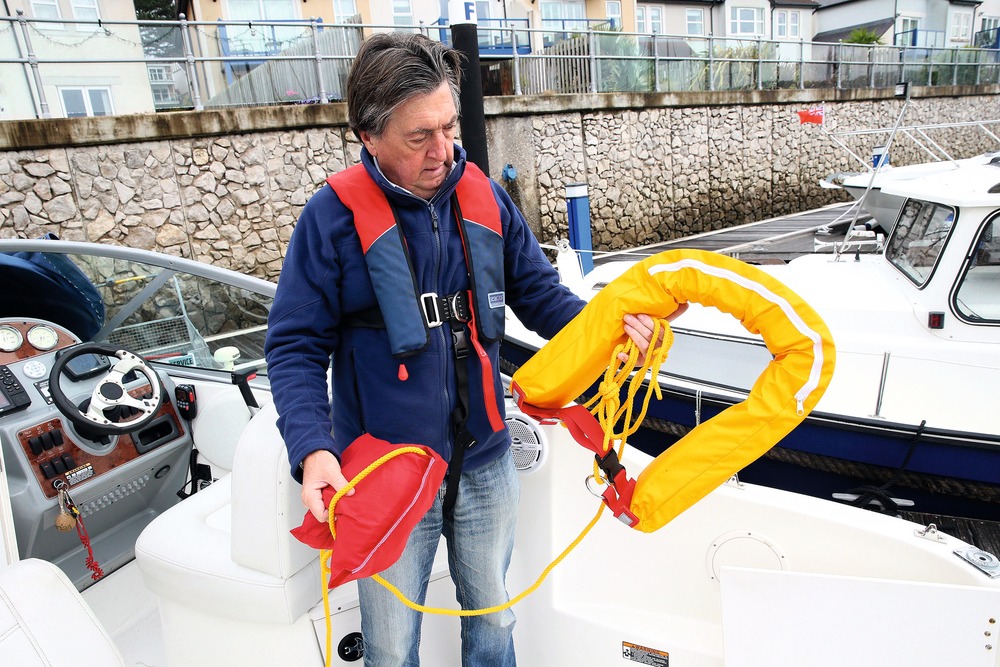
Alex used the end of season as a good time to check through all his safety equipment.

What maintenance and upgrades can you do over winter?

With the boat ashore, you can pressure wash the hull, check the gelcoat, renew the anodes and antifoul ready for spring. Propellers, shafts, sterndrive bellows, seacocks and through-hull fittings are far easier to inspect out of the water, and RIB tubes can be cleaned, checked and repaired.

Winter is also the time for upgrades, from a new MFD, radar or AIS to better batteries, fresh upholstery or a repower. Check all safety equipment such as flares and lifejacket gas cannisters, which may need replacing. Book yards and engineers early, and tell your insurer about any new kit so your investment is covered from the day it is fitted.

Powerboat and RIB
When retrieving your vessel, pressure wash and thoroughly prepare for winter storage.

How do you lay up a boat for winter?

Winterise the engine. Follow the manufacturer’s lay-up procedure, or have an engineer do it alongside the end-of-season service. Drain fresh water systems and grease the steering and throttle cables.

Look after batteries and kit. Clean the terminals and keep the batteries on a smart charger. Take lifejackets and safety gear home to dry storage.

Cover, drain and secure. Use a breathable cover and make sure rainwater runs off rather than pooling. On a trailer boat, take out the bung and raise the bow. Lock up outboards and trailers, check trailer tyres, bearings and lights, and leave the handbrake off where it is safe to do so, as salt can make brakes seize.

The downsides are lift-out and storage fees, the time spent winterising and recommissioning, and no winter boating. For more on laying up, read our article To winterise or not – that is the question!

Powerboat and RIB

Elena Leonova / istock

Check your insurance to make sure you are covered for the winter option you choose.

What should you check with your insurer when you lay up?

Some policies include a laid-up period, so check what yours says and let your insurer know your plans. Tell them about upgrades or a new engine, check how you are covered while the boat is in a yard or being worked on, and confirm your cover at the storage site and on the road. Insurers may also set security conditions, such as approved locks for outboards and trailers.

Ashore or afloat, make sure your cover keeps pace with your winter plans

Visicover lets you manage your boat insurance online in real time, from laid-up periods and cruising areas to new equipment and a change of mooring.

Visicover advertisement MPU

Option 2: Keeping your boat in the water for winter use

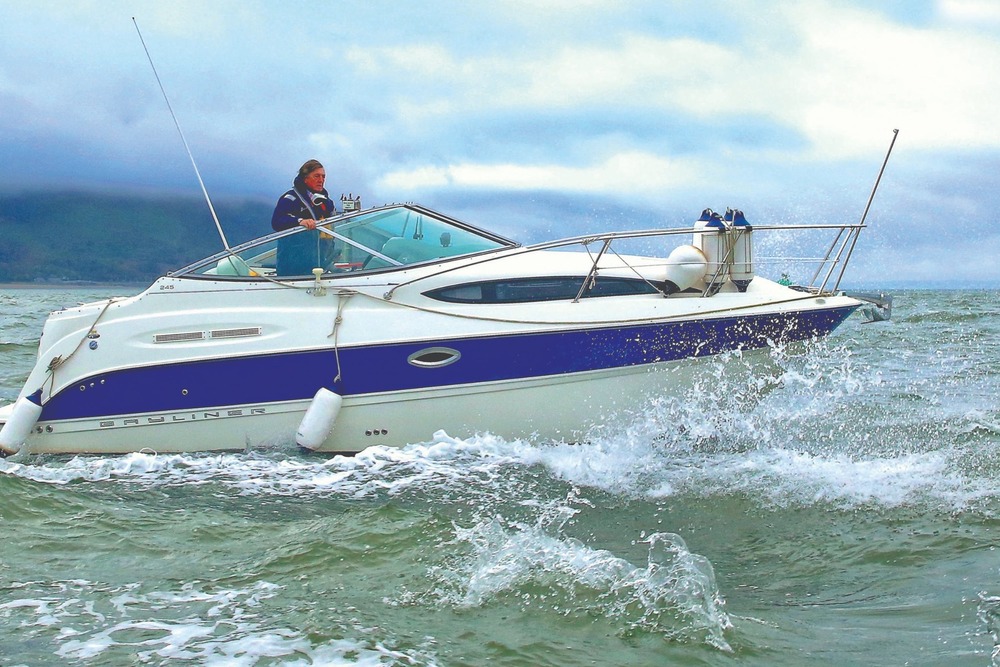
A boat kept in commission needs no winterising and can be ready for sea at ten minutes’ notice. When a crisp, calm day turns up in January, you simply drive down and cast off, often onto flat, quiet water. Regular use also means fewer seized parts. Alex spent around three days a month aboard every winter.

The trade-offs are exposure to gales, frost and damp, a hull that still needs antifouling, and the cost of a 12-month berth and shore power. Ask your insurer to confirm your policy covers winter use afloat and that your cruising limits suit your plans, and remember that insurers expect reasonable care of a boat left afloat. Check your marina contract too. Many offer 12-month deals that mix time afloat with a spell on the hardstanding for maintenance.

Powerboat and RIB
Alex spent around three days a month aboard every winter.

Out of season boating can be so rewarding.

How do you prepare a boat for winter afloat?

Moor for storms. Double up your lines with thicker winter ropes, use every cleat, fender both sides and the stern, and check for chafe after every blow.

Plug into shore power. Almost everything else depends on it. If your boat is not wired for it, a portable hook-up unit with RCD protection will do the job.

Beat damp and frost. A desiccant dehumidifier copes well in a cold cabin, and wireless sensors will alert your phone if humidity climbs. Alex kept his engine bay frost-free with two 60W tube heaters on a thermostat set at 4°C.

Protect the batteries and bilge. A multi-stage smart charger keeps both banks topped up, and an automatic bilge pump wired to bypass the battery isolator is cheap insurance while you are away.

Keep the tank full. Less air in the tank means less condensation, which matters more with E10 petrol.

Powerboat and RIB
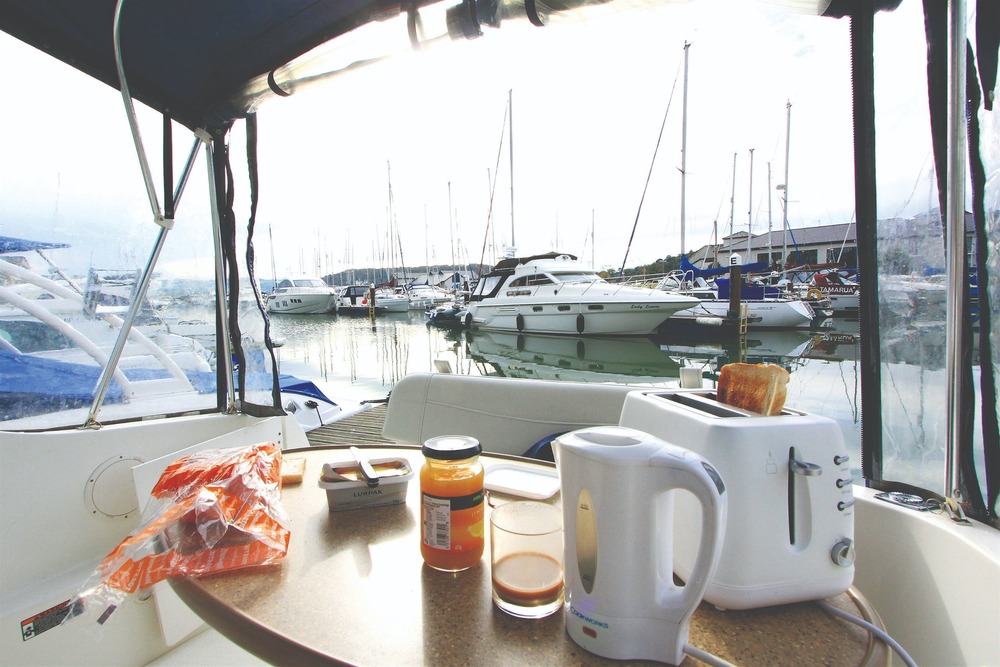
Make sure you have breakfast on board!

How do you stay warm and safe on winter trips?

Dress in layers under your lifejacket, with gloves, a snood and proper boots. Aboard, a thermostatic fan heater on shore power gives dry, simple heat, while any fuel-burning heater should be professionally installed, with a carbon monoxide alarm made to BS EN 50291-2.

Keep trips short and local, head home with daylight to spare, cruise in company where possible, keep MOB gear on deck and tell someone ashore your plans. For more ideas, see our guide to winter boating.


Based on an original feature by Alex Whittaker, first published in Powerboat & RIB issue 167 in 2021. 

Frequently asked questions about winter boating

Join 8,000+ boaters who get our weekly Reader’s Bulletin

Get the latest from Powerboat & RIB Digital Boating Platform delivered to your inbox

• Reviews and features
• Breaking marine news
• Latest videos
• Events & show coverage
• Exclusive offers

Free. No spam. Unsubscribe anytime.

Powerboat and RIB

Hugo Montgomery-Swan

Editor | Powerboat & RIB

You might also like