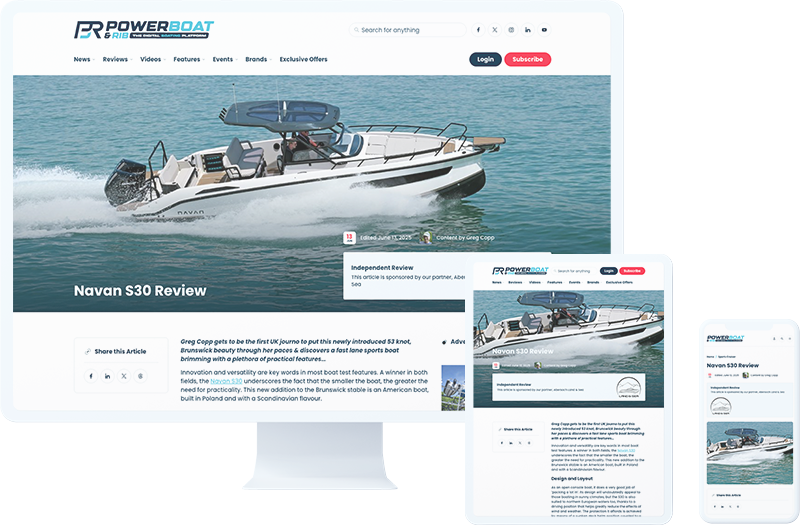

Blue Water Giants to play Isle of Wight and Lymington Royal Yacht Club in November
Blue Water Giants, the band led by keen boat owner and former Procol Harum organist Josh Phillips, play Strings on…
Advertisement
The introduction of 95 octane E10 petrol at UK forecourts is aimed at cutting transport CO2 emissions by 750,000 tonnes a year – the equivalent of taking 350,000 cars off the road. This move will reduce overall CO2 emissions, so crucial in the fight to combat climate change, though this will have little impact on emissions associated with air quality and public health.
How will this impact upon the boating community? Not much, to be blunt, as most, though not all, marine petrol engines will be unaffected. So who will be impacted? Well, we are told that ‘most’ cars since 2011 are unaffected, while some built between 2000 and 2011 will not be too happy with the 10% ethanol now added to petrol, and most manufactured before the mid-90s will not be suitable. The RAC estimates that 600,000 cars in the UK will be unsuitable.
For the modern outboard user, this means nothing, but some of the earlier petrol sterndrive engines made by Volvo and MerCruiser will not be compatible with E10. For example, the Gen IV big-block Chevvy engine block used by MerCruiser and Volvo for their 7.4L sterndrive packages in the early to mid-90s were actually manufactured back in the 1980s. The older, smaller 5.7L MerCruiser and Volvo sterndrives will potentially be unsuited to E10, depending on their age. This is a grey area, as the government can’t provide a rock-solid guide regarding which cars are unsuited, so in terms of marine engines we will have to look to the manufacturers themselves.
There is a small reduction in efficiency with ethanol, but nothing that you can realistically calculate. It is less stable in terms of long-term storage, so potentially leaving fuel in the tank over six months may not be advisable. Ethanol is a form of alcohol refined from plant food crops, and countries like Brazil have actually used it in a pure form to run petrol engines, so it is possible that E10 will extend into E15 and even further. The harm it can cause to an engine is to some rubber components, plastics and some metal components. This will no doubt become clearer over the next year, but it is very likely that older engines will be able to be retro-engineered to run effectively on E10. For the time being, E5 fuel will still be available in petrol stations in the form of high-performance 97 octane E5 petrol, but this is not available on the dockside.

This content was created by the Powerboat & RIB editorial team.

Blue Water Giants, the band led by keen boat owner and former Procol Harum organist Josh Phillips, play Strings on…
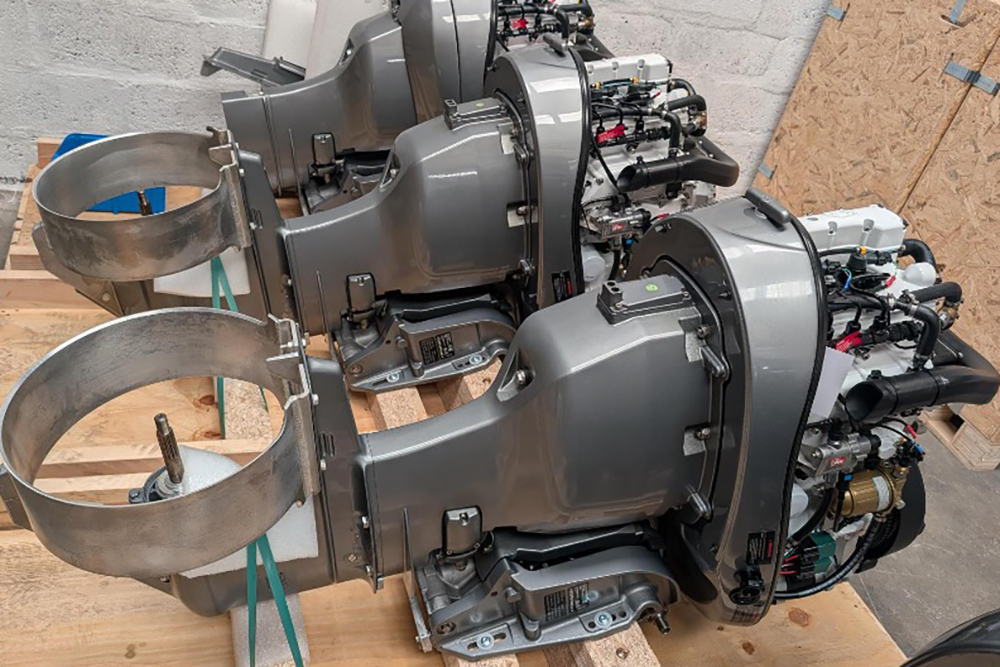
Neander Marine's Dtorque 50 diesel outboard has been approved for SOLAS rescue boats under MED 1.37, with the first engines…
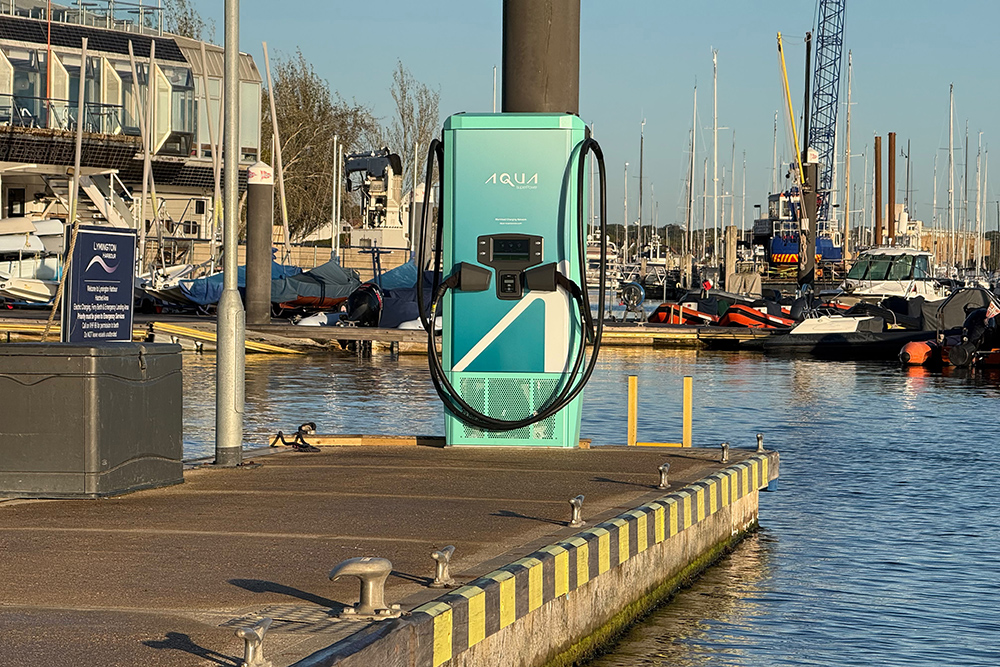
Lymington Harbour has installed a 75kW Aqua superPower fast charger for electric boats, adding Lymington to The Electric Seaway's south…

boot Düsseldorf returns from 23 to 31 January 2027 with approximately 1,500 exhibitors, a revised hall layout during Hall 9's…