
Electric outboards market overview and range developments
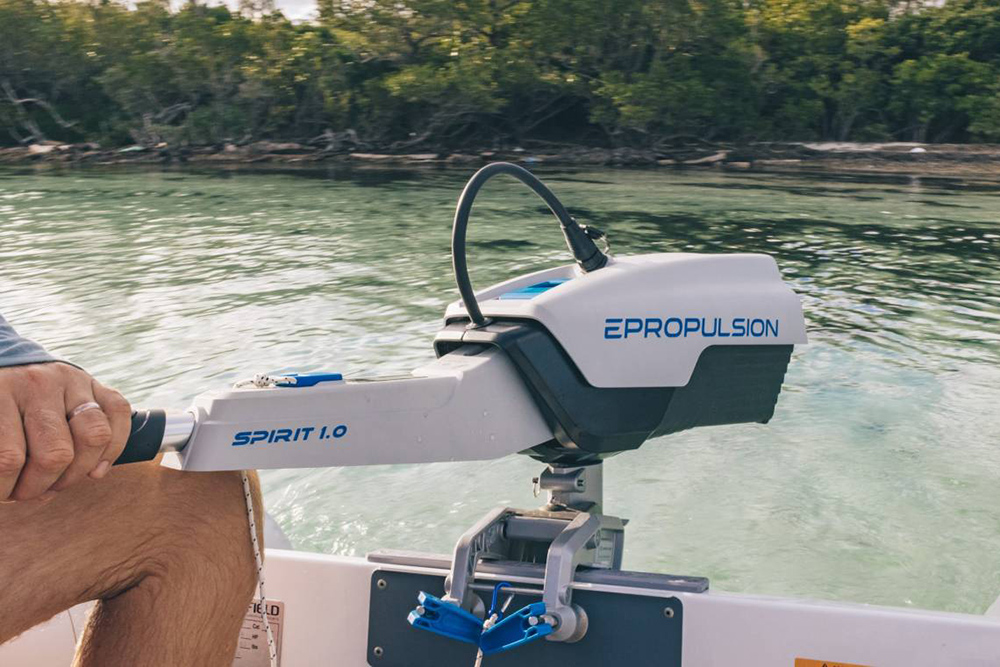
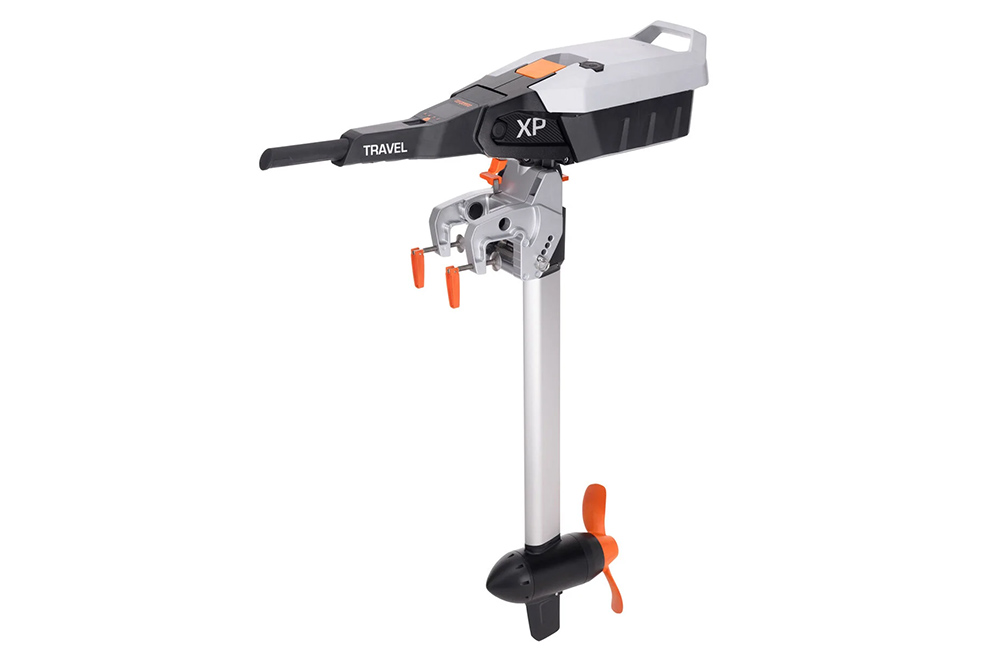
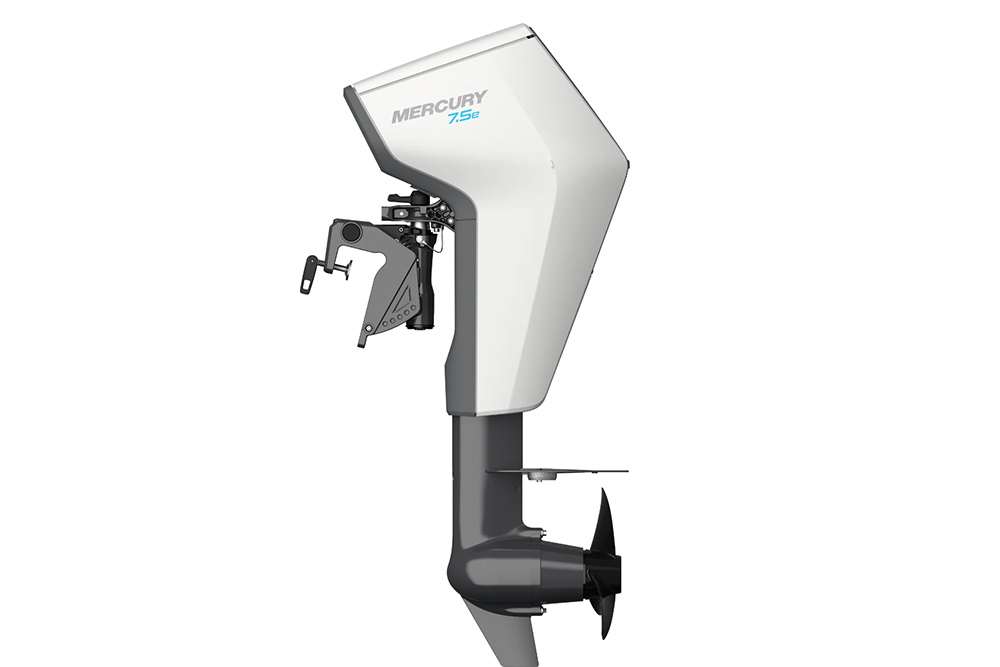
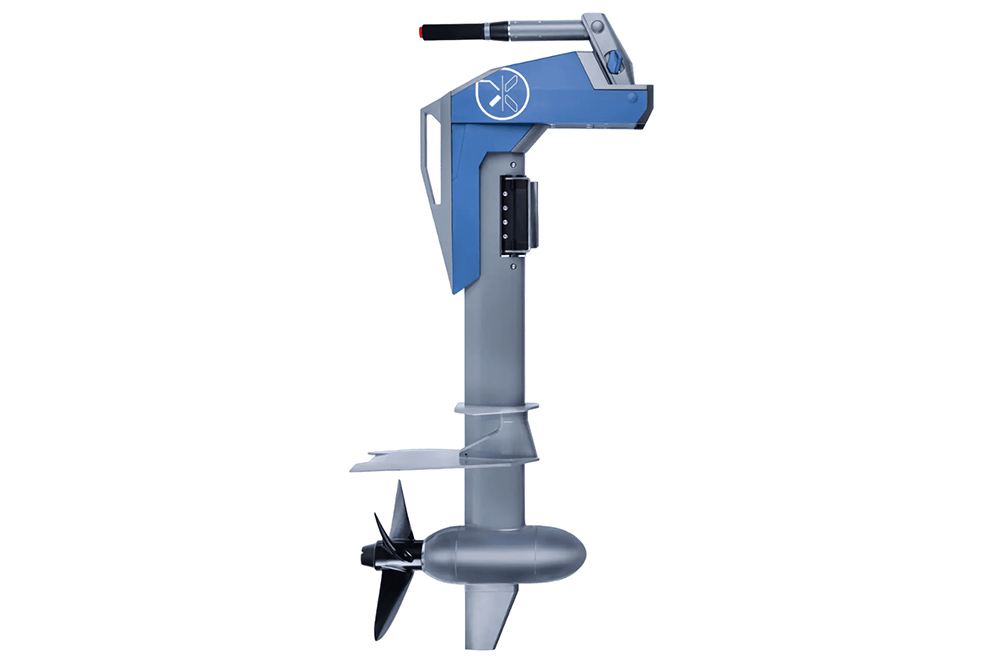
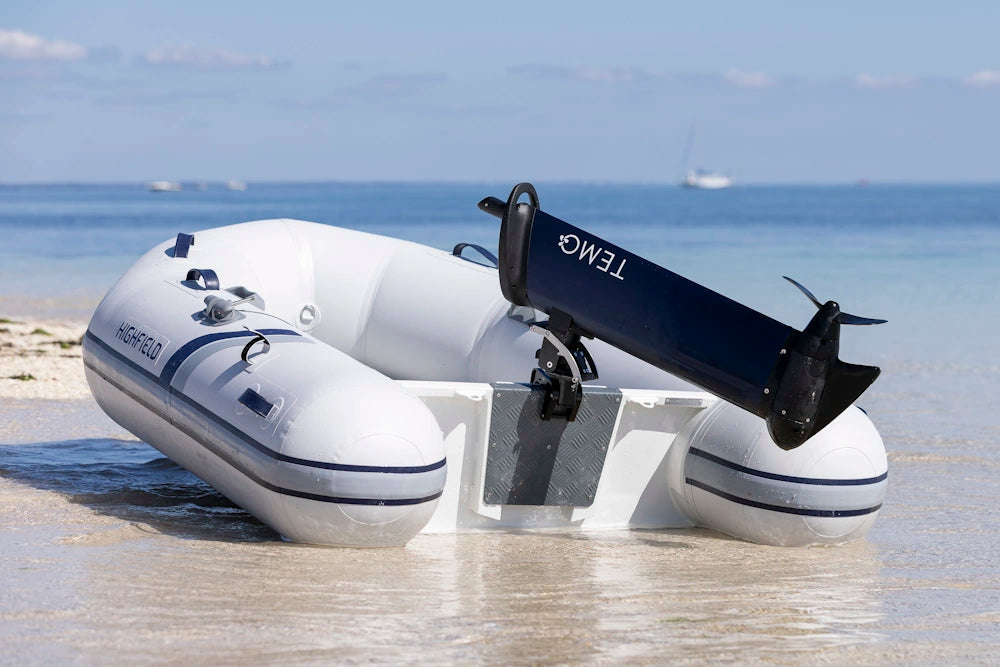
Electric outboards have been in practical use for over two decades. However, the last five years have proven pivotal, with major manufacturers including Torqeedo and Mercury rapidly expanding their electric outboard ranges. In 2026, boat owners have a range wide enough to power everything from a small tender to a main dayboat without the need for liquid fuel. In terms of the latter, the Evoy Storm 300+ remains the largest electric outboard on the market and has been utilised by several of the leading boat brands such as Goldfish and Axopar.
Whether large or small, electric outboards used to be characterised by very limited range delivered by unduly heavy battery packs. Now, however, while lithium-ion batteries still deliver less energy per kilogram than petrol, typical ranges at displacement speeds have increased from a few kilometres at most to nearly 10 km on the smallest units, and up to 40 km on larger outboards.
Responsiveness coupled with instant torque makes them easier to manoeuvre, and often more enjoyable to use. A small electric outboard’s smooth, instant feedback often feels more powerful than its nominal horsepower rating might suggest.
As for electric charging points, these are becoming more numerous across UK marinas and in many leisure hotspots across the European Continent, with firms such as Aqua superPower investing substantial sums in their respective charging networks. However, certainly in the case of the smaller electric outboards, these products won’t typically be charged in-situ/in a marina, but rather at home, to then be transported in the boot of a car, to and from the chosen location.
So, if you are in the market for a new boat, or considering re-powering an existing small craft or runabout, here are some options well worth considering: